Finding the optimal foot rest for standing desk sitting is more than a luxury; it’s a critical component of a truly ergonomic workspace. In 2025, the market has evolved beyond simple platforms to include active seating, integrated supports, and even heated solutions. Whether you’re perching, sitting, or standing, the right foot support can dramatically reduce fatigue and improve posture. This guide breaks down the top options to help you find the perfect match for your sit-stand routine, ensuring comfort and productivity throughout your day.
🚀 Quick Verdict / Top Pick
Stand Up Desk Store Sit to Stand Drafting Task Stool
It excels by perfectly bridging the gap between sitting and standing, offering a stable perching position and an integrated foot ring that encourages active engagement unlike any traditional chair or simple footrest.
2025 Comparison Chart
| Product | Ergonomic Function | Height Adjustability | Best For |
|---|---|---|---|
| Stand Up Desk Store Stool | Active Perching/Leaning | 22.5″ – 32″ | Hybrid Sit-Stand Users |
| SDADI Desk w/ Footrest | Active Standing Support | Desk: 35.8″ – 48.4″ | Dedicated Standers |
| Primy Drafting Chair | Full Seated Support | 25.2″ – 33.5″ | Long Seated Sessions |
| Heated Foot Rest | Seated Thermal Comfort | Fixed (approx. 5.5″) | Comfort & Cold Offices |
Detailed Product Reviews 2025
1. Stand Up Desk Store Sit to Stand Drafting Task Stool
Pros
- Excellent height range for perching
- Encourages active sitting and better posture
Cons
- Seat may be too firm for extended use
- No back support by design
The Lowdown: This stool is purpose-built for the modern standing desk user. It’s not a chair for all-day sitting, but a tool to support the transitionary ‘perch’ or ‘lean’ posture. The integrated foot ring is robust and perfectly positioned to relieve pressure when at higher settings.
Key Specs:
- Ergonomic Function: Active Perching/Leaning
- Height Adjustability: 22.5″ to 32″
- Footrest Type: Fixed Integrated Ring
- Mobility: Fixed Base (No Casters)
Sentiment Analysis: Users consistently report a noticeable improvement in core engagement and a reduction in lower back discomfort associated with static standing. The primary critique is the firmness of the seat, which some find uncomfortable for sessions longer than an hour. The consensus is that it excels as a companion to a standing desk, not a replacement for a traditional office chair.
Dealbreaker: Skip this if you need full-time back support or prefer a plush, cushioned seat for long, uninterrupted sitting periods.
2. SDADI Adjustable Height Standing Desk with Swinging Footrest
Pros
- All-in-one desk and footrest solution
- Swinging bar encourages movement and blood flow
Cons
- Requires replacing your entire desk
- Footrest is unusable when sitting
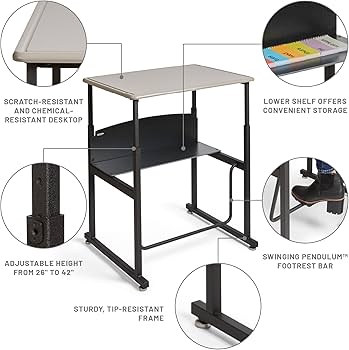
The Lowdown: This product rethinks the category by integrating the footrest directly into the desk frame itself. The SDADI desk features a swinging bar that allows you to shift weight and engage different muscle groups while standing. It’s a minimalist and effective solution for combating the fatigue of static standing.
Key Specs:
- Ergonomic Function: Active Standing Support
- Height Adjustability: Desk Surface: 35.8″ to 48.4″
- Footrest Type: Integrated Swinging Bar
- Mobility: Fixed Desk Frame
Sentiment Analysis: Owners appreciate the sturdy construction and the unique, fidget-friendly nature of the swinging footrest. Market research indicates it’s particularly popular in home offices where space is at a premium. The main drawback highlighted is that it’s a commitment to a single desk unit, and the footrest offers no benefit during seated periods.
Dealbreaker: Skip this if you already own a standing desk you like or if you need foot support while you are sitting down.
3. Primy Drafting Chair Tall Office Chair with Flip-up Arms
Pros
- Full back and lumbar support
- Flip-up arms add versatility and save space
Cons
- Less conducive to active sitting or perching
- Larger footprint than a simple stool
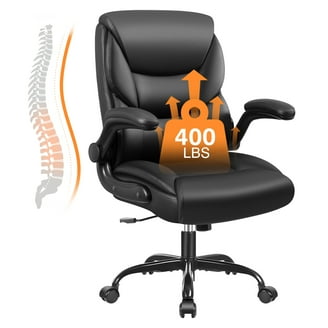
The Lowdown: The Primy Drafting Chair is a traditional office chair on stilts, designed for counter-height and standing desks. It provides all the familiar comforts—back support, armrests, and a stable foot ring—for those who need to sit comfortably for hours. The flip-up arms are a clever design choice, allowing the chair to slide closer to the desk when not in use.
Key Specs:
- Ergonomic Function: Full Seated Support
- Height Adjustability: Seat Height: 25.2″ to 33.5″
- Footrest Type: Height-Adjustable Integrated Ring
- Mobility: Smooth-Rolling Casters
Sentiment Analysis: The consensus is that this chair offers excellent value for its price, providing solid ergonomic features typically found in more expensive models. Users praise the comfortable mesh back and the convenience of the flip-up arms. Some report that the foot ring can slip over time and may require occasional readjustment.
Dealbreaker: Skip this if you’re looking for a minimalist solution or a tool that encourages frequent movement and posture changes.
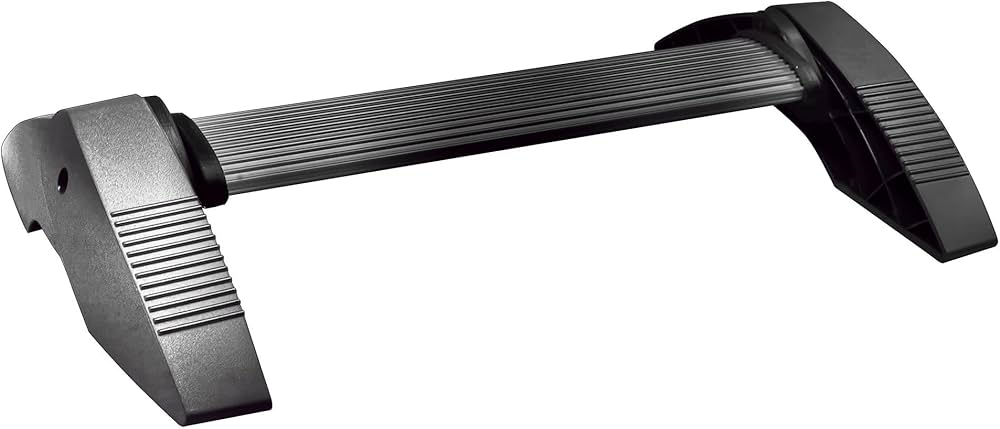
4. Heated Foot Rest Under Desk at Work, Ergonomic
Pros
- Provides warmth for improved circulation and comfort
- Ergonomic angle promotes good posture while seated
Cons
- Only useful when sitting
- Not height adjustable
The Lowdown: This product is a modern take on the classic under-desk footrest, adding the element of heat. It’s designed to solve two problems: poor foot posture and cold feet. With multiple heat settings and a textured surface, it provides a spa-like comfort that also serves a key ergonomic function for seated work.
Key Specs:
- Ergonomic Function: Seated Thermal Comfort & Elevation
- Height Adjustability: Fixed (approx. 5.5″ height with angle)
- Footrest Type: Heated Platform
- Mobility: Portable
Sentiment Analysis: Market research indicates this is a highly popular item for those in perpetually cold offices or with poor circulation. Users report that the gentle heat is a significant comfort feature that makes long sitting periods more tolerable. The primary criticism is its lack of height adjustment, which may not suit all body types or chair heights.
Dealbreaker: Skip this if you need any form of support while standing or require precise height adjustment for your footrest.
Buying Guide: How to Choose Your Foot Support
Choosing the right foot rest for standing desk sitting depends entirely on your work habits. Consider these factors:
1. Active vs. Passive Support: Do you want a tool that encourages movement, or one that provides static comfort? Active solutions like leaning stools (Product #1) or swinging bars (Product #2) are for those who want to combat a sedentary state. Passive solutions like traditional chairs (#3) or under-desk rests (#4) are for maximizing comfort during dedicated sitting periods.
2. Integrated vs. Standalone: An integrated solution, like a drafting chair or a purpose-built desk, offers a streamlined, all-in-one experience. A standalone product, like a perching stool or heated footrest, provides more flexibility to mix and match with your existing gear.
3. Primary Use Case: Be honest about how you spend your time. If you stand 80% of the day, a solution focused on standing support is key. If you sit for long meetings at your tall desk, a full-featured drafting chair is a non-negotiable.
Frequently Asked Questions
Q1: Do I really need a special foot rest for a standing desk?
A: Yes, especially for the ‘sitting’ portion. A standard chair is often too low, leaving your feet dangling. A proper drafting chair or stool with a foot ring provides a stable platform, preventing pressure on the back of your thighs and promoting better posture.
Q2: What’s the difference between a drafting chair and a leaning stool?
A: A drafting chair is a tall office chair with full back support, designed for prolonged, comfortable sitting. A leaning stool is typically backless and encourages ‘active sitting’ or perching, engaging your core and making it easier to switch between sitting and standing.
Q3: Can a heated foot rest help with circulation?
A: While not a medical device, market research indicates that users often report improved comfort and a reduction in the feeling of stiffness associated with cold feet. The gentle warmth can encourage blood flow and create a more comfortable seated experience, which indirectly supports better circulation than being tense and cold.
Read More on TechForDesk
- The Best Foot Rest for High Chair Drafting: Our 2026 Top Picks
- Stop the Strain: The 4 Best Left-Handed Vertical Mice for Small Hands in 2025
- Best Candlestick Lamps: A Curated Guide to Styles, Placement, and Transformations
- Top 3 Lamp Shades for Candlestick Lamps: A Curated Guide
- Top 3 Candlestick Floor Lamp: Buying Guide