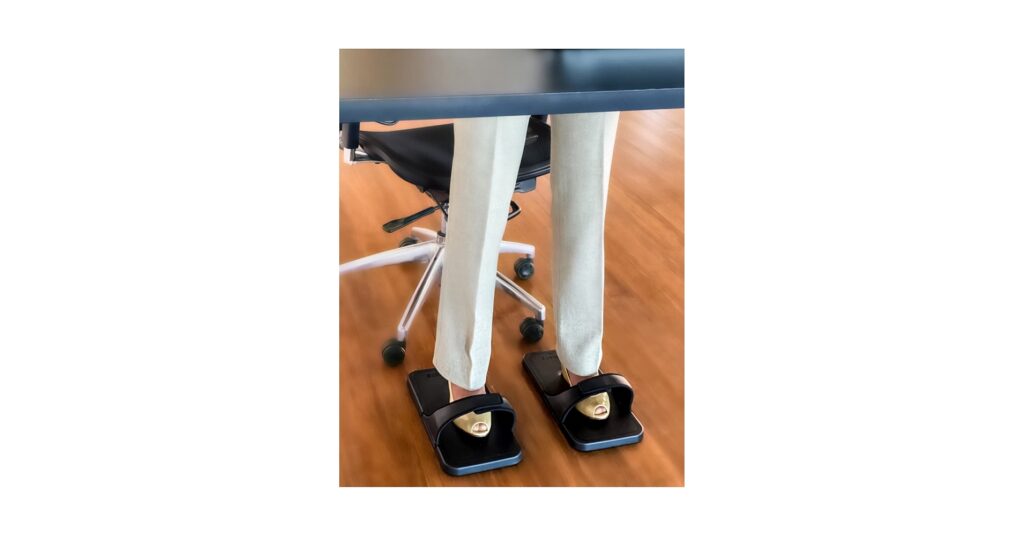
Using a standing desk is a commitment to better ergonomics, but the wrong foundation can ruin the experience. Many anti-fatigue mats are designed for bare feet or socks, quickly succumbing to punctures and scuffs from footwear. For the modern professional, finding a standing desk mat suitable for shoes is non-negotiable. It requires a specific blend of high-density, puncture-resistant material and supportive cushioning. In this 2026 guide, we analyze the market’s top contenders, focusing on the critical factors that ensure both longevity and all-day comfort for the shod professional.
🚀 Quick Verdict / Top Pick
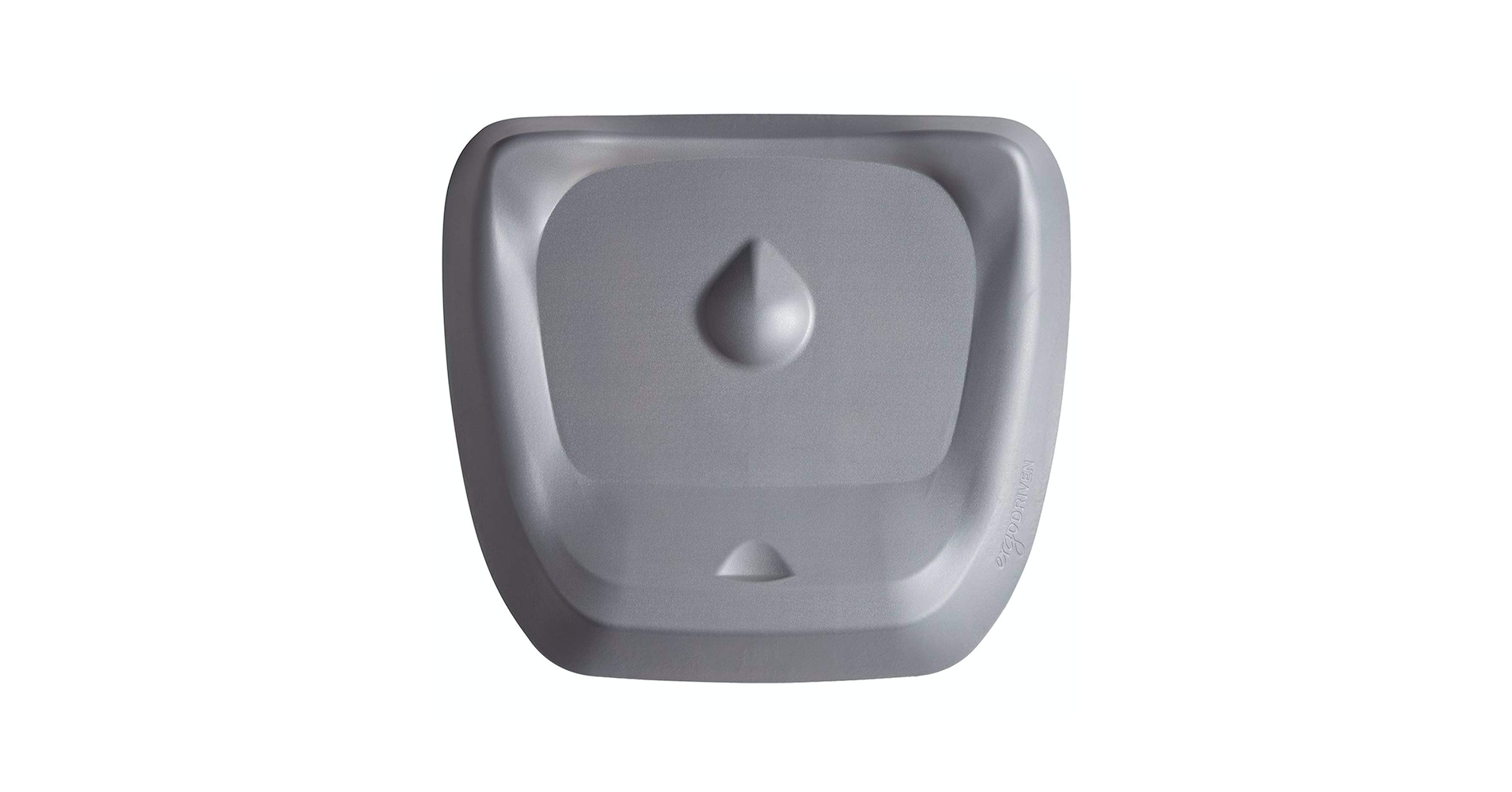
Topo Comfort Standing Desk Mat by Ergodriven
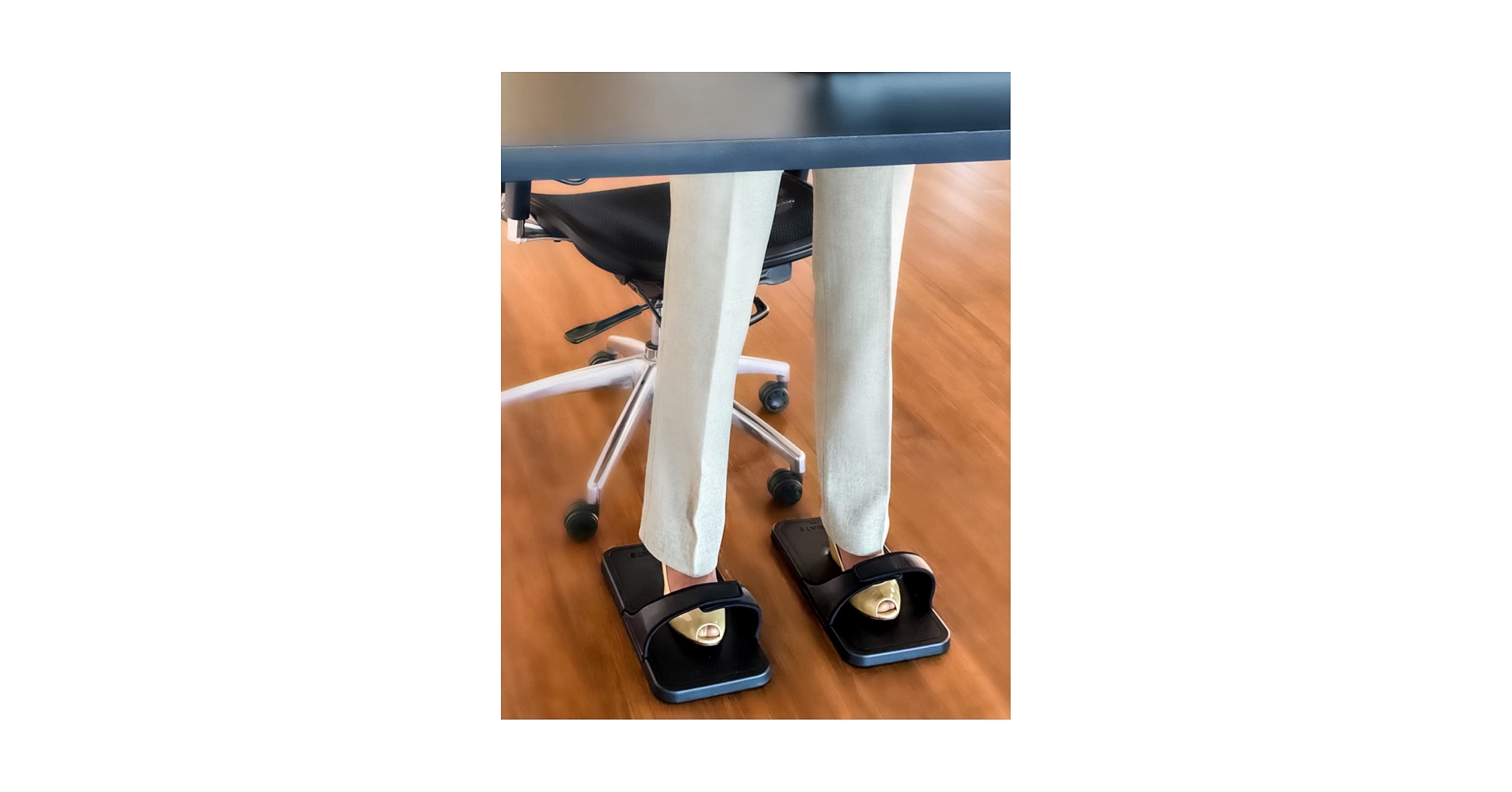
The Topo’s patented contoured topography encourages subconscious movement, making it the superior choice for active standers and easily justifying its premium over standard flat mats.
Comparison Table
| Product | Surface Durability | Thickness | Surface Topography |
|---|---|---|---|
| Topo Comfort Mat | High (100% Polyurethane) | Variable (Max 2.7″) | Contoured/Dynamic |
| FEATOL Anti Fatigue Mat | High (Puncture-Resistant) | 9/10″ (Extra Thick) | Flat |
| ComfiLife Anti Fatigue Mat | Standard (High-Density Foam) | 3/4″ | Flat |
| PedMats (Pair) | High (Industrial Grade) | 3/4″ | Flat (Dual Mat) |
Detailed Product Reviews 2026
1. Topo Comfort Standing Desk Mat by Ergodriven
Pros
- Patented terrain encourages movement
- Extremely durable 100% polyurethane construction
Cons
- Premium price point
- The varied terrain is not ideal for all tasks
The Breakdown: The Topo mat isn’t just a cushion; it’s an active standing tool. Its calculated contours, peaks, and valleys prompt you to shift your weight and change your foot position without conscious thought. This dynamic surface is what sets it apart from a sea of flat competitors, actively fighting fatigue rather than just passively cushioning your feet.
Key Specs:
- Material: 100% High-Density Polyurethane
- Dimensions: 29″ x 26.25″ x 2.7″
- Surface Topography: Contoured/Dynamic
- Weight: 8 lbs
The Community Verdict: User consensus is overwhelmingly positive, with many reporting a noticeable reduction in stiffness and foot pain compared to flat mats. The high-quality material is frequently cited as being highly resistant to wear from office chairs and shoes. The primary critique revolves around its price, but most owners feel the ergonomic benefits justify the investment.
Dealbreaker: Skip this if you require a perfectly flat, stable surface for precision work or prefer a completely static standing position.
2. FEATOL Anti Fatigue Mat for Standing
Pros
- Extra thick 9/10″ foam provides excellent support
- Durable, easy-to-clean surface
Cons
- Can be too soft for some users
- Standard rectangular design lacks engagement
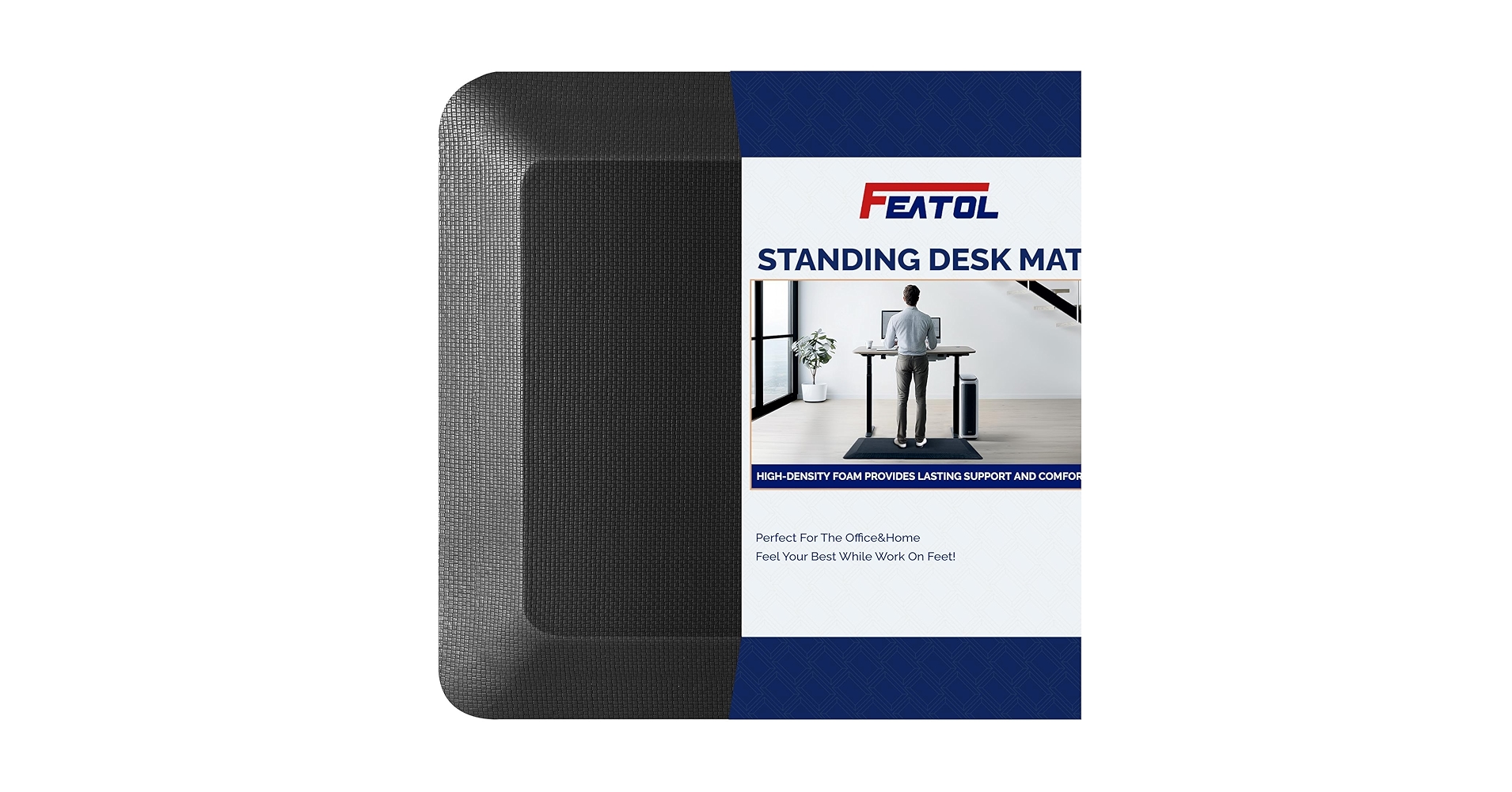
The Breakdown: The FEATOL mat’s primary value proposition is its thickness. At 0.9 inches, it provides a level of cushioning that significantly exceeds the industry standard. Market research indicates its durable top layer holds up well against the daily wear of dress shoes and sneakers, making it a reliable workhorse for pure comfort.
Key Specs:
- Material: High-Density PU Foam
- Dimensions: 39″ x 20″ x 0.9″
- Surface Topography: Flat
- Thickness: 9/10 Inch
The Community Verdict: Owners consistently praise the mat’s immediate sense of relief and plush comfort, especially during long standing sessions. The durability is reported to be solid for its price point. Some users, particularly heavier individuals, mention that the foam can feel overly soft, leading to a slight feeling of instability.
Dealbreaker: Skip this if you prefer a firmer standing surface or are prone to balance issues, as the extra cushioning can be too forgiving.
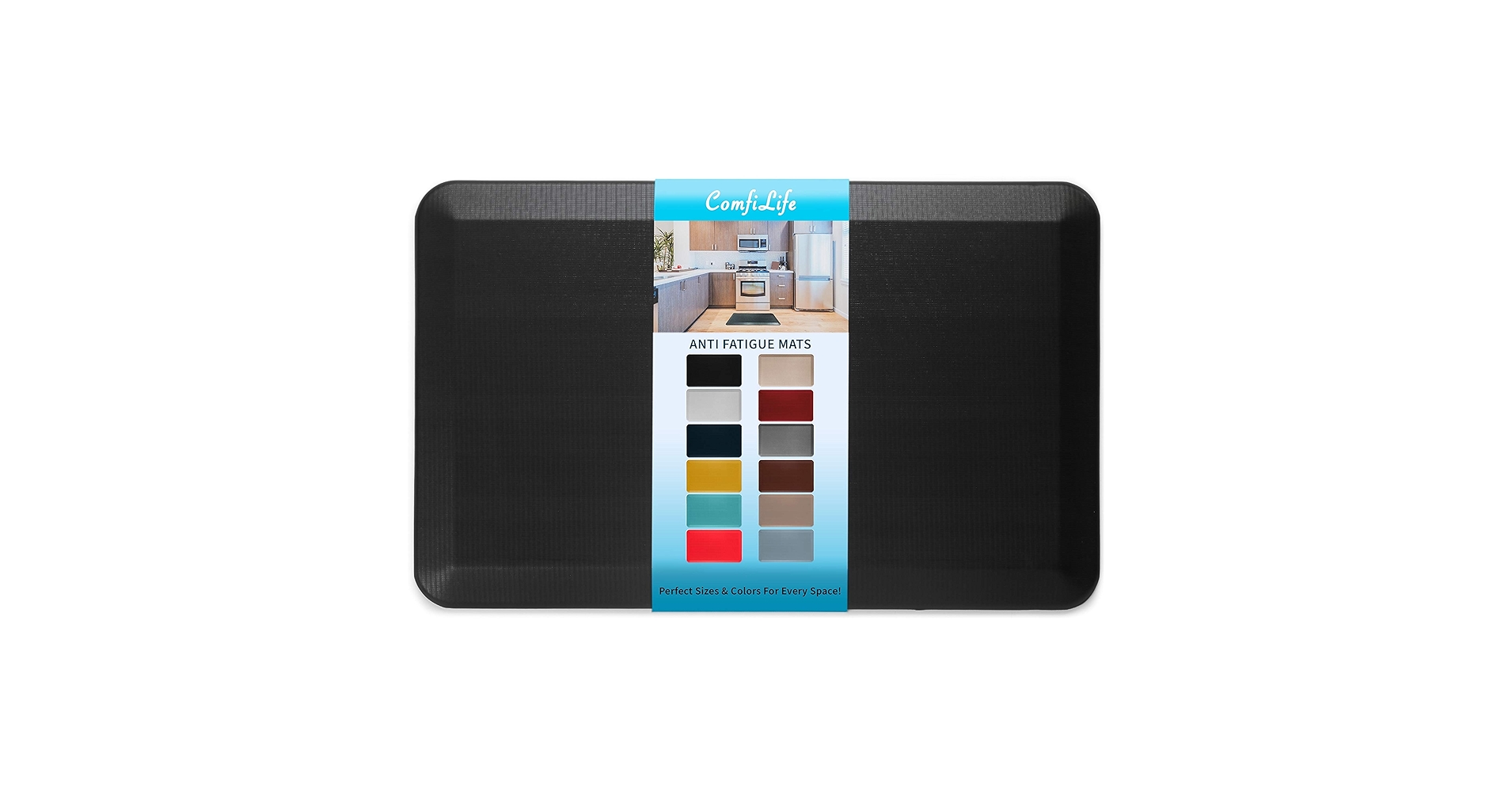
3. ComfiLife Anti Fatigue Floor Mat
Pros
- Excellent value for the performance
- Industry-standard 3/4″ thickness
Cons
- Surface may show scuffs over time
- Can be too firm for users seeking plush comfort
The Breakdown: The ComfiLife mat is the benchmark for a standard standing desk mat. It doesn’t innovate, but it executes the fundamentals flawlessly. Its 3/4-inch high-density foam provides a well-balanced blend of support and give, while the beveled edges reduce tripping hazards.
Key Specs:
- Material: High-Density Foam
- Dimensions: 39″ x 20″ x 0.75″
- Surface Topography: Flat
- Thickness: 3/4 Inch
The Community Verdict: The consensus is that this mat offers fantastic performance for its price. Users report it provides significant relief from foot and leg fatigue. Some long-term reviews mention that the surface, while durable, can begin to show cosmetic wear from hard-soled shoes faster than premium polyurethane models.
Dealbreaker: Skip this if you stand for more than 6-8 hours a day and require maximum-possible cushioning or advanced ergonomic features.
4. PedMats-Individualized, Portable Pair of Mats
Pros
- Unique two-piece design allows for variable stances
- Highly portable and easy to store
Cons
- Requires conscious placement for each use
- Can slide on some floor surfaces
The Breakdown: PedMats reject the one-size-fits-all approach of traditional mats. By splitting the mat into two independent pods, they offer unparalleled flexibility in stance width and positioning. This design is also exceptionally practical for minimalist desks or shared workspaces where a large mat would be cumbersome.
Key Specs:
- Material: Industrial Grade Foam/Rubber Composite
- Dimensions (each): 17″ x 13.5″ x 0.75″
- Surface Topography: Flat (Dual Mat)
- Features: Built-in carrying handle
The Community Verdict: Users love the freedom and portability this design provides. The ability to kick them aside easily or adjust for a wide or narrow stance is a frequently mentioned benefit. The main criticism is that they can sometimes shift on slick hardwood or tile floors, requiring occasional readjustment.
Dealbreaker: Skip this if you want a single, large, set-it-and-forget-it standing surface.
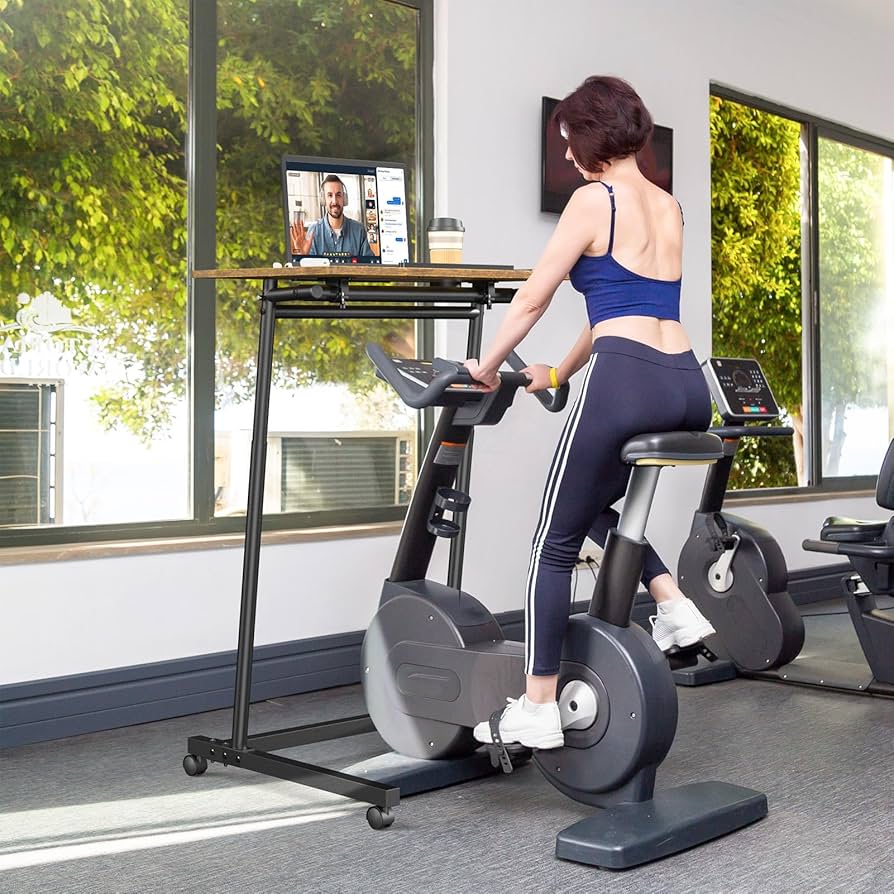
5. Eocnrhe Treadmill Desk, Mobile Small Standing Desk
Pros
- Enables productive work while walking
- Mobile and adjustable design
Cons
- Not a standing desk mat
- Limited workspace area
The Breakdown: This product is an outlier in our list, as it’s not a mat but a desk platform designed to fit over a treadmill. It addresses a similar goal—reducing sedentary time—but through active movement rather than cushioned standing. It’s a specialized tool for creating a functional walking workstation.
Key Specs:
- Product Type: Mobile Treadmill Desk Attachment
- Material: Wood Desktop, Metal Frame
- Dimensions: 31.5″ x 20.5″ (Desktop)
- Compatibility: Fits most standard treadmills
The Community Verdict: Users who own walking pads find this to be a simple and effective solution for multitasking. The build quality is generally considered adequate for holding a laptop and mouse. Critiques focus on the limited surface area and the stability, which is highly dependent on the treadmill it’s paired with.
Dealbreaker: Skip this if you are looking for an anti-fatigue mat to use with a standard standing desk.
Buying Guide: How to Choose a Mat for Shoes
Selecting the right standing desk mat when you’ll be wearing shoes involves more than just picking the softest option. Here are the key factors to consider:
1. Surface Durability & Material: This is the most critical factor. Look for mats made from 100% polyurethane (PU) or high-density, commercial-grade foam. These materials resist punctures, scuffs, and degradation from the soles of shoes. Avoid cheap, low-density foam mats that are meant for kitchens, as they will quickly tear.
2. Thickness and Firmness: While a thicker mat often means more cushion, it’s not the only variable. A 3/4″ mat is the industry standard and offers a great balance of support and stability. If you suffer from significant joint or back pain, a thicker option might be beneficial, and our guide on choosing an extra thick anti fatigue mat for back pain can provide more detailed insights.
3. Surface Topography: Do you want a flat surface or a dynamic one? Flat mats are simple and effective for static standing. Contoured mats like the Topo are designed to engage your muscles and encourage movement, which can further reduce fatigue. This choice comes down to personal preference and how actively you want to engage while standing.
Optimizing your entire ergonomic setup is key to long-term comfort. Once you have your standing situation sorted, consider adding a lumbar support pillow for office chair to ensure you’re properly supported during sitting periods as well.
Frequently Asked Questions
Q1: Can you wear heels on a standing desk mat?
A: It is generally not recommended. While a high-quality polyurethane mat might resist punctures from wider heels, stiletto or pointed heels can still cause permanent damage. It’s safer for both the mat and for your posture to stick to flat-soled shoes.
Q2: How thick should a standing desk mat be?
A: For most users, 3/4 inch (0.75″) is the ideal thickness. It provides ample cushioning without being so soft that it causes instability. Users with specific pain issues or those who stand for extended periods (8+ hours) may benefit from slightly thicker mats, up to 9/10 inch.
Q3: How do I clean a standing desk mat that I use with shoes?
A: Most durable mats can be cleaned easily. Simply wipe the surface with a damp cloth and a mild soap or detergent solution. Avoid harsh chemical cleaners or abrasive sponges, as they can damage the mat’s surface. Allow it to air dry completely before use.