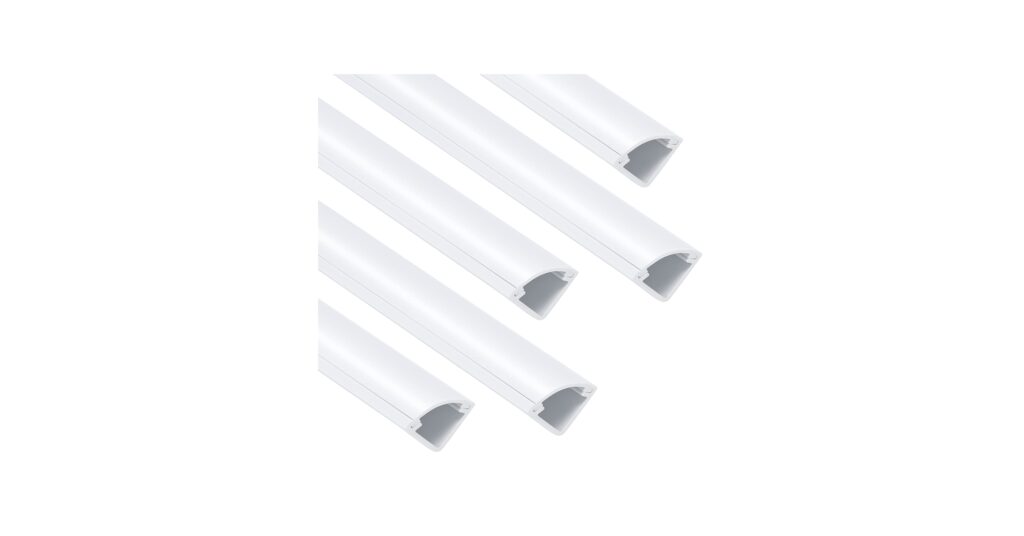
A clean desk is a productive desk, but rogue cables can ruin even the most minimalist setup. The solution is often found running along the wall, which is where a high-quality baseboard cord cover becomes essential. These simple channels are the key to hiding unsightly wires, protecting them from damage, and creating a safe, trip-free environment. After extensive market research, we’ve identified the top options that blend seamless organization with easy installation.
🚀 Quick Verdict / Top Pick
Corner Cable Hider, 125.6in Cable Concealer
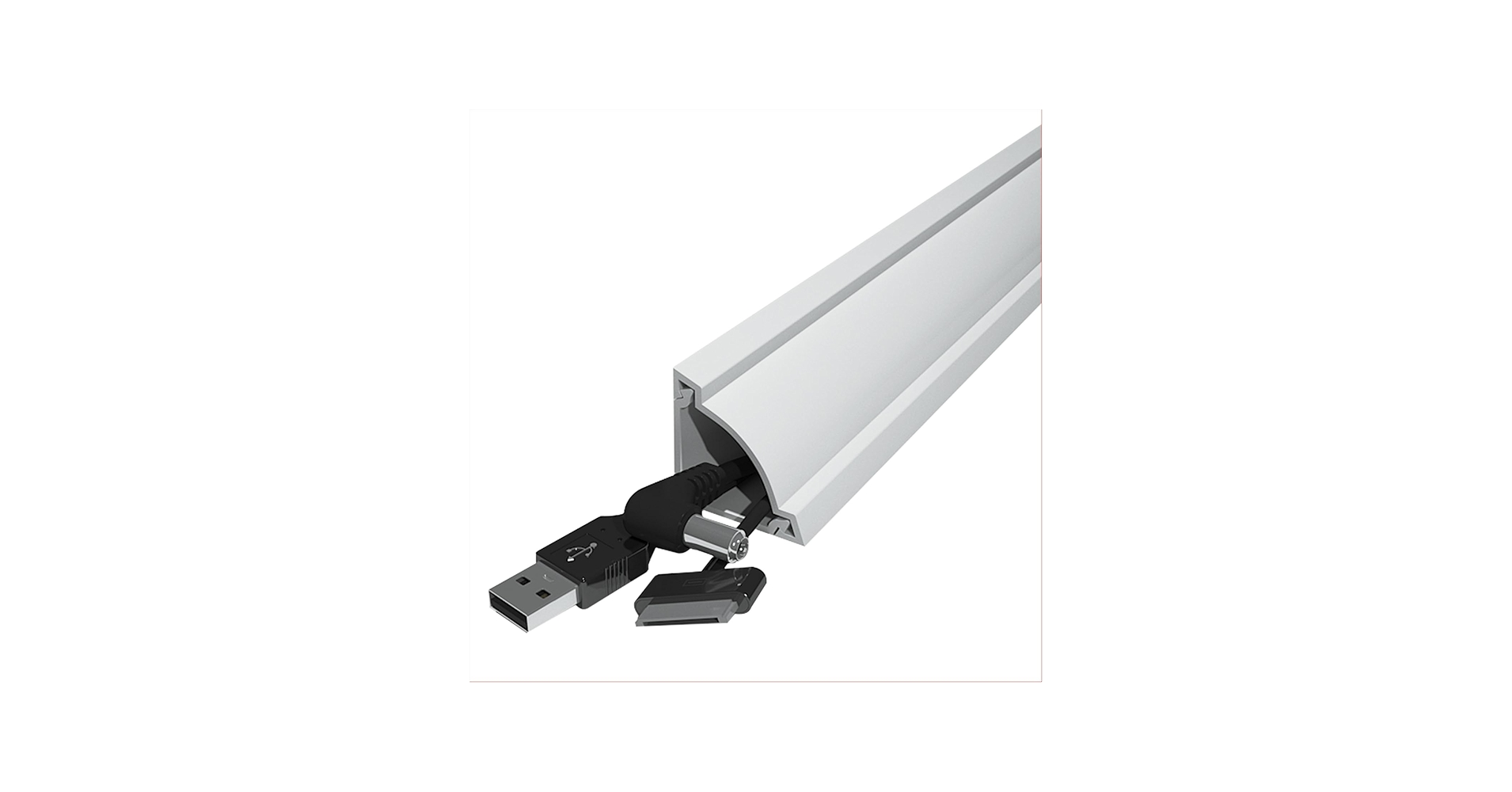
This kit wins our top spot for its sheer versatility, offering a generous length and the choice between strong adhesive tape or a more permanent screw-in installation.
The Best Baseboard Cord Covers Compared
| Product | Total Length | Cable Capacity | Best For |
|---|---|---|---|
| Corner Cable Hider, 125.6in | 125.6 inches | Medium (Multiple Cords) | Maximum Versatility |
| D-Line Cord Cover Kit | 30 feet (360 inches) | Medium | Long Runs & Full Rooms |
| ZhiYo 136in Corner Concealer | 136 inches | Large (Multiple Cords) | High Capacity Corners |
| ZhiYo 85in Corner Concealer | 85 inches | Small (1-2 Cords) | Single Cord Drops |
| Corner Cable Hider, 78in | 78 inches | Small (1-2 Cords) | Budget Corner Tidying |
Detailed Product Reviews
Corner Cable Hider, 125.6in Cable Concealer
Pros
- Dual installation options (tape or screws)
- Generous 125.6-inch total length
- Includes wall anchors for a secure fit
- Paintable to match wall color
Cons
- Adhesive tape not suitable for textured walls
- Screw installation requires tools and drilling
The Breakdown: This kit is designed to solve the common cord mess problem with maximum flexibility. It’s ideal for hiding power cords for a wall-mounted TV or routing speaker wires along the baseboard. The ability to choose between a simple tape application or a more permanent screw-in method makes it suitable for both renters and homeowners.
Key Specs:
- Total Length: 125.6 inches (8 sections of 15.7 inches)
- Cable Capacity: Capable of hiding multiple cables, including power cords, HDMI, and ethernet cables.
- Installation: Double-sided mounting tape and an optional wall anchor screw kit are included.
The Community Verdict: User feedback frequently highlights the dual installation options as a major benefit, providing peace of mind that the raceway will stay put. Many find the PVC material easy to cut to a custom length and appreciate that it can be painted to blend in seamlessly with their decor. The consensus is that it’s a comprehensive kit for a clean and professional-looking finish.
Dealbreaker: If you have highly textured walls and are unwilling or unable to drill holes for the screw mounts, the adhesive backing alone may not provide a secure, long-term hold.
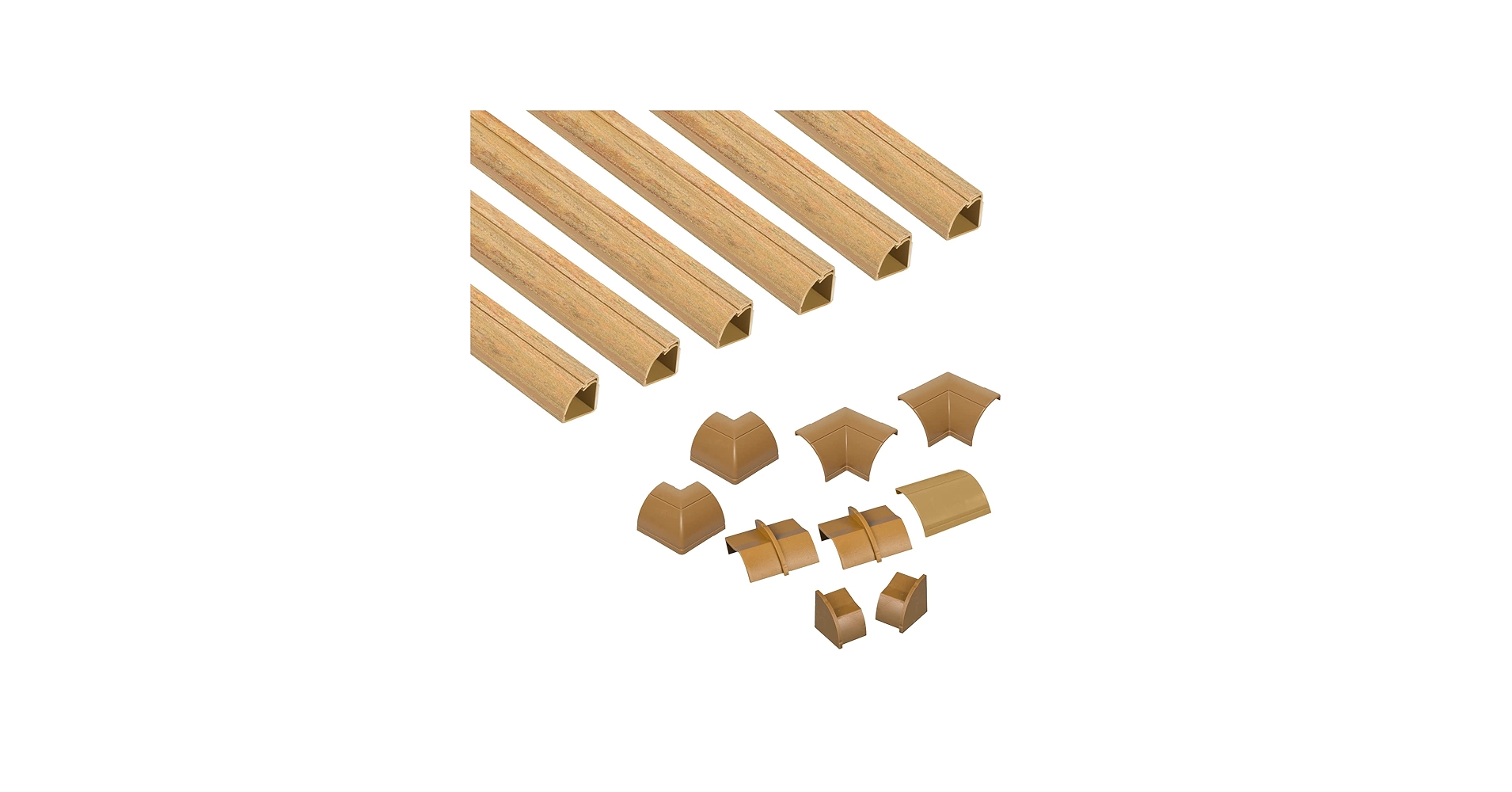
D-Line Cord Cover Kit, 30FT Self-Adhesive Wire Hider
Pros
- Massive 30-foot total length
- Simple self-adhesive backing for easy installation
- Versatile half-round profile fits neatly on baseboards
Cons
- Adhesive may not be strong enough for all surfaces long-term
- Only includes raceway channels, no corner pieces in kit
The Breakdown: The D-Line kit is the go-to choice for large-scale projects. With 30 feet of coverage, it eliminates the need to buy multiple smaller kits. Its simple peel-and-stick application and unobtrusive design make it a popular choice for quickly hiding wires on walls and baseboards without much fuss.
Key Specs:
- Total Length: 30 feet (360 inches)
- Cable Capacity: Medium, suitable for several common cables like ethernet or speaker wire.
- Installation: Self-adhesive tape backing.
The Community Verdict: Market research indicates users love the sheer value and length provided in this kit, often citing its effectiveness for home theater setups. Some online discussions suggest that for heavier cables or less-than-ideal wall surfaces, supplementing the adhesive with additional double-sided tape or clips might be necessary for long-term stability. Overall, it’s praised for being a straightforward, high-value solution.
Dealbreaker: This kit is for straight runs only. If your project involves navigating multiple corners, you will need to purchase separate corner accessories or be proficient with a miter saw to get clean angles.
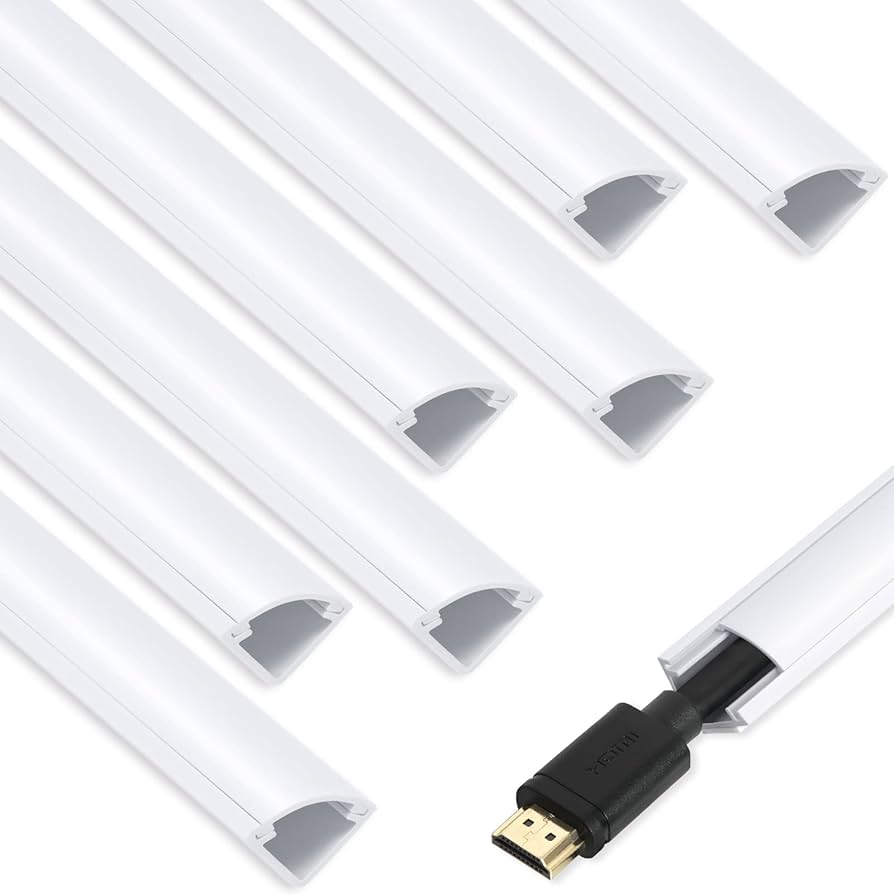
ZhiYo 136in Corner Cable Concealer, Corner Cord
Pros
- Excellent 136-inch length
- “Large” designation suggests higher capacity
- Specifically designed for a snug corner fit
- Paintable and cuttable
Cons
- Corner-only design is less versatile
- Relies on adhesive for installation
The Breakdown: This ZhiYo model is a step up in both length and capacity from its smaller sibling. It is purpose-built for tackling messy corners where multiple cables converge. The generous length is perfect for running wires from the floor all the way up to a high-mounted screen or device, providing a single, seamless channel.
Key Specs:
- Total Length: 136 inches
- Cable Capacity: Large; designed to hold more or thicker cables than standard single-cord concealers.
- Installation: Adhesive tape backing.
The Community Verdict: This product is often praised in reviews for its generous size and length, making it a one-kit solution for long vertical runs. Users find it fits snugly into corners and effectively hides a surprising number of cables. The ability to paint it is a frequently mentioned plus, allowing it to disappear against the wall.
Dealbreaker: Its specialized corner shape means it’s not suitable for running along the flat part of a baseboard. It’s a corner solution, through and through.
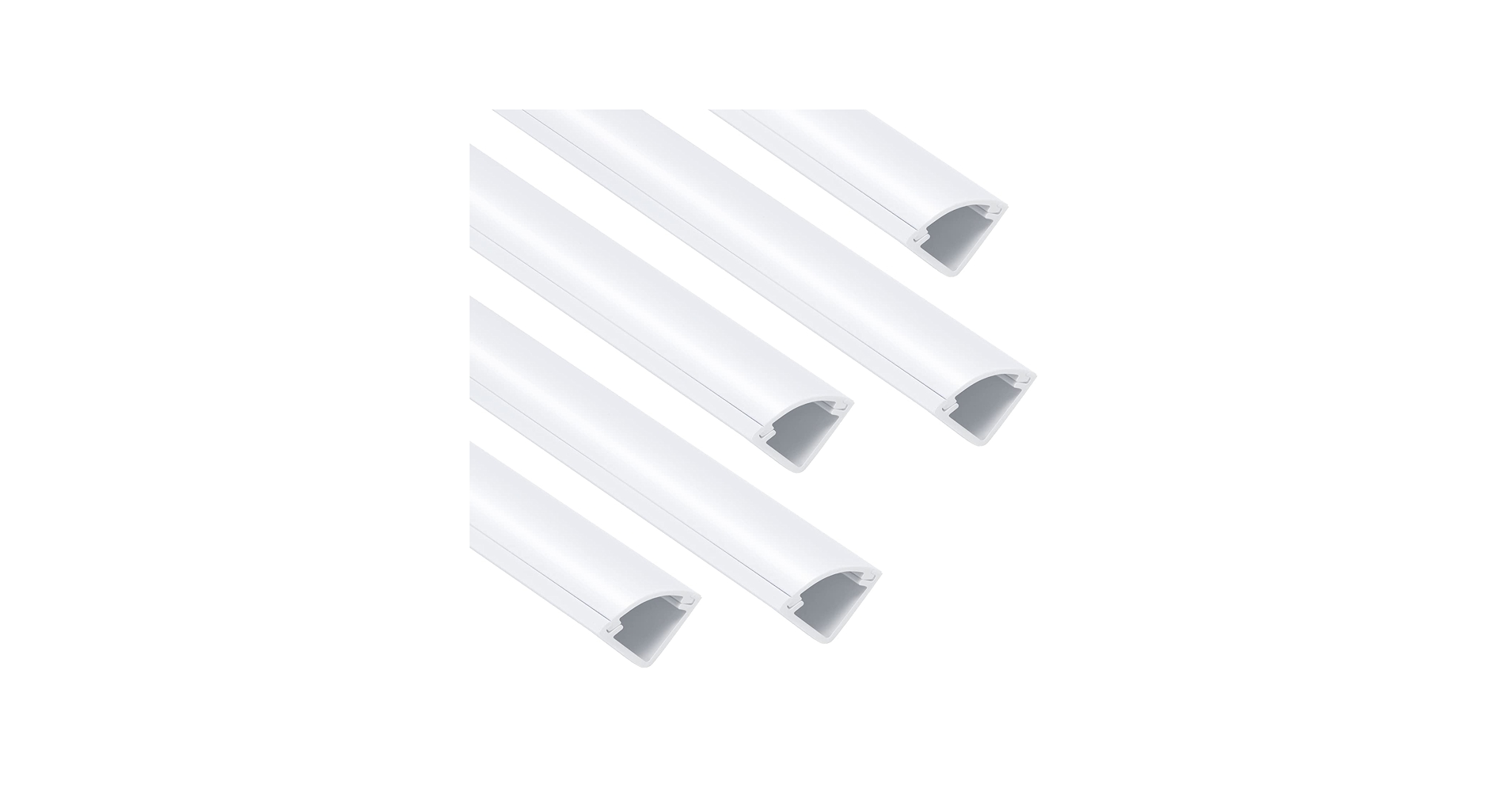
ZhiYo 85in Corner Cable Concealer, Corner Cord
Pros
- Slim and discreet profile
- Pre-applied adhesive for fast installation
- Paintable to match decor
Cons
- Very limited capacity (1-2 small cords)
- Adhesive not for textured walls
The Breakdown: This is the ideal solution for the smallest of cable messes. If you have just one distracting wire—perhaps for a smart home sensor, a small speaker, or a lamp—this slim corner duct will make it disappear. The five 17-inch sections provide enough length for most common vertical runs from a baseboard outlet.
Key Specs:
- Total Length: 85 inches (5 sections of 17 inches)
- Cable Capacity: Small; holds one thick cable (like HDMI) or two very thin cables (like USB).
- Installation: Pre-applied strong adhesive tape.
The Community Verdict: Reviews consistently praise this product for being ‘perfect to hide cords’ in situations where only one or two are visible. Users appreciate how the sections fit together seamlessly without needing connectors, creating a clean line. The primary caveat mentioned is the adhesive’s incompatibility with textured walls, a common limitation for this type of product.
Dealbreaker: Do not buy this if you need to hide a thick power strip cord or a bundle of multiple A/V cables. Its capacity is strictly for one, maybe two, small cords.
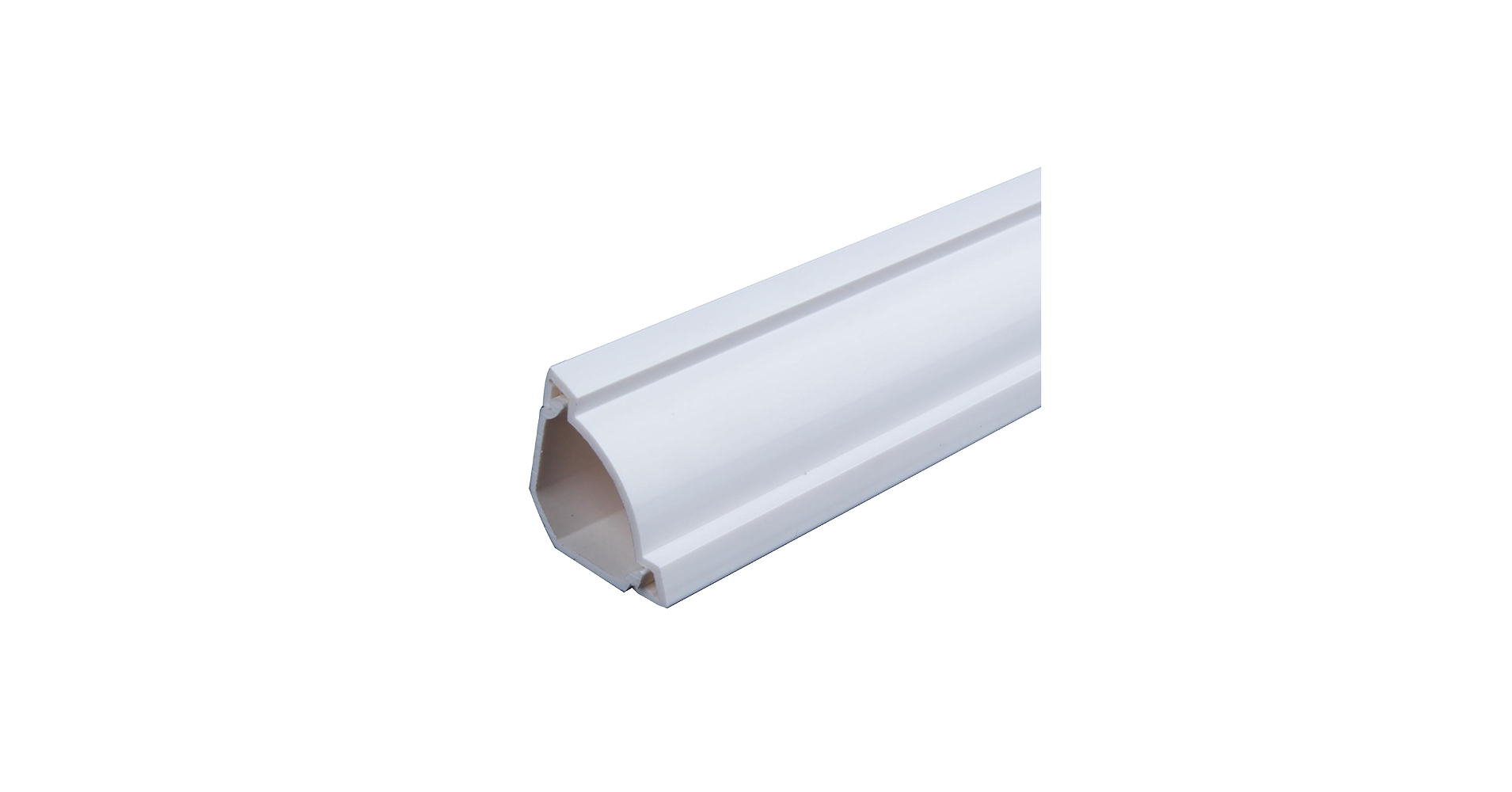
Corner Cable Hider, 78in Corner Cable Concealer
Pros
- Affordable price point
- Simple design for basic needs
- Paintable surface
Cons
- Shortest total length on our list
- Limited capacity for only small cords
The Breakdown: This is a standard, entry-level corner raceway for basic cable concealment. At 78 inches, it provides just enough coverage to run a wire from a standard outlet up to desk height. It’s a straightforward product for a straightforward problem without any extra features.
Key Specs:
- Total Length: 78 inches
- Cable Capacity: Small; best for one or two thin cables.
- Installation: Assumed adhesive tape backing.
The Community Verdict: While specific reviews are sparse, products in this category are generally seen as adequate for light-duty tasks. Users on forums like Reddit often discuss using similar basic cable raceways for managing desk setup wires, noting they get the job done for simple runs. The key is managing expectations regarding adhesive strength and capacity.
Dealbreaker: The 78-inch length may be insufficient for taller walls or for reaching ceiling-mounted devices, potentially requiring the purchase of a second kit.
Buying Guide: How to Choose the Best Baseboard Cord Cover
Finding the right baseboard cord cover is about more than just hiding wires; it’s about choosing a clean, safe, and durable solution. Proper baseboard wire management can transform a chaotic space into a streamlined, professional one. Here are the key factors to consider before buying.
Length and Capacity
First, measure the distance you need to cover. Always buy a kit with slightly more length than you think you need. Second, consider capacity. Are you hiding a single thin speaker wire, or a bundle of thick HDMI and power cords? A slim, single-channel baseboard cord hider is great for the former, but you’ll need a larger raceway for the latter. Tucking too many cables into a small channel can damage the wires and cause the cover to pop off the wall.
Installation Method
Most baseboard concealers use a strong, self-adhesive tape for a quick, drill-free installation. This is perfect for smooth walls and for renters who want to avoid damage. However, for textured walls, heavier cable bundles, or a truly permanent solution, look for kits that also include screws and wall anchors. While you’re organizing your cables, consider other tools like an electric cord holder to manage slack behind your desk.
Material and Aesthetics
Nearly all modern cable raceways are made from a durable PVC that is both cuttable and paintable. This customization is key to making the cord cover blend invisibly into your room. You can easily paint it to match your wall or baseboard color. For wires running across the floor, you might need a dedicated floor cable cover protector for office spaces to prevent trip hazards.
Frequently Asked Questions
Q: Can you paint a baseboard cord cover?
A: Yes, almost all PVC cord covers and raceways are designed to be paintable. For best results, lightly sand the surface with fine-grit sandpaper, wipe it clean, and then apply a coat of primer before using your wall paint. This ensures the paint adheres properly and doesn’t chip.
Q: How do you remove an adhesive cord cover without damaging the wall?
A: To remove an adhesive-backed cover, gently heat the raceway with a hairdryer on a low setting. This will soften the adhesive. Then, use a putty knife or a piece of dental floss to slowly work your way behind the cover, gently prying it away from the wall. Any remaining residue can typically be removed with an adhesive remover like Goo Gone.
Q: Do I need special tools to cut a cable raceway?
A: No, you don’t need power tools. A simple fine-toothed hacksaw is the most common and effective tool for cutting PVC cable raceways to the exact length you need. For the cleanest cut, you can use a miter box to ensure a perfectly straight or angled cut.