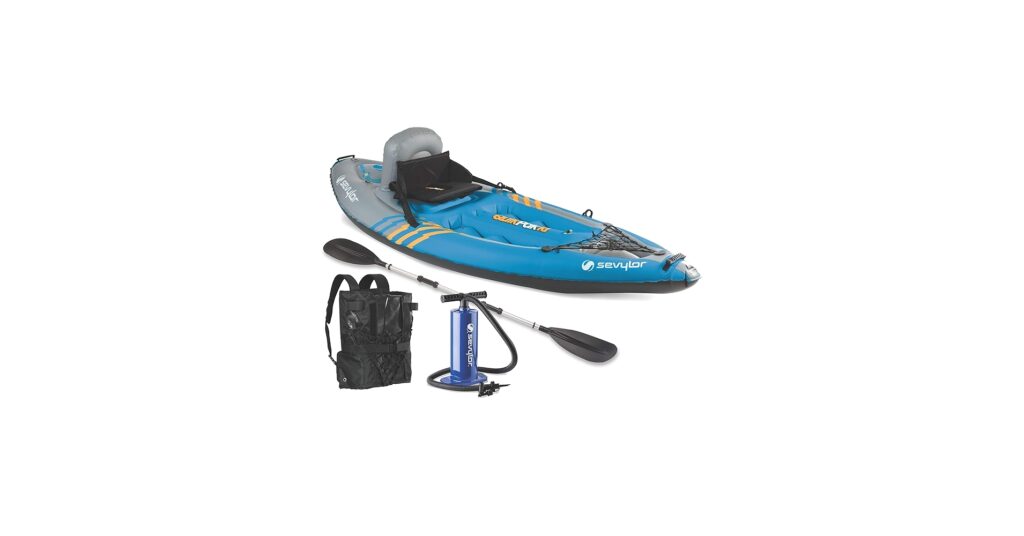
Finding the right backpack for kayak adventures is about more than just carrying your gear—it’s about streamlining your entire process, from your car to the water and back. The market offers everything from backpacks that magically transform into kayaks, to rugged dry bags that protect your essentials from the elements. This guide cuts through the noise to help you find the perfect organizational tool for your specific paddling style, focusing on durability, function, and minimalist design.
🚀 Quick Verdict / Top Pick
Sevylor QuickPak K1 1-Person Inflatable Kayak
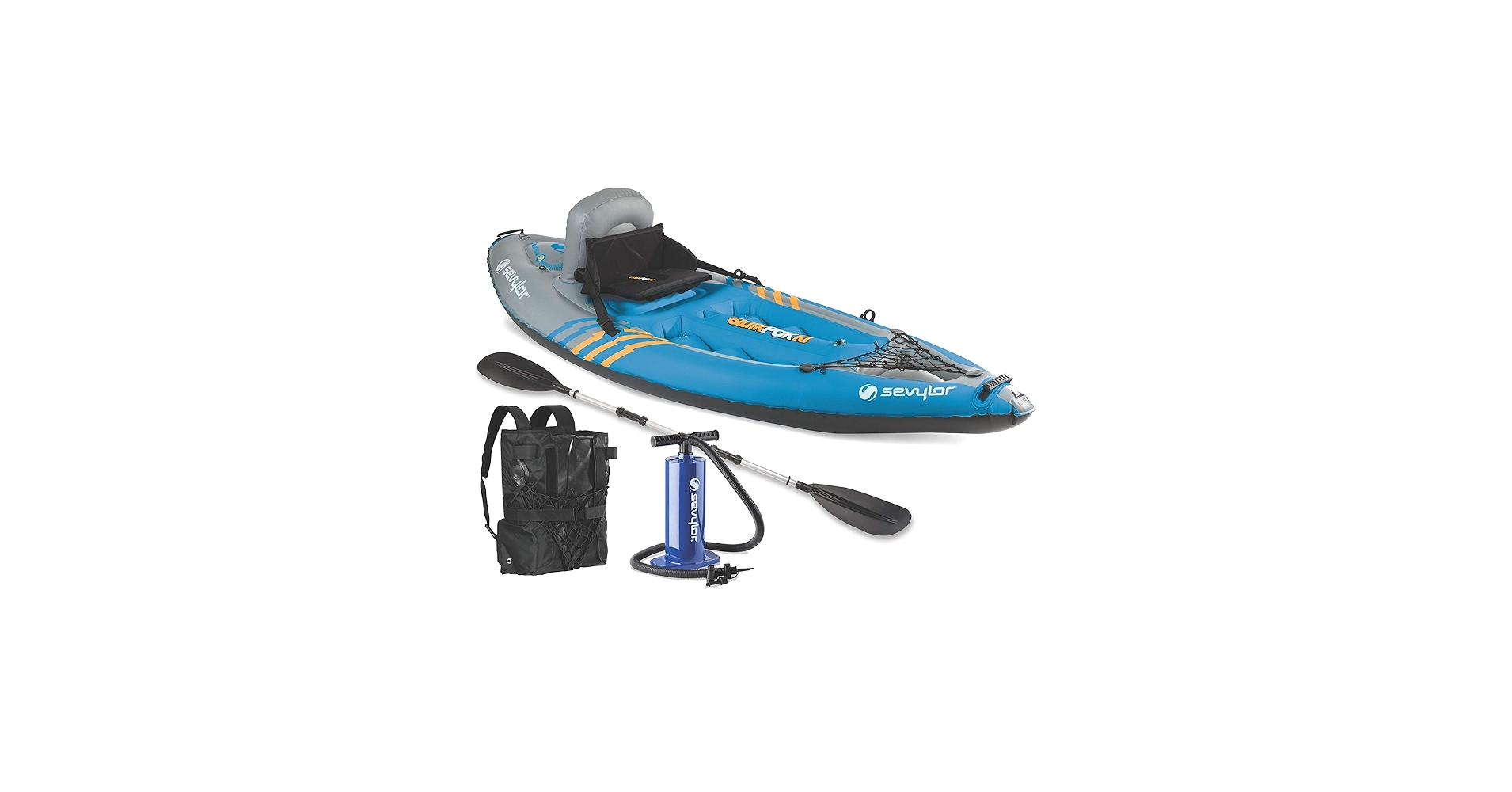
It stands alone by integrating the transport backpack directly into the kayak’s seat, offering an unmatched all-in-one solution for ultimate portability and organization.
Kayak Backpack Comparison
| Product | Primary Function | Waterproofing | Best For |
|---|---|---|---|
| Sevylor QuickPak K1 Inflatable Kayak | All-in-One Kayak & Transport | Kayak is waterproof; Backpack is not | Beginners needing maximum portability |
| Oru Kayak Oru Pack | Folding Kayak Transport | Water-resistant materials | Oru Kayak owners hiking to remote spots |
| GVANCA Waterproof Dry Backpack | On-Water Gear Storage | Fully Waterproof (Roll Top) | Protecting essentials during any paddle |
| Buffalo Gear Insulated Kayak Cooler | On-Water Cooler Storage | Leak-proof and waterproof zipper | Kayak fishing or day trips with food/drinks |
Detailed Product Reviews
Sevylor QuickPak K1 1-Person Inflatable Kayak
Pros
- Ingenious backpack system unfolds to become the kayak’s seat
- Multiple air chambers provide a crucial safety backup
- Durable tarpaulin bottom resists punctures
Cons
- Short 90-day limited warranty raises durability concerns
- Best suited for calm lake use, not for rough water or sea kayaking
The Breakdown: The Sevylor QuickPak K1 redefines portability by integrating the transport system directly into the vessel. Its 21-gauge PVC construction is rugged enough for most lake environments, and the Airtight System is guaranteed against leaks, providing peace of mind. This design brilliantly solves the last-mile problem of getting your kayak from the car to the shore without hassle.
Key Specs:
- Material: 21-gauge PVC with Tarpaulin bottom
- System: Integrated backpack-to-seat design
- Safety: Multiple air chambers
- Capacity: 1 Person
The Community Verdict: User feedback consistently praises the K1 for its incredible convenience. A Reddit user described it as a “good start” for a “sedentary woman with no previous kayak experience,” highlighting its accessibility. Others on YouTube have lauded it as the “lightest kayak” in their collection, emphasizing its ease of transport and setup.
Dealbreaker: The 90-day warranty is significantly shorter than what many competitors offer, which might deter those looking for a long-term investment. It’s built for leisure, not performance, so experienced paddlers seeking speed or tracking for rough conditions should look elsewhere.
Oru Kayak Oru Pack
Pros
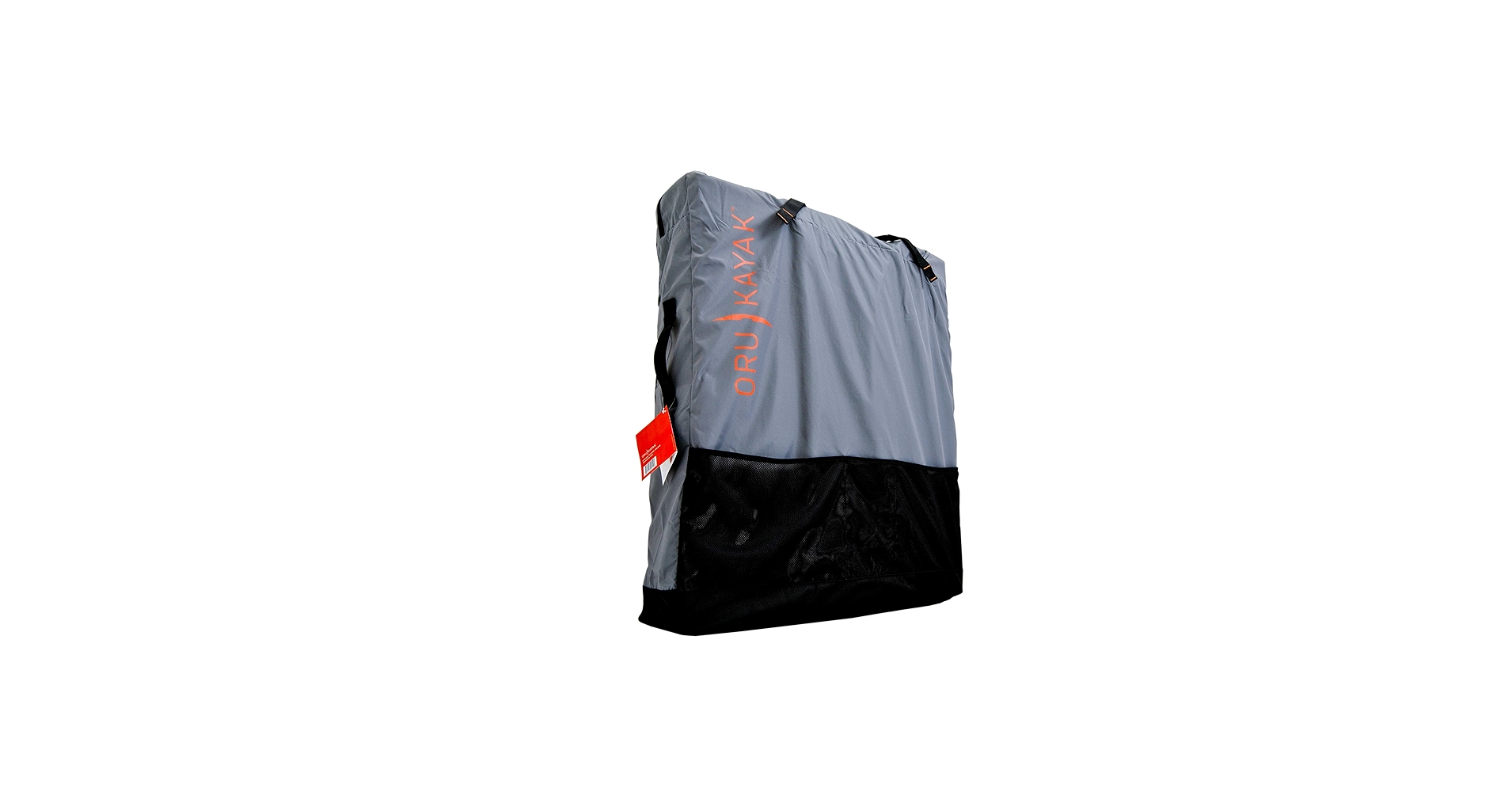
- Rugged nylon construction with a comfortable harness
- Designed specifically for a snug, secure fit for Oru models
- Enables hiking and air travel with your kayak
Cons
- Only compatible with specific Oru Kayak models
- A costly accessory on top of an already premium kayak
The Breakdown: For owners of the innovative Oru folding kayaks, the Oru Pack is a non-negotiable accessory for maximizing their boat’s potential. It transforms the suitcase-sized kayak into a hikeable backpack, opening up a world of remote paddling locations. Market research indicates its build quality is high, designed to withstand the rigors of travel and trails.
Key Specs:
- Material: Rugged Nylon
- System: Padded shoulder straps and hip belt
- Compatibility: Most single Oru Kayak models (not tandem)
- Primary Use: Transporting a folded kayak
The Community Verdict: The consensus among paddlers is that Oru Kayaks are “legit,” and this pack is the key to their portability. Reviewers and Reddit users confirm it makes hiking to water access points feasible. While some users caution against taking Oru kayaks into open oceans or large lakes, the pack itself is praised for its role in enabling adventures on calmer waters.
Dealbreaker: Its specificity is its biggest drawback. If you don’t own an Oru Kayak, this pack is useless. It is an investment in a specific ecosystem, and it is not compatible with the tandem Haven model.
GVANCA Waterproof Roll Top Kayak Dry Backpack
Pros
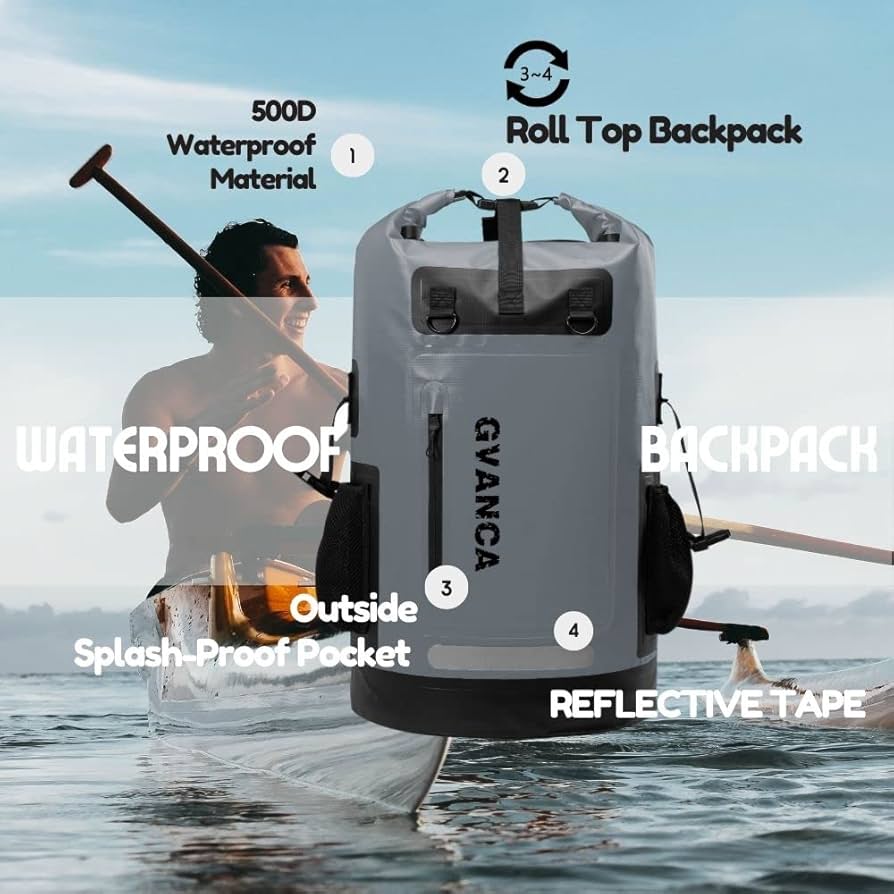
- Roll-top closure creates a completely waterproof seal
- Heavy-duty 500D PVC material is tough and durable
- Floats if accidentally dropped in water
Cons
- Lacks internal pockets for smaller item organization
- Can become uncomfortable on long hikes if heavily loaded
The Breakdown: This GVANCA dry bag is the quintessential workhorse for on-water gear protection. Its design is brutally effective: the roll-top system, when sealed properly, creates an airtight and waterproof barrier that protects electronics, clothing, and food. This type of backpack is essential for anyone spending significant time on or near the water, from kayaking to sailing.
Key Specs:
- Material: 500D PVC
- System: Roll-top closure
- Waterproofing: Full immersion-capable
- Primary Use: Keeping gear dry
The Community Verdict: Online reviews for this style of bag are consistently positive, with users confirming its waterproof claims. It’s frequently recommended for multi-day trips and praised for its simple reliability. The consensus is that while it’s not a feature-rich hiking pack, it excels at its primary function: keeping things dry.
Dealbreaker: This is a cavernous single-pouch bag. If you need to organize many small items, you’ll be frustrated without using smaller internal packing cubes or pouches. It prioritizes waterproofing over access and organization.
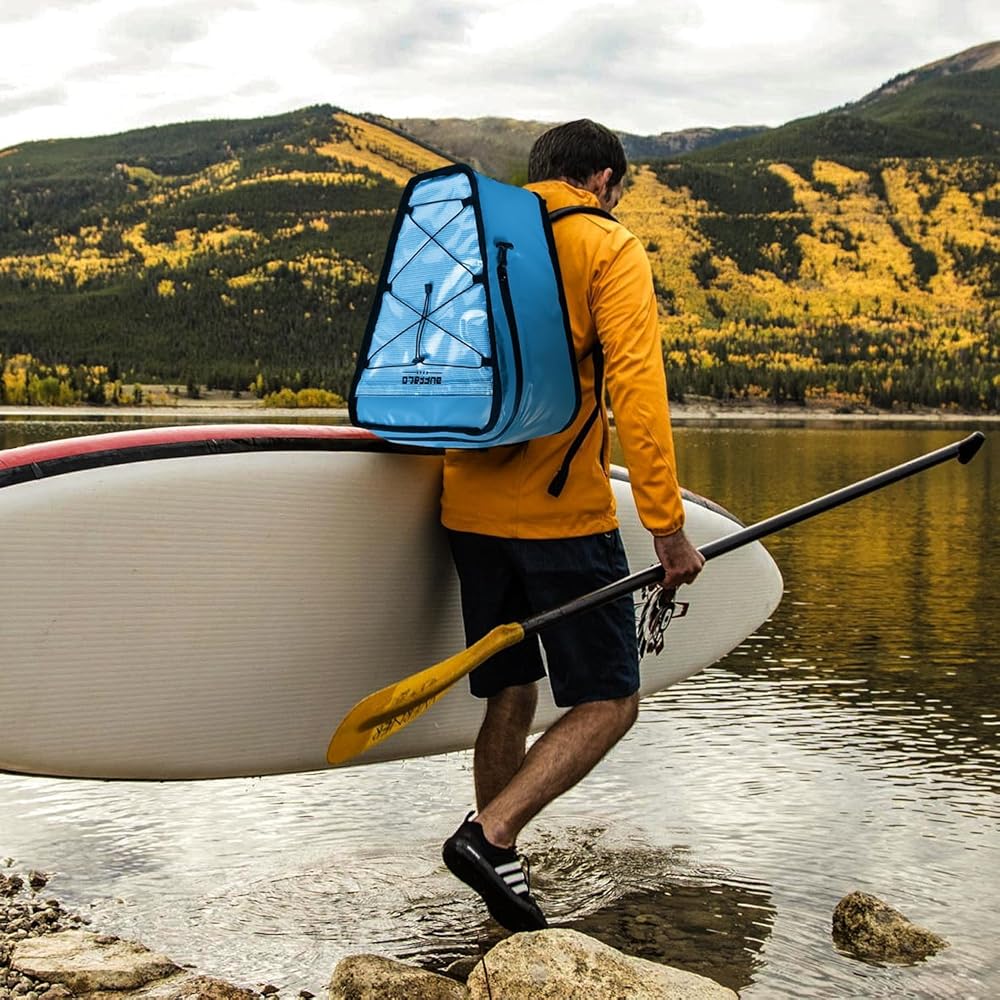
Buffalo Gear Insulated Kayak Cooler
Pros
- Double-wall insulation keeps contents cold
- Heat-welded seams and waterproof zipper prevent leaks
- Designed to fit on the deck of a kayak
Cons
- Insulation may not be sufficient for multi-day trips in high heat
- Soft-sided design is less protective than a hard cooler
The Breakdown: The Buffalo Gear Cooler tackles a specific organizational need: temperature control. Its insulated, leak-proof design makes it a far better choice than a standard backpack for carrying anything that needs to stay cold. With reinforced seams and a waterproof zipper, it’s built to handle the wet environment of a kayak deck without making a mess.
Key Specs:
- Material: Insulated, waterproof fabric
- System: Double-wall insulation, waterproof zipper
- Primary Use: Keeping fish, food, or drinks cold
- Design: Low profile for kayak decks
The Community Verdict: Kayak fishing forums are the primary source of feedback, where users confirm its utility. Some Redditors note that its insulating abilities are best for day trips and recommend using frozen water bottles or ice packs for best results. It’s widely seen as a practical alternative to a bulky hard-sided cooler on a space-constrained kayak.
Dealbreaker: Don’t expect multi-day ice retention on par with a high-end roto-molded cooler. This is a day-trip solution designed for convenience and a kayak-friendly form factor, not for extreme performance.
Best backpack for kayak
The term “backpack for kayak” can mean very different things. It can be a pack that contains an entire kayak, a specialized bag to carry a folded one, or a waterproof pack to take on your trip. Here are top choices that cover each of these organizational needs.
Sevylor QuickPak K1 1-Person Inflatable Kayak
Cons: Short warranty
Oru Kayak Oru Pack
Cons: Only fits specific Oru models
GVANCA Waterproof Roll Top Kayak Dry Backpack
Cons: Lacks internal organization
Best dry bags for paddle boarding
While similar to kayaking bags, the best dry bags for paddle boarding often prioritize a lower profile and secure deck attachment points. They need to stay put on a flat, exposed surface. Here are some excellent options designed to keep your gear safe while you stand-up paddle.
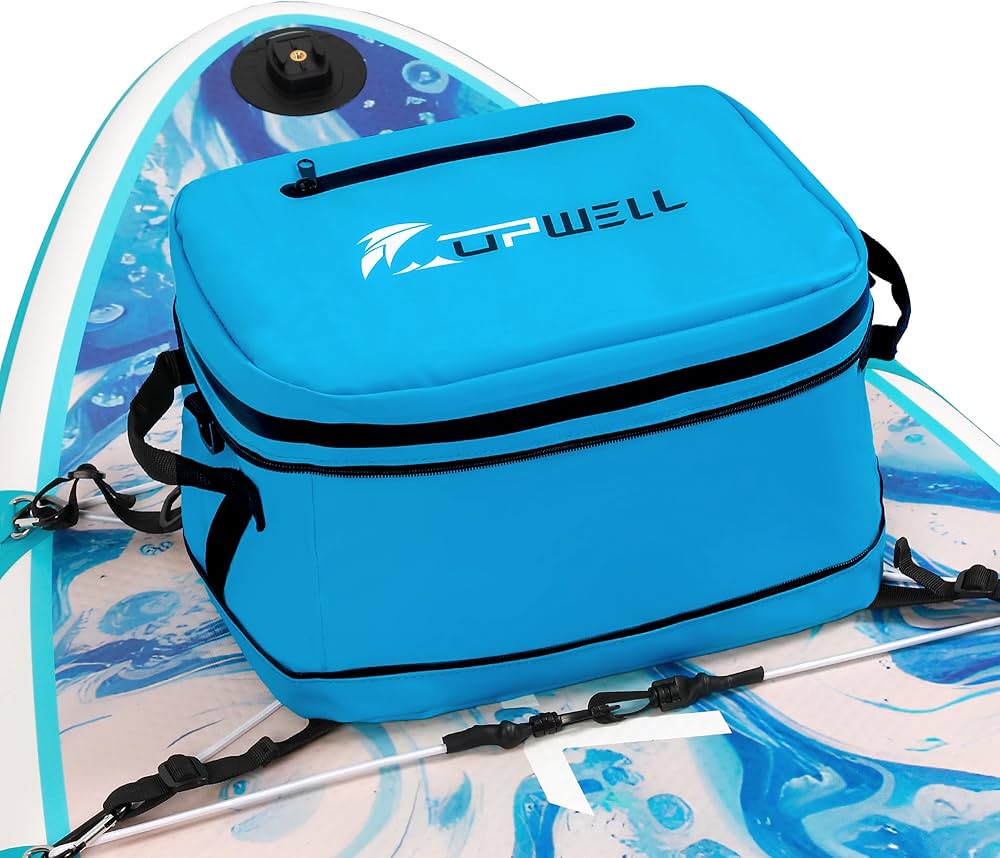
UPWELL Paddle Board Accessories – Waterproof SUP Cooler Deck
Cons: May have limited capacity
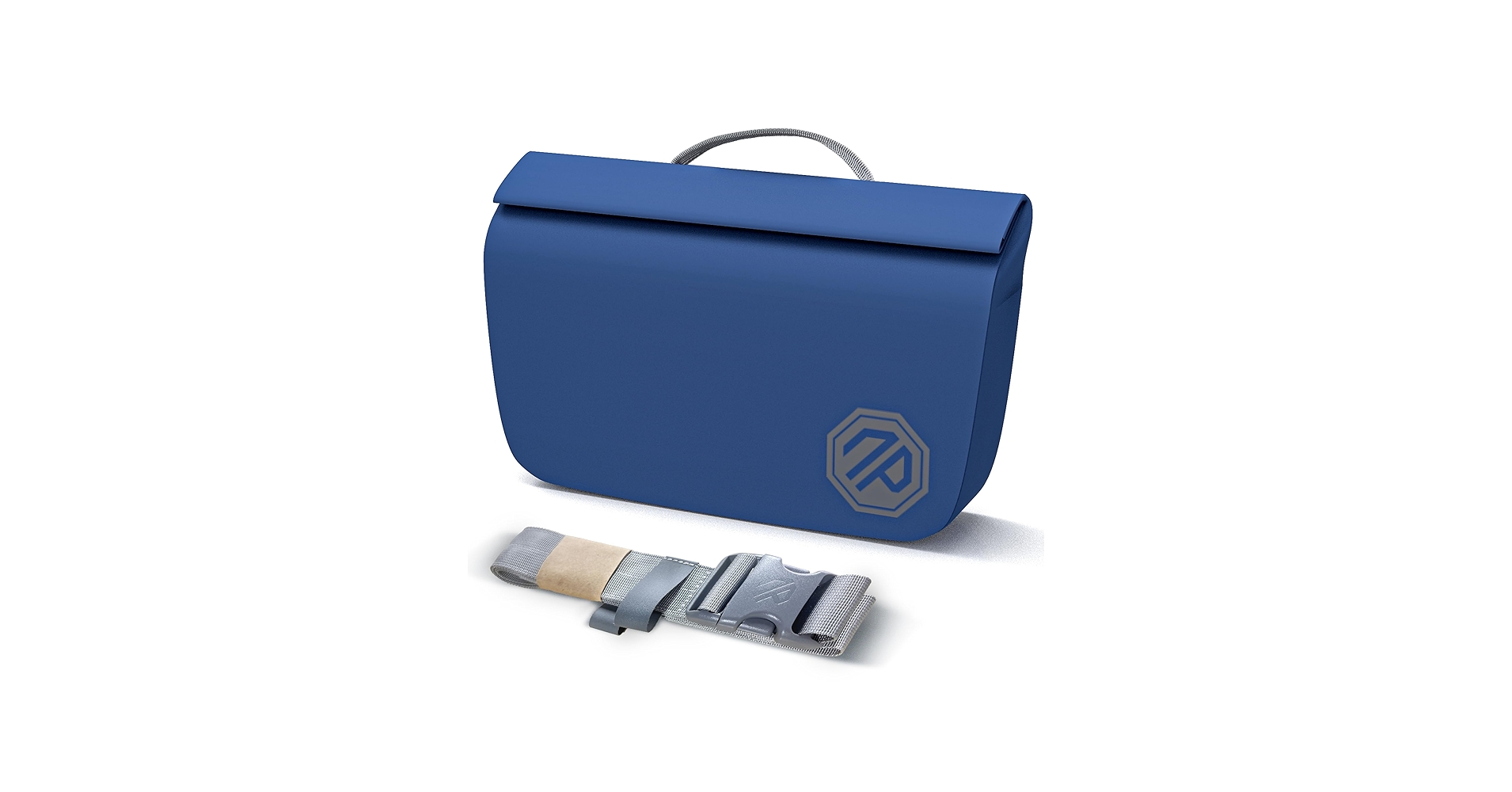
niphean IPX7 Waterproof Fanny Pack with Magnetic
Cons: Small size for essentials only
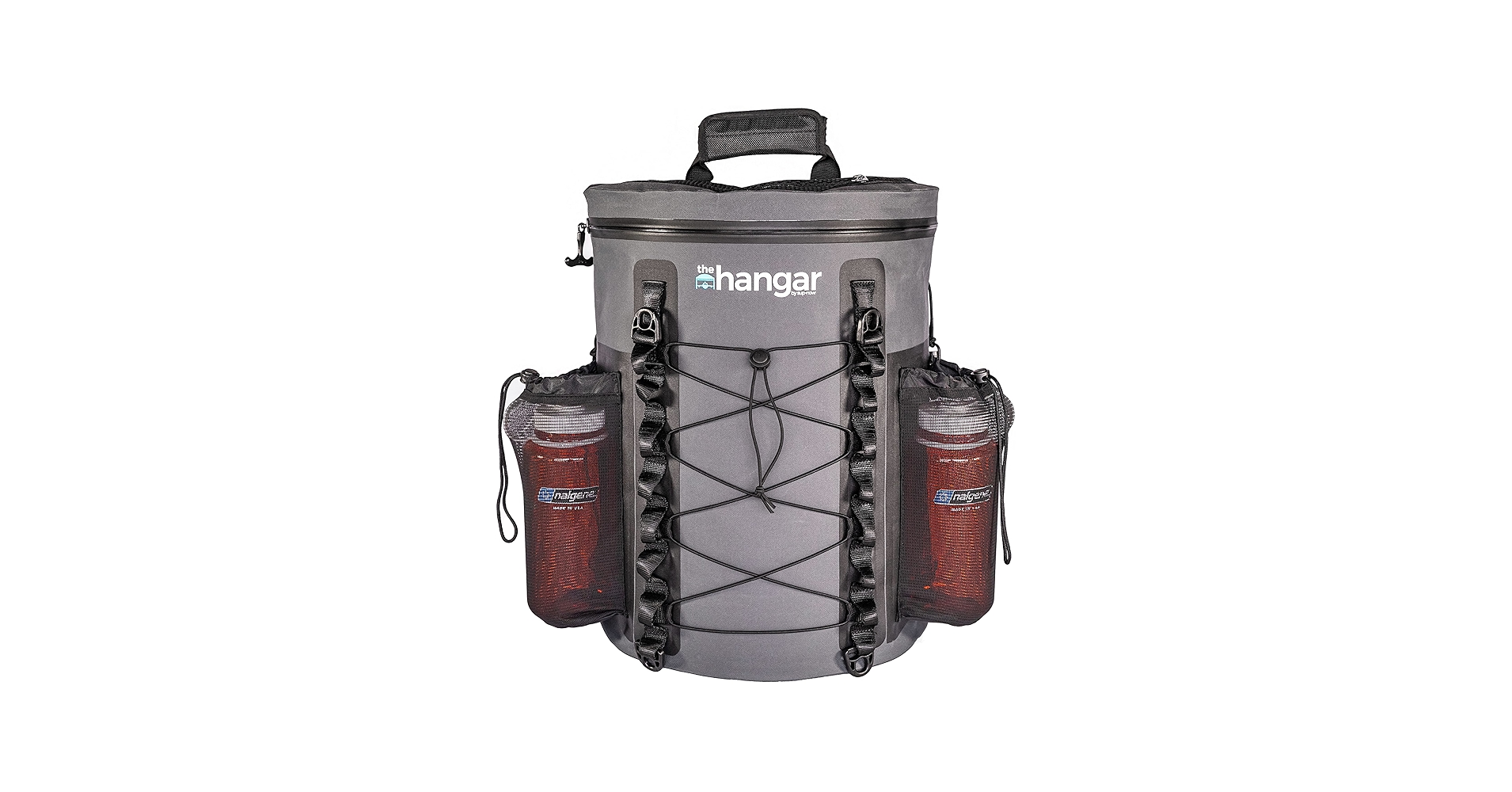
SUP-Now Stand Up Paddle Board Deck Bag
Cons: May not be fully submersible
Buying Guide: How to Choose a Backpack for Your Kayak
Choosing the right bag comes down to identifying your primary need. Ask yourself what problem you are trying to solve.
1. Portability of the Kayak Itself: If you live in an apartment or need to hike to your launch point, your main challenge is transport. Look for all-in-one systems like the Sevylor inflatable or specialized carrier packs like the Oru Pack for folding kayaks. These prioritize getting the boat to the water over on-water storage.
2. Keeping Gear Dry: This is the most common need for paddlers. A roll-top dry bag backpack is your best bet. Look for durable materials like 500D PVC or vinyl, and ensure the seams are welded, not stitched. Their simplicity is their strength, and they are versatile enough for any water sport. Much like a good waterproof keyboard protects your desk setup from spills, a dry bag provides essential protection for your valuables.
3. Specialized On-Water Storage: Do you need to keep your drinks cold or your catch fresh? An insulated cooler bag is the answer. These are purpose-built for temperature control and often have a lower, wider profile to remain stable on a kayak deck. Just as a minimalist cable organizer tidies your workspace, a good deck bag organizes your on-water experience.
Frequently Asked Questions
Can you use a regular backpack for kayaking?
It is not recommended. Regular backpacks are not waterproof and will quickly become saturated, potentially ruining the contents and weighing you down. For safety and protection of your gear, a purpose-built dry bag is the correct choice.
What size dry bag do I need for a day trip?
For a typical day trip, a 20-30 liter dry bag is usually sufficient. This size can hold a change of clothes, a towel, lunch, a water bottle, and small electronics like your phone and keys. If you are packing for colder weather or bringing camera gear, consider sizing up to 40 liters.
How does an inflatable kayak that fits in a backpack perform?
Modern inflatable kayaks are surprisingly rigid and durable, especially those with tarpaulin bottoms and multiple air chambers. They perform very well on calm waters like lakes and slow-moving rivers. However, they generally don’t track as straight or move as fast as a traditional hard-shell kayak and are not intended for rough seas or whitewater.