🚀 Quick Verdict / Top Pick
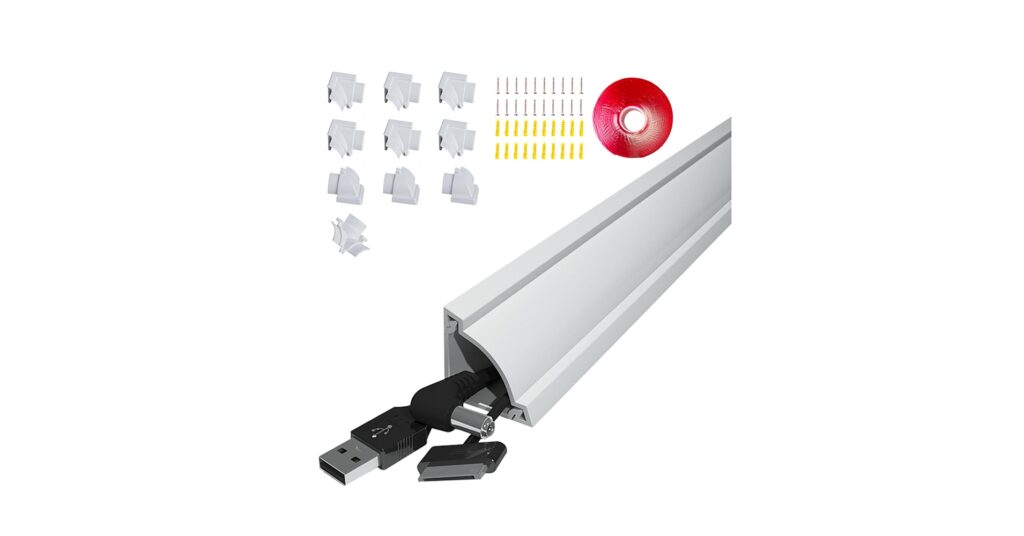
Corner Cable Hider, 157in Cable Concealer
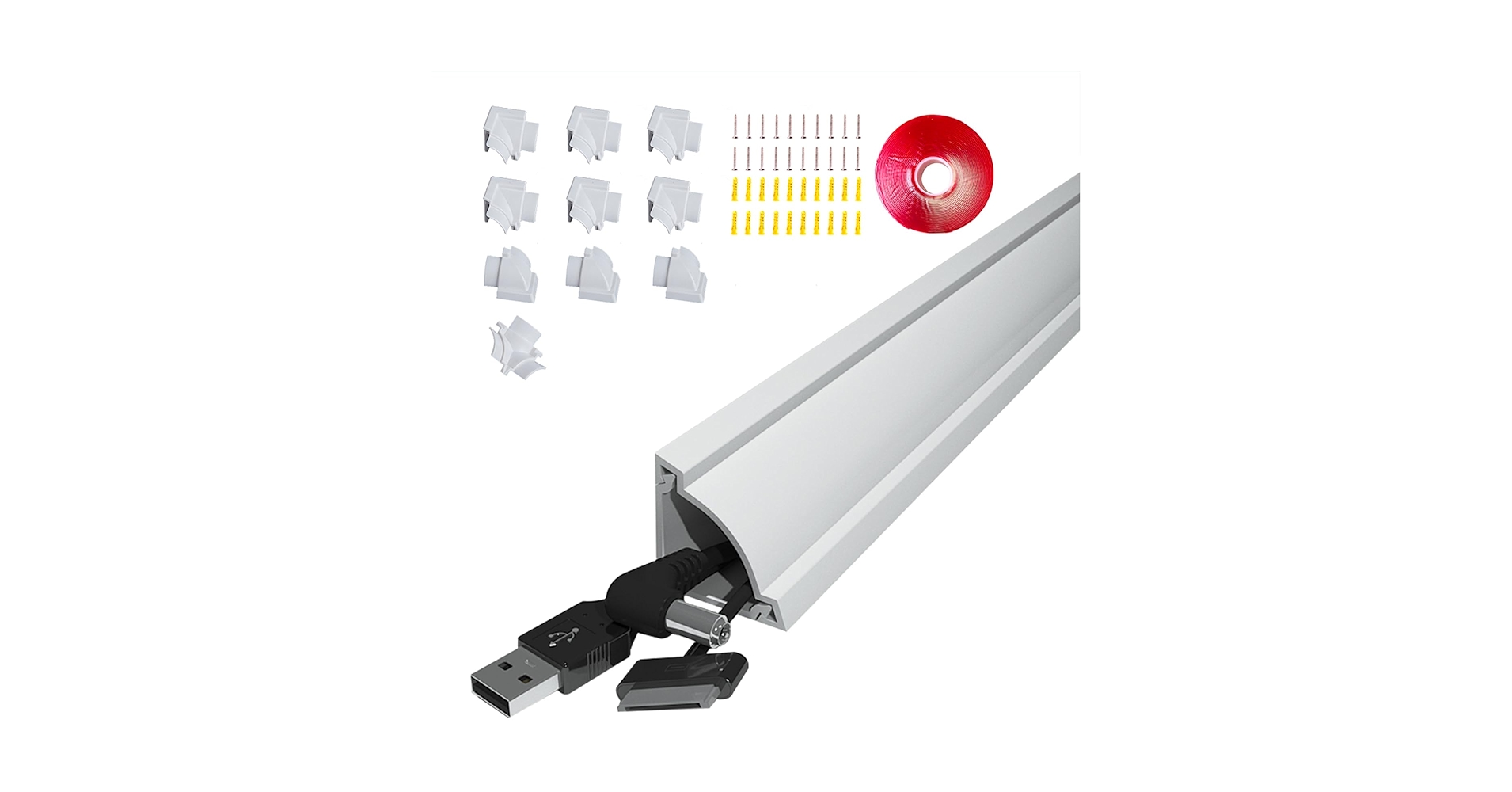
With an exceptional 157-inch length and a clean, paintable corner profile, this kit provides the most seamless wall-to-wall coverage for a truly minimalist aesthetic, out-valuing competitors with sheer scale and simplicity.
In the pursuit of a minimalist, high-tech workspace, exposed cables are the final frontier of clutter. A tangled mess of wires snaking along your trim instantly undermines an otherwise curated setup. The solution is finding the best cable raceway for baseboards, one that doesn’t just hide wires but actively enhances your room’s aesthetic. For 2026, the focus is on seamless integration—products that blend into your architecture or become intentional design elements. Our market research dives into the top contenders, prioritizing clean lines, quality materials, and user-friendly installation to help you achieve a truly pristine environment.
Comparison Table: 2026’s Top Picks
| Product | Profile/Design | Material & Finish | Best For |
|---|---|---|---|
| Corner Cable Hider, 157in | Corner Profile | Paintable PVC | Seamless Wall-to-Wall Coverage |
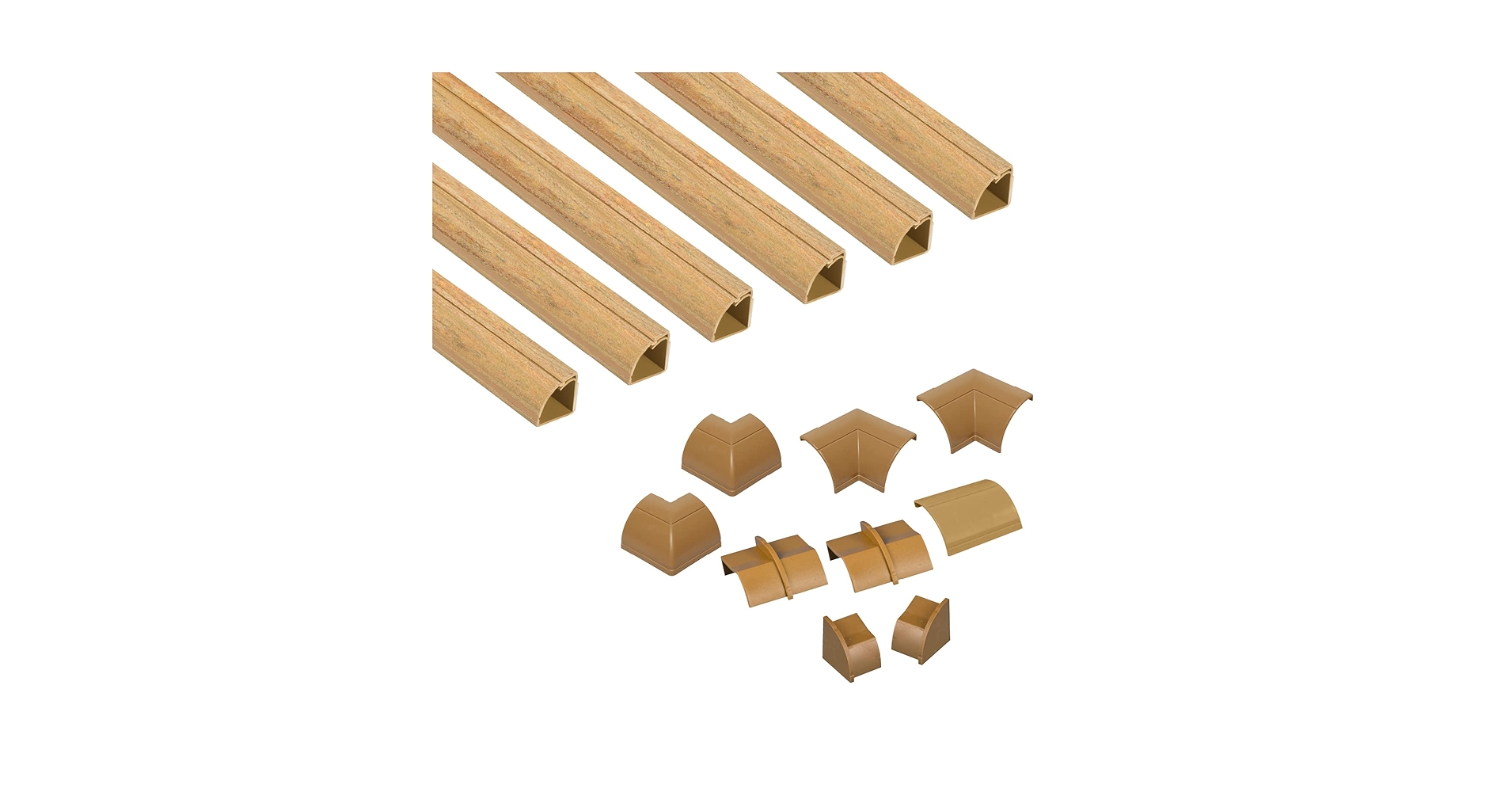
| D-Line Wood-Effect Quarter Round | Quarter-Round | Stainable Wood-Effect | Matching Wood Flooring & Trim |
| 136in Large Corner Concealer | Large Corner Profile | Paintable PVC | Hiding Thick Cable Bundles |
| ZhiYo 85in Corner Concealer | Corner Profile | Paintable PVC | Smaller Rooms or Accent Walls |
| D-Line 30FT Cord Cover Kit | Half-Round (D-Channel) | Paintable PVC | Maximum Versatility on Flat Walls |
Detailed Reviews
1. Corner Cable Hider, 157in Cable Concealer
Pros
- Exceptional 157-inch length covers most walls entirely
- Clean, sharp corner profile for modern interiors
Cons
- Adhesive can be aggressive on delicate paint
- Hinge mechanism can feel stiff during install
The Breakdown: This kit prioritizes length above all else, offering over 13 feet of coverage designed to hug the corner between the baseboard and the wall. Its simple, paintable PVC construction is a blank canvas for customization. The single-piece hinge design simplifies access to cables after installation.
Key Specs:
- Profile: Corner
- Material: Paintable PVC
- Total Length: 157 inches
- Installation: Self-Adhesive Tape
The Community Verdict: Users consistently praise the generous length, which eliminates the need for unsightly connectors on long walls. The ability to paint it to match wall colors is a major plus for design-conscious buyers. Some reports mention the pre-applied adhesive is very strong, recommending caution during installation on rented properties or freshly painted surfaces.
Dealbreaker: Skip this if you need to run cables along a flat wall away from a corner, as its profile is specifically designed for 90-degree angles.
2. D-Line Stainable Wood-Effect Quarter Round
Pros
- Beautiful, realistic wood-grain effect
- Can be stained to perfectly match existing woodwork
Cons
- Lower cable capacity than larger PVC options
- Sold in very short 15.7-inch lengths
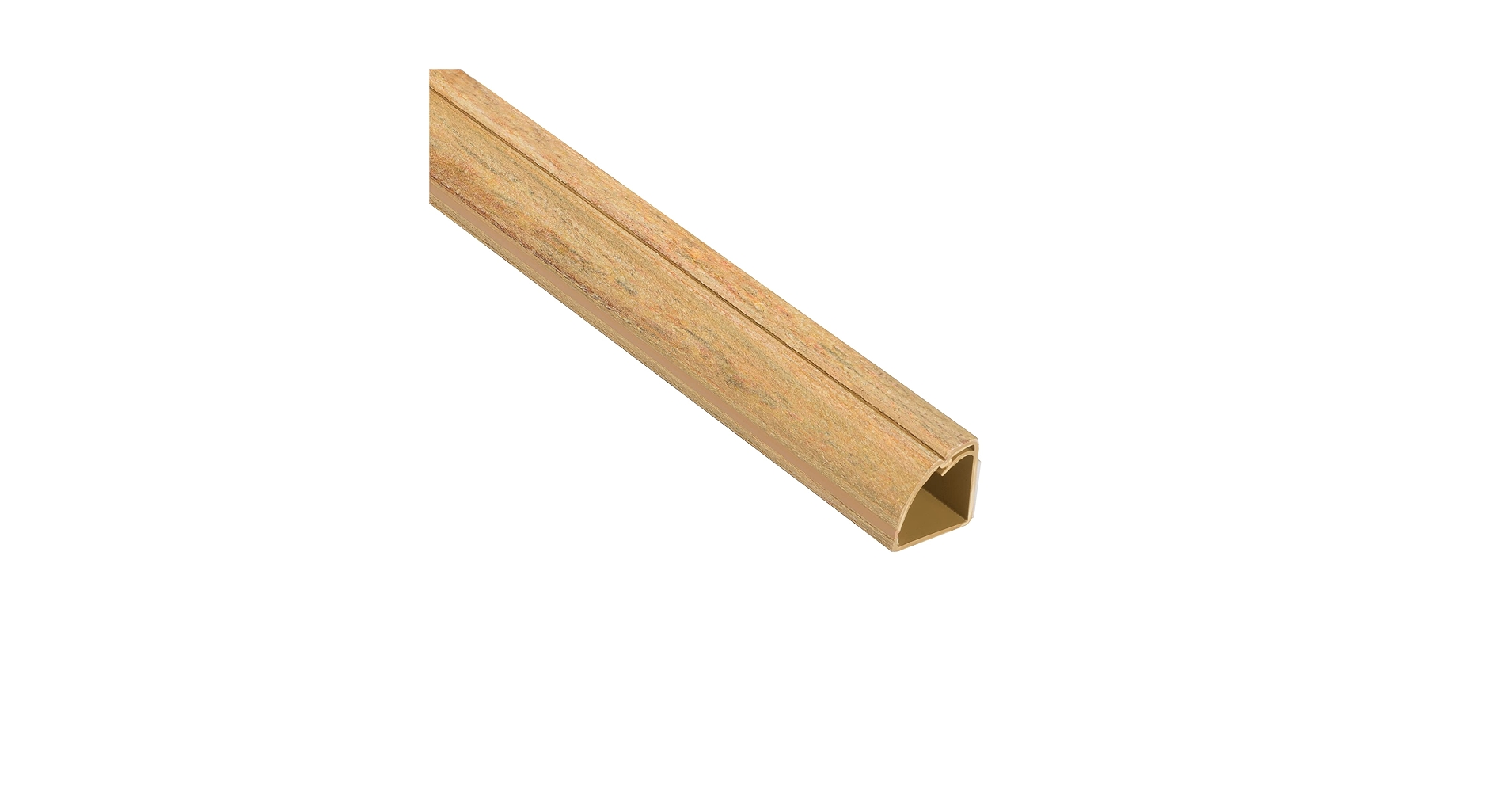
The Breakdown: D-Line’s Quarter Round raceway is an aesthetic masterpiece, designed to look like traditional wood molding. Its primary selling point is the stainable wood-effect finish, which allows for a level of customization unmatched by standard plastic concealers. The profile sits perfectly at the junction of the floor and baseboard.
Key Specs:
- Profile: Quarter-Round
- Material: Stainable Wood-Effect PVC
- Total Length: 15.7 inches per piece
- Installation: Self-Adhesive Tape
The Community Verdict: The consensus is that the visual appeal is top-tier for homes with wood accents. Users report success in staining it to match various woods, from oak to cherry. The main drawback cited is the very short length per piece, which requires purchasing multiple units and using connectors for any significant run, breaking the seamless look.
Dealbreaker: Skip this if you need to hide a bundle of thick cables (like multiple power cords and HDMI), as its internal capacity is quite slim.
3. 136in Corner Cable Concealer, Large Corner Cord
Pros
- Very generous internal capacity for multiple cables
- Good total length for most standard rooms
Cons
- Larger profile is more noticeable than slimmer options
- Includes multiple sections, requiring connectors
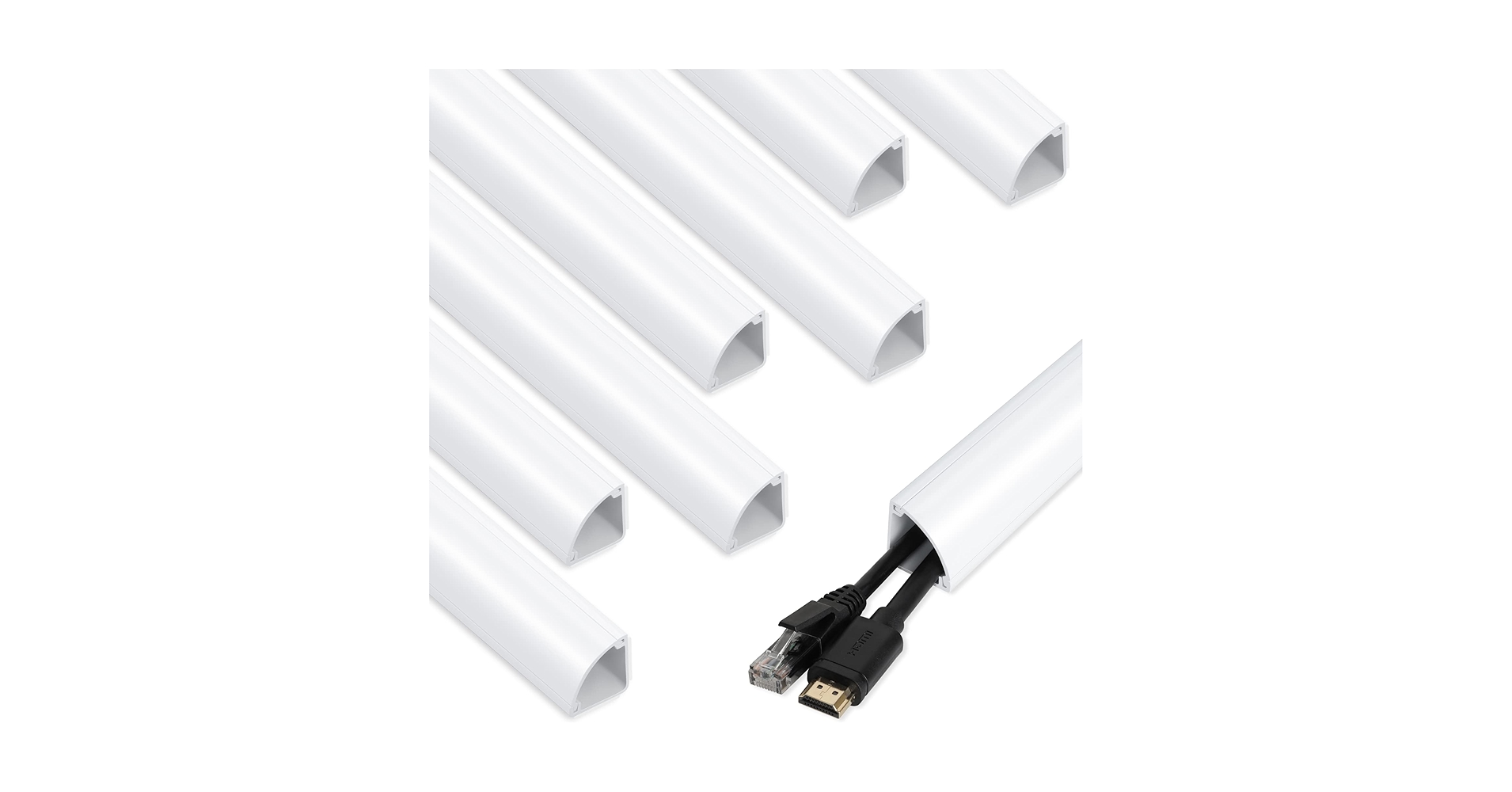
The Breakdown: This kit strikes a balance between length and capacity. Marketed as ‘Large’, its channel is significantly wider than standard corner concealers, easily accommodating thick power strips or multiple A/V cables. It comes in sections, providing flexibility for routing but requiring couplers for a continuous look.
Key Specs:
- Profile: Large Corner
- Material: Paintable PVC
- Total Length: 136 inches
- Installation: Self-Adhesive Tape or Screws
The Community Verdict: Owners confirm its impressive capacity, often citing it as the solution for home theater setups. The option to install with either tape or screws is appreciated for providing a more permanent mounting solution. A common critique is that its larger size, while functional, is less discreet than slimmer alternatives, even when painted.
Dealbreaker: Skip this if your goal is absolute minimalism; its size is function-first and may be too bulky for a sparse, airy aesthetic.
4. ZhiYo 85in Corner Cable Concealer, Corner Cord
Pros
- Cost-effective for smaller projects
- Standard, easy-to-paint profile
Cons
- Limited 85-inch length is not ideal for full rooms
- Material can feel thinner than premium brands
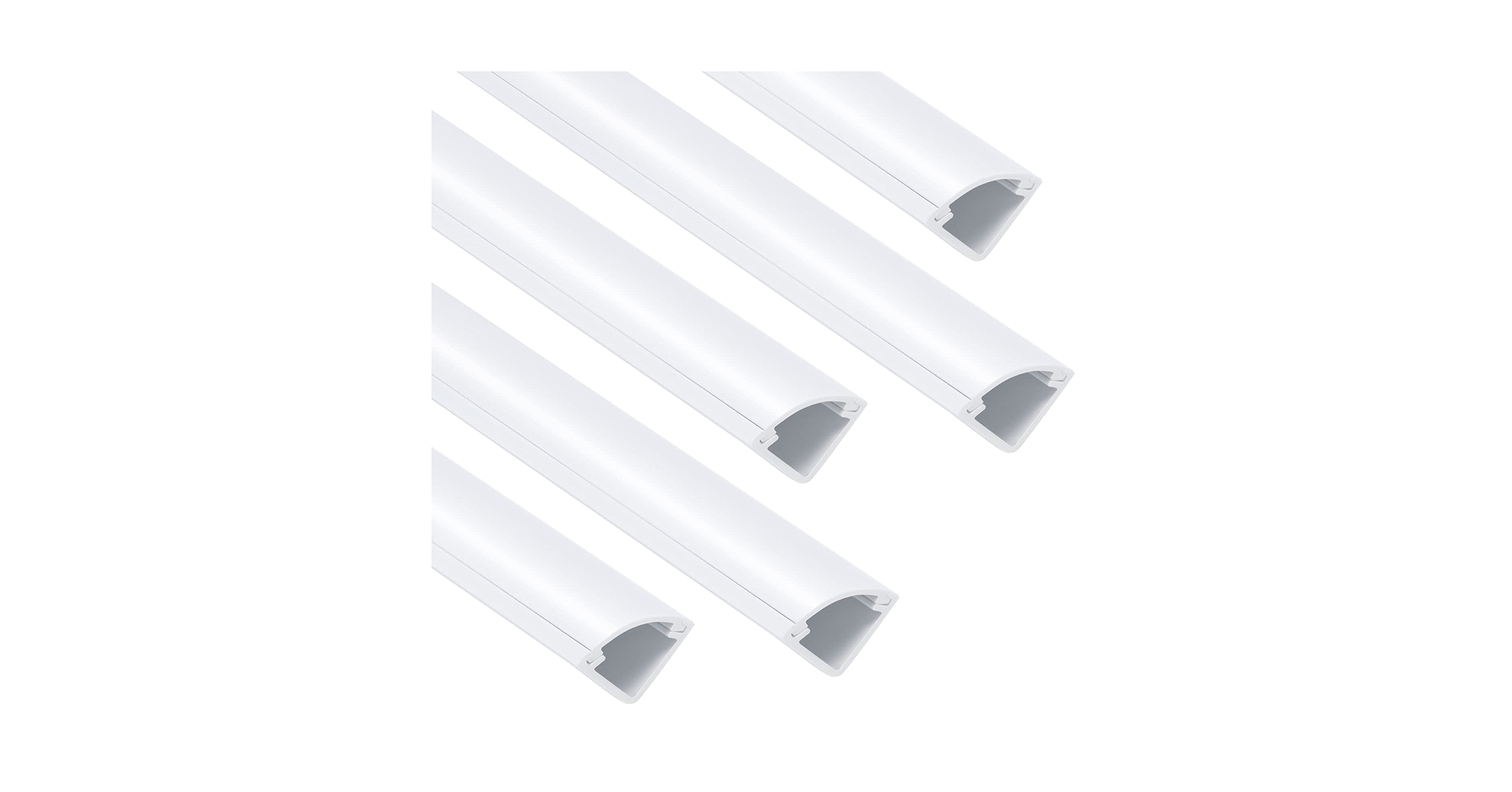
The Breakdown: The ZhiYo kit is a straightforward, no-frills corner raceway. It offers a modest length of 85 inches, making it suitable for targeted cable hiding rather than whole-room solutions. The design and material are standard fare: a paintable PVC with a snap-on cover and adhesive backing.
Key Specs:
- Profile: Corner
- Material: Paintable PVC
- Total Length: 85 inches
- Installation: Self-Adhesive Tape
The Community Verdict: Market research indicates this is a popular choice for simple jobs where value is key. Users find it perfectly adequate for hiding a few cables behind a desk or TV stand. Criticisms sometimes point to the plastic feeling less robust and the adhesive being less reliable than that of higher-priced competitors.
Dealbreaker: Skip this if you need to cover more than about 7 feet, as you’ll need to buy multiple kits, negating the cost savings.
5. D-Line Cord Cover Kit, 30FT Self-Adhesive Wire Hider
Pros
- Massive 30-foot length offers incredible value
- Versatile half-round profile works anywhere on flat surfaces
Cons
- Not specifically designed for corner aesthetics
- Comes in a coil that needs to be straightened before install
The Breakdown: This D-Line kit is the bulk option for total cable management. Its half-round (D-Channel) profile is designed to sit flat on top of a baseboard or directly on a wall. The unique feature is its flexible, coiled delivery, providing a massive 30 feet of continuous coverage that you can cut to any desired length.
Key Specs:
- Profile: Half-Round (D-Channel)
- Material: Flexible, Paintable PVC
- Total Length: 30 feet (360 inches)
- Installation: Self-Adhesive Tape
The Community Verdict: The sheer length for the price is the most highly-praised feature. It’s considered an excellent bulk solution for wiring entire rooms or offices. The main challenge users report is that the material retains a ‘memory’ from being coiled, requiring some effort to flatten it out before applying it to the wall for a perfectly straight line.
Dealbreaker: Skip this if your primary need is a clean, sharp 90-degree corner solution; its profile is built for flat surfaces and will look awkward wrapping corners.
Buying Guide: How to Choose the Right Cable Raceway
Selecting the best cable raceway for your baseboards goes beyond just hiding wires; it’s about preserving your room’s aesthetic. Here’s what to consider for a clean, integrated look in 2026.
1. Profile and Shape
The shape of the raceway is the most critical aesthetic choice. Corner profiles are designed to fit snugly into the 90-degree angle between your wall and baseboard, making them virtually disappear. Quarter-round profiles mimic traditional wood molding and are ideal for placing at the junction of the floor and baseboard. Finally, half-round (D-Channel) profiles sit on top of the baseboard or wall, offering more capacity but with a slightly more noticeable presence.
2. Material and Finish
Most raceways are made from a durable PVC. A paintable finish is the standard for minimalism, as it allows you to match your wall or trim color precisely for a built-in look. This level of detail can elevate your entire setup, ensuring your cable management complements other decor choices, such as a custom mid-century modern lamp shade. For a warmer, more traditional aesthetic, a wood-effect or stainable raceway can be paired with other natural desk accessories, like a wooden cable management box, to create a cohesive theme.
3. Capacity and Installation
Be realistic about how many cables you need to hide. A single speaker wire needs a much slimmer raceway than a power strip cord, two monitor cables, and an Ethernet cable. Check the product’s internal dimensions. For installation, self-adhesive tape is the most common and user-friendly method, but ensure your wall surface is clean and smooth. For heavier cable bundles or a more permanent fit, look for kits that include the option for screw mounting.
Frequently Asked Questions
Can you paint cable raceways?
Yes, almost all PVC cable raceways are designed to be paintable. For best results, it is recommended to lightly scuff the surface with fine-grit sandpaper and use a primer before applying your wall-matching paint. This ensures the paint adheres properly and doesn’t flake off.
Is the self-adhesive tape safe for walls?
Generally, yes, but with a major caveat. The adhesives used are often very strong to prevent sagging. On well-primed and painted drywall, it should be fine. However, removing it can peel off paint, especially on matte finishes or in older homes. If you are renting or concerned about wall damage, consider using removable adhesive strips or opting for a screw-in model.
How do you cut a cable raceway to size?
Cutting PVC raceways is straightforward. A fine-toothed hacksaw is the most common tool for the job. For the cleanest cut, use a miter box to ensure a perfectly straight 90-degree or angled 45-degree cut for corners. After cutting, you can smooth any rough edges with sandpaper.
Read More on TechForDesk
- Best Under Desk Laptop Mount with Cable Tray for 2026
- The 5 Best Weighted Cable Holder for Desk Setups in 2026
- The 5 Best Neoprene Cable Sleeve with Zipper Models of 2026
- The 5 Best J Channel Cable Raceway White Options for a Minimalist Desk in 2026
- The Best Minimalist Cable Organizer for an Aesthetic Desk in 2026