🚀 Quick Verdict / Top Pick
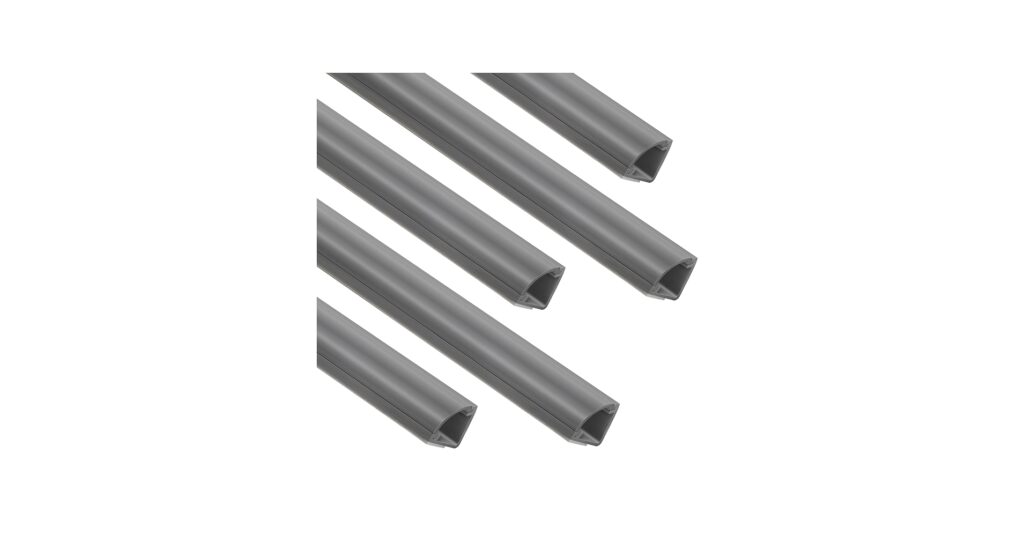
136in Corner Cable Concealer, Large Corner Cord
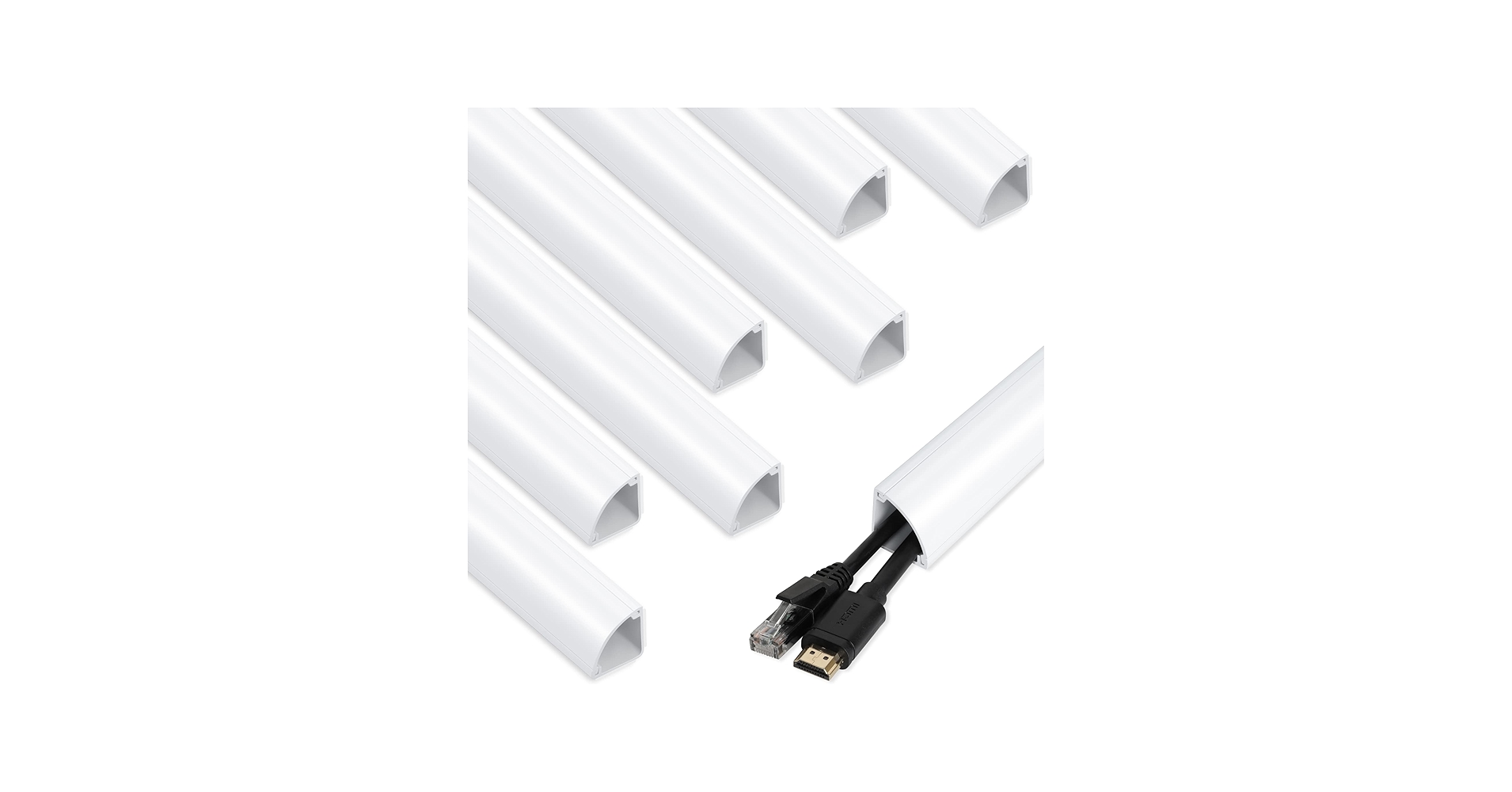
This kit wins with its generous 136-inch total length and large capacity, easily handling multiple thick cables while offering superior UL94 V-0 fire resistance for ultimate peace of mind.
A clean, minimalist workspace is incomplete if there are cables snaking along your baseboards and up the walls. A cable corner cover is the definitive solution, providing a sleek, paintable channel that seamlessly blends into your room’s corners. Whether you’re hiding a single speaker wire or a bundle of HDMI and power cords from a wall-mounted TV, the right corner duct transforms cable chaos into organized calm. Our market research dives into the top options, focusing on capacity, length, and ease of installation to help you find the perfect fit for your setup.
| Product | Total Length | Cable Capacity | Best For |
|---|---|---|---|
| 136in Corner Cable Concealer, Large | 136 inches | Large (3-5 cables) | Maximum Coverage & Capacity |
| Corner Cable Concealer, 85-inch, Large | 85 inches | Large (3-5 cables) | Wall-Mounted TVs |
| Corner Cable Hider, 125.6in | 125.6 inches | Medium (2-3 cables) | Long Runs with Fewer Cables |
| 85in Corner Cable Concealer – One-Cord | 85 inches | Small (1-2 cables) | Single Speaker or Ethernet Wires |
| ZhiYo 85in Corner Cable Concealer | 85 inches | Small (1-2 cables) | Basic Concealment Jobs |
Detailed Product Reviews
136in Corner Cable Concealer, Large Corner Cord
Pros
- Massive 136-inch total length for extensive coverage
- Large capacity hides 3-5 standard cables easily
- Superior UL94 V-0 fire-resistant PVC for enhanced safety
- Paintable and cuttable for a custom fit and finish
Cons
- Adhesive tape is not suitable for textured walls
- Requires a hacksaw for precise cuts
The Breakdown
This kit from ZhiYo is the ultimate solution for heavy-duty cable management. It combines the longest available length with a large capacity raceway, making it ideal for complex home theater or office setups. The material quality is a standout feature, with a high fire-resistance rating that offers more safety than standard PVC.
Key Specs
- Total Length: 136 inches (8 sections of 17 inches)
- Cable Capacity: Large (3-5 cables, e.g., 3 HDMI or 5 Ethernet)
- Installation Method: Pre-applied adhesive tape
- Material: UL94 V-0 fire-resistant PVC
The Community Verdict
Online discussions praise high-capacity corner concealers like this for their ability to completely hide the bundle of cables coming from modern entertainment systems. Users appreciate being able to run power, HDMI, and speaker wires within a single, paintable channel for a truly professional look without cutting into drywall.
Dealbreaker
The primary limitation is the adhesive backing. Like all similar products, it is designed for smooth, flat walls and will likely fail on heavily textured or uneven surfaces, requiring screws for a secure installation.
Corner Cable Concealer, 85-inch Cord Cover, Large
Pros
- Large capacity is perfect for TV cable bundles
- High-quality, odorless PVC with UL94 V-0 fire rating
- 85-inch length is ideal for standard wall heights
- Strong pre-applied adhesive for quick installation
Cons
- Not suitable for textured wall surfaces
- Length may be insufficient for very high ceilings
The Breakdown
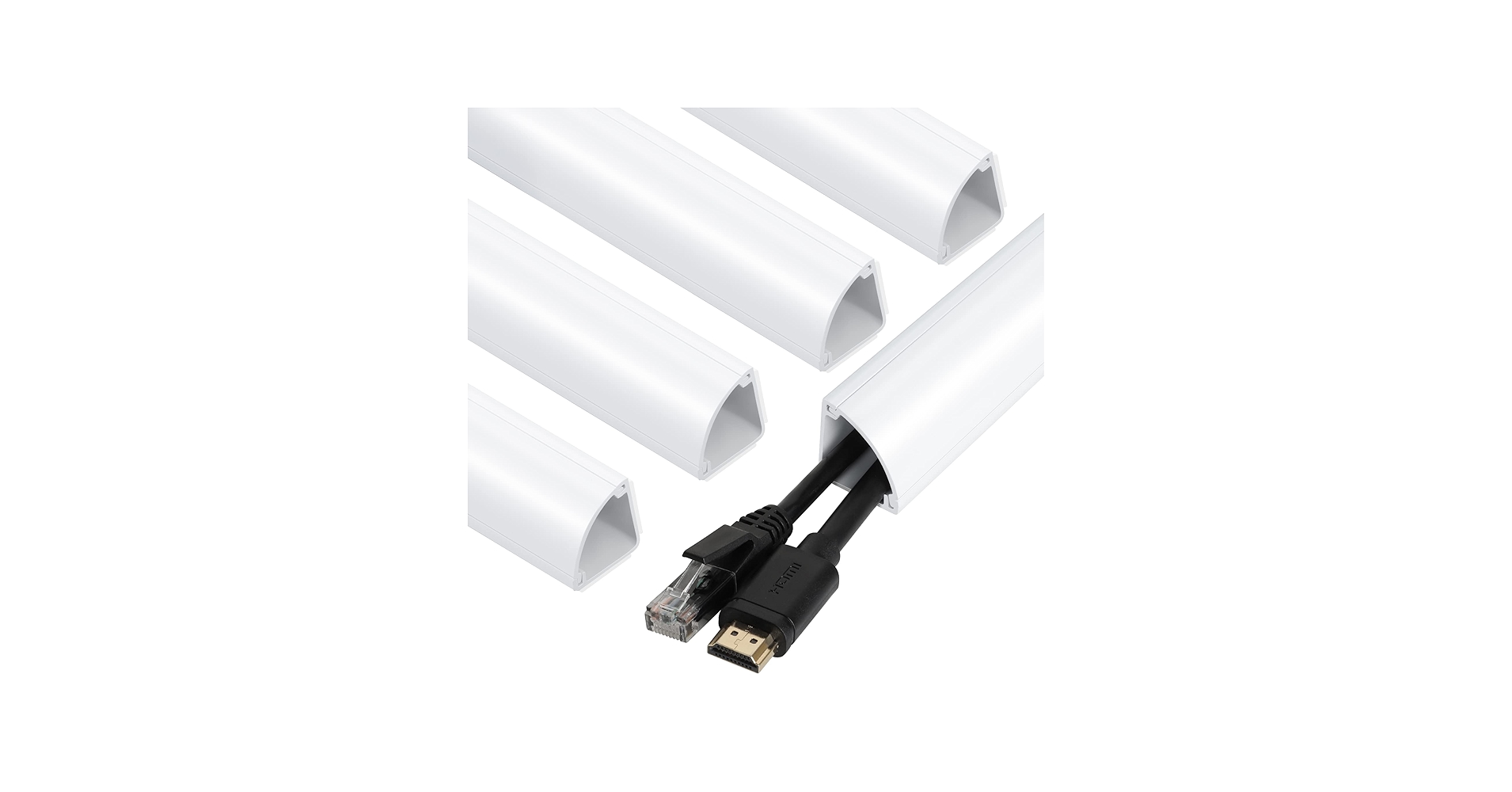
This is the workhorse option for the most common use case: hiding TV cables. It shares the same high-quality, fire-resistant build as our top pick but in a more standard 85-inch length that fits most floor-to-ceiling runs. The large capacity ensures you won’t struggle to fit a power cord, multiple HDMI cables, and an optical audio cable inside.
Key Specs
- Total Length: 85 inches (5 sections of 17 inches)
- Cable Capacity: Large (3-5 cables)
- Installation Method: Pre-applied adhesive tape
- Material: UL94 V-0 fire-resistant PVC
The Community Verdict
Across tech and parenting forums, a common topic is child-proofing and organizing electronics. Users recommend raceways like this for mounting baby monitor cameras in a corner, keeping the power cord safely tucked away and out of reach of curious hands, while maintaining a clean look in the nursery.
Dealbreaker
While the adhesive is strong, peeling it off a painted wall later can sometimes take paint with it. It’s best to plan your route carefully before committing to the installation.
Corner Cable Hider, 125.6in Cable Concealer
Pros
- Includes both adhesive tape and screws for versatile installation
- Generous 125.6-inch length covers significant distances
- Paintable to match any wall color
- Protects cords and keeps kids and pets safe
Cons
- Cable capacity is not explicitly defined as ‘large’
- Using screws requires tools and creates holes in the wall
The Breakdown
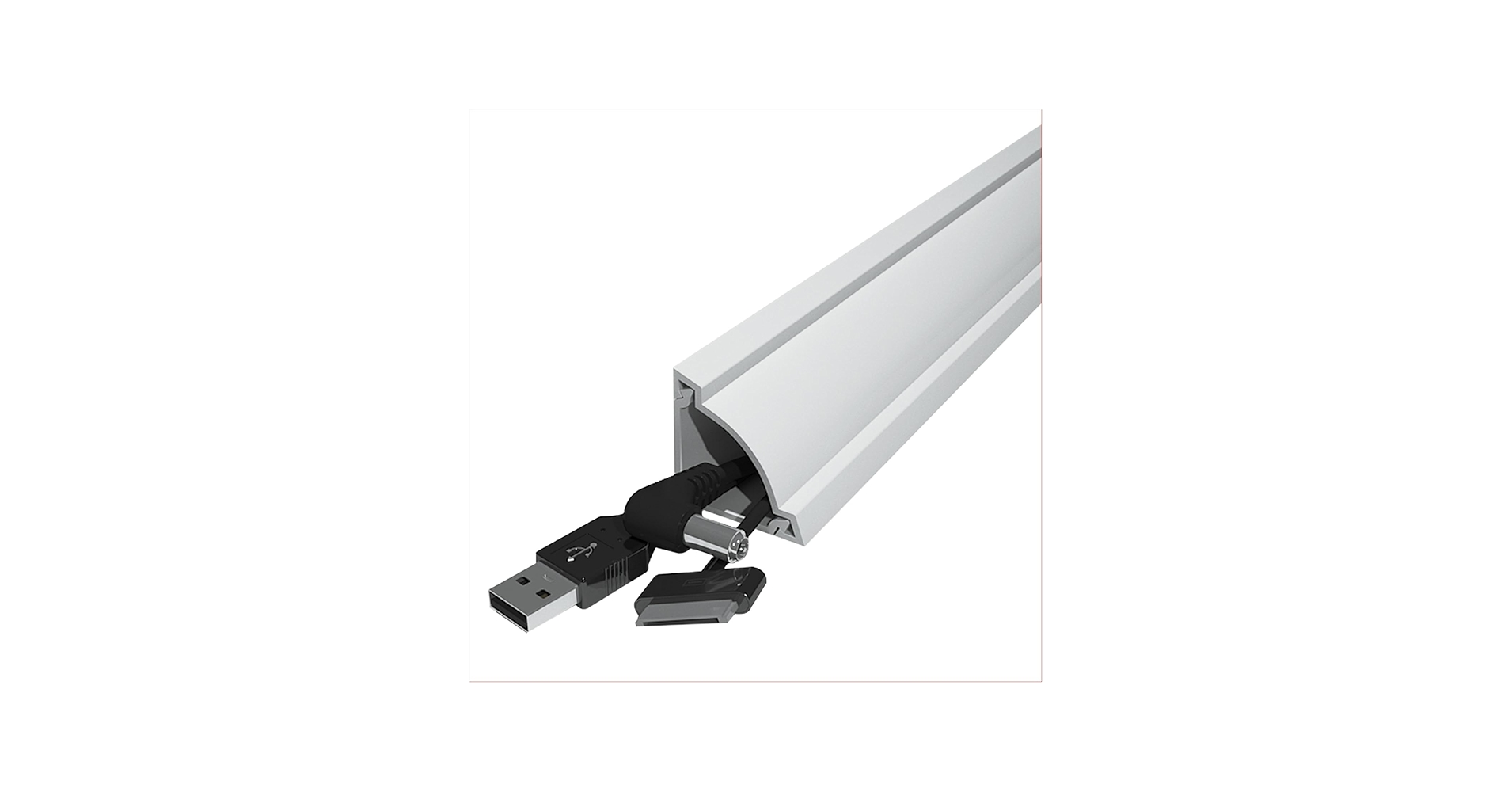
This kit stands out by providing an alternative to adhesive-only installation. Including a screw and anchor kit makes it a reliable choice for those with textured walls where tape would fail. The substantial length is perfect for running surround sound speaker wires around a room or concealing Ethernet cables along baseboards.
Key Specs
- Total Length: 125.6 inches (8 sections of 15.7 inches)
- Cable Capacity: Medium (est. 2-3 standard cables)
- Installation Method: Adhesive tape and/or screws with anchors
- Material: PVC
The Community Verdict
Market research indicates that users value options. The inclusion of screws is a significant plus for those who have had bad experiences with adhesive products or want a more permanent, secure mounting solution, especially in high-traffic areas or on difficult wall surfaces.
Dealbreaker
While versatile, the capacity appears to be a middle ground. It may not be large enough for a thick bundle of home theater cables, forcing users to choose a higher-capacity model.
85in Corner Cable Concealer – One-Cord Corner Duct
Pros
- Slim profile for an ultra-discreet appearance
- Perfect for concealing a single thick cable or two very thin ones
- Simple peel-and-stick installation
- Paintable to blend in perfectly with walls
Cons
- Very limited capacity; not for TV cable bundles
- Adhesive is not effective on textured walls
The Breakdown
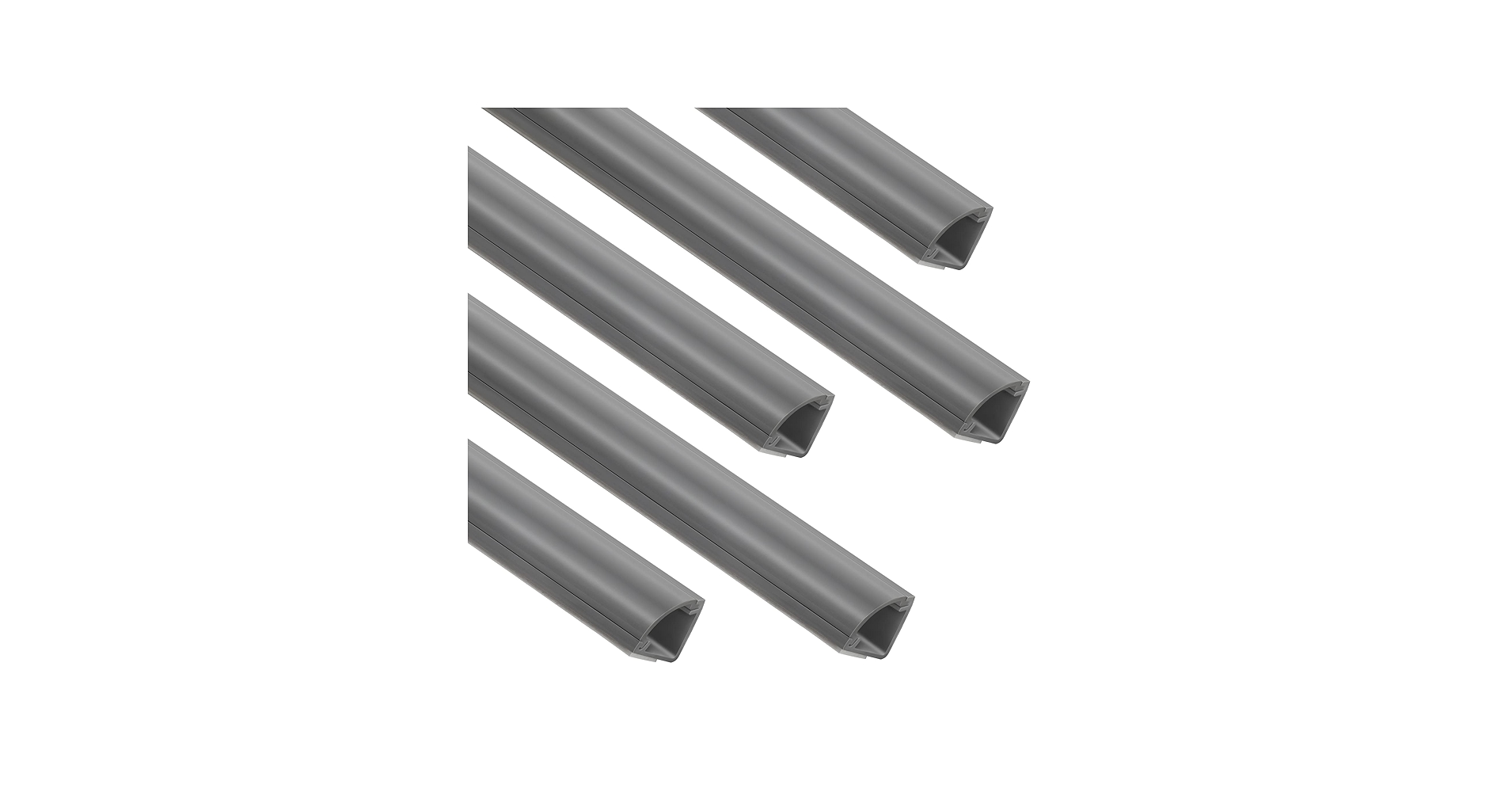
Sometimes, less is more. This one-cord duct is the ideal choice when you only have a single pesky wire to hide. Its slim design is less obtrusive than larger capacity raceways, making it the best option for maintaining a minimalist aesthetic while organizing thin cords for speakers, smart home devices, or network drops.
Key Specs
- Total Length: 85 inches (5 sections of 17 inches)
- Cable Capacity: Small (1 thick cable or 2 thin cords)
- Installation Method: Pre-applied adhesive tape
- Material: Hard PVC
The Community Verdict
Consensus among home networking enthusiasts is that solutions like this are perfect for finishing an Ethernet cable run. When a wire needs to be routed from a wall plate up to a mesh Wi-Fi node or computer, a slim corner duct provides a clean, professional-looking installation without the bulk of a larger channel.
Dealbreaker
Its biggest strength is also its weakness: the small capacity. If you ever need to add another cable to the run, you’ll likely need to replace the entire raceway.
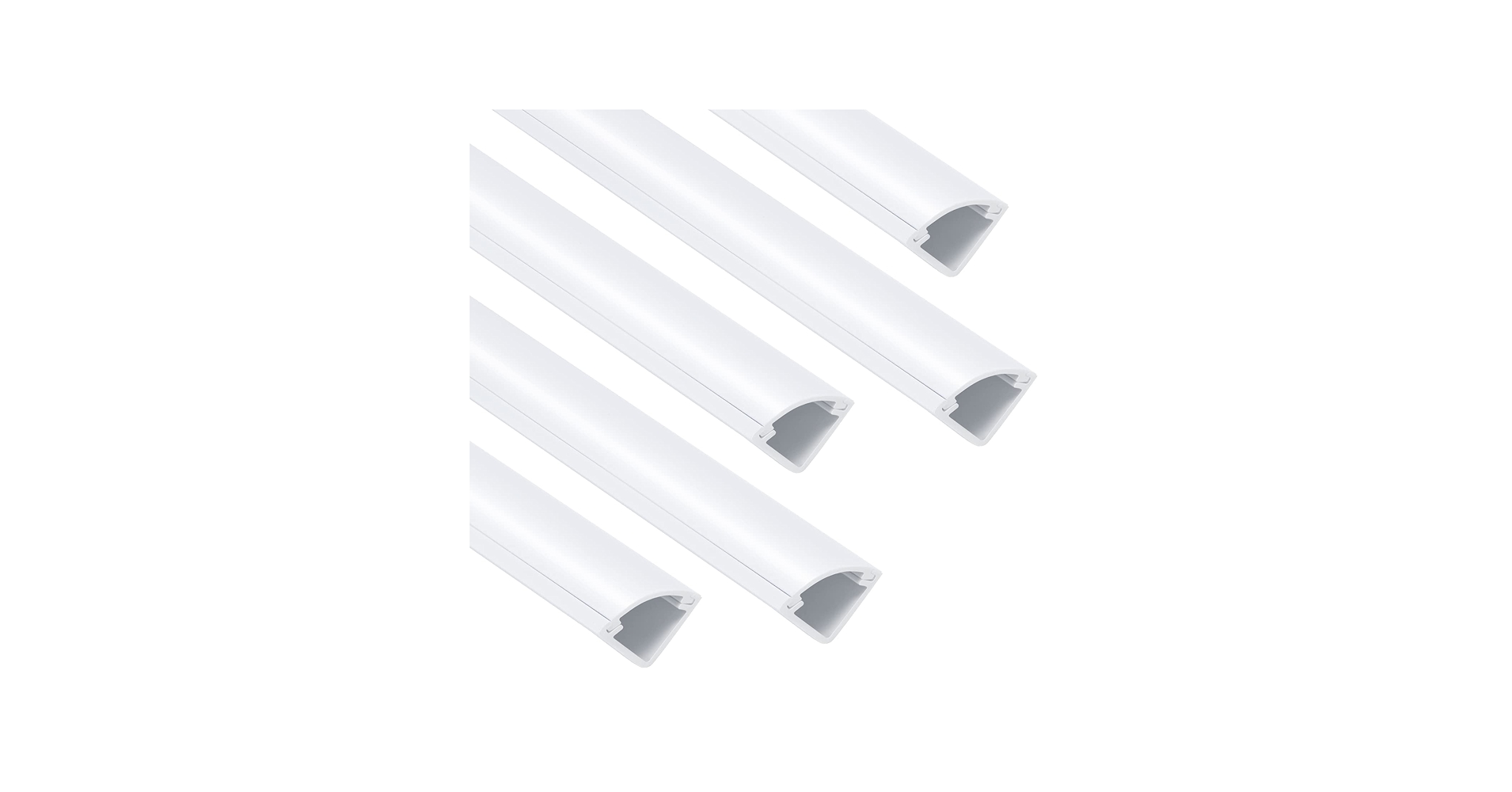
ZhiYo 85in Corner Cable Concealer, Corner Cord
Pros
- Standard 85-inch length fits most walls
- Easy peel-and-stick application
- Paintable PVC construction
- Popular and well-regarded choice in its category
Cons
- Only suitable for one or two small cords
- Adhesive is not for textured surfaces
The Breakdown
This is a solid, standard option for basic cable concealment. It mirrors the features of the other one-cord duct, offering 85 inches of paintable PVC channel that’s easy to cut and install. For straightforward jobs that don’t require high capacity or extra length, this popular model gets the job done reliably.
Key Specs
- Total Length: 85 inches
- Cable Capacity: Small (1-2 cables)
- Installation Method: Pre-applied adhesive tape
- Material: PVC
The Community Verdict
Market research shows that many buyers simply want a ‘does what it says on the tin’ solution. This type of basic corner duct is frequently purchased for quick fixes, like tidying up a single wire behind a new piece of furniture or concealing a power cord for a security camera, and it performs that task well.
Dealbreaker
Like its slim counterpart, its utility is limited by its small size. It’s a single-purpose solution that lacks the future-proofing of a larger-capacity raceway.
Best cable corner cover
Finding the right cable corner cover depends on balancing length, capacity, and ease of installation. These options represent the best choices for a variety of common organizational tasks, from hiding a single wire to managing a complex bundle from your entertainment center.
85in Corner Cable Concealer – One-Cord Corner Duct
Cons: Very limited capacity
Corner Cable Hider, 125.6in Cable Concealer
Cons: Medium capacity might not be enough for some
Corner Cable Concealer, 85-inch Cord Cover, Large
Cons: Tape won’t stick to textured walls
Best cord hider corner
When the goal is simply to make cords disappear, a dedicated cord hider for corners is the most elegant solution. These products are specifically designed to fit snugly into the 90-degree angle of a wall, providing a clean line that can be painted to become nearly invisible.
85in Corner Cable Concealer – One-Cord Corner Duct
Cons: Not for multiple or thick cords
Corner Cable Concealer, 85-inch Cord Cover, Large
Cons: Bulkier than single-cord models
Corner Cable Hider, 125.6in Cable Concealer
Cons: Screw installation is more work
Buying Guide: How to Choose a Cable Corner Cover
Selecting the right corner raceway comes down to assessing your specific needs. Before you buy, consider these key factors to ensure a clean and lasting installation.
Cable Capacity and Size
First, gather all the cables you intend to hide and assess their combined thickness. A single lamp cord requires a much slimmer raceway than a bundle of three thick HDMI cables and a power cord. Models are typically rated for a certain number of cables, so choose one that comfortably fits your current needs with a little extra room for a potential future addition.
Total Length and Sections
Measure the path the cables will take. Kits come in various total lengths, usually comprised of several smaller sections. Ensure the total length is sufficient for your run. Having multiple sections is beneficial as it allows you to create seamless connections without having to make difficult miter cuts on long pieces. For hiding cords along the floor, you may also want to check out our guide to the best cable raceway for baseboards.
Installation Method
The vast majority of these kits use pre-applied double-sided tape for installation. This is fast and easy but has a critical weakness: it does not adhere well to textured, rough, or dusty walls. If you have smooth drywall, tape is fine. If not, look for a kit that includes screws and wall anchors for a much more secure and permanent mounting solution. An alternative for single cables on a desk might be a simple black wire cover or sleeve.
Aesthetics and Material
Nearly all corner cable covers are made from white or off-white PVC, which is durable and easy to work with. Crucially, this material is paintable. To achieve a truly invisible look, plan to paint the cover with the same paint as your wall or ceiling. For added safety, especially near expensive electronics, look for models with a UL94 V-0 fire-resistance rating.
Frequently Asked Questions
Q: Can you paint a cable corner cover?
A: Yes, absolutely. Most PVC corner raceways are designed to be painted. For best results, lightly scuff the surface with fine-grit sandpaper or apply a coat of plastic primer before painting with your wall color. This ensures the paint adheres properly and matches your decor seamlessly.
Q: Will the adhesive tape on a corner cord hider damage my walls?
A: It can. The adhesive is designed to be strong, and when removed, it can sometimes peel off paint or the top layer of drywall paper. To minimize damage, you can gently heat the raceway with a hairdryer before slowly and carefully peeling it away from the wall. If you are concerned about damage, choose a kit that includes screws as an alternative.
Q: How do you cut a corner cable raceway to size?
A: The recommended tool is a fine-toothed hacksaw. To get a straight, clean cut, it’s helpful to use a miter box. This will ensure your ends are perfectly square so they line up cleanly with other sections or against the floor and ceiling.