
Achieving pristine audio fidelity isn’t just about the speakers you buy; it’s about where you place them. A proper desk shelf for studio monitors audio setup is critical for creating an accurate stereo image, minimizing desk reflections, and directing sound to your ears. In 2026, the market is filled with solutions designed to reclaim desk space and optimize your listening environment. We’ve analyzed the top contenders to help you elevate your sound without cluttering your minimalist workspace.
🚀 Quick Verdict / Top Pick
Gator Frameworks Desktop Clamp-On Studio Monitor
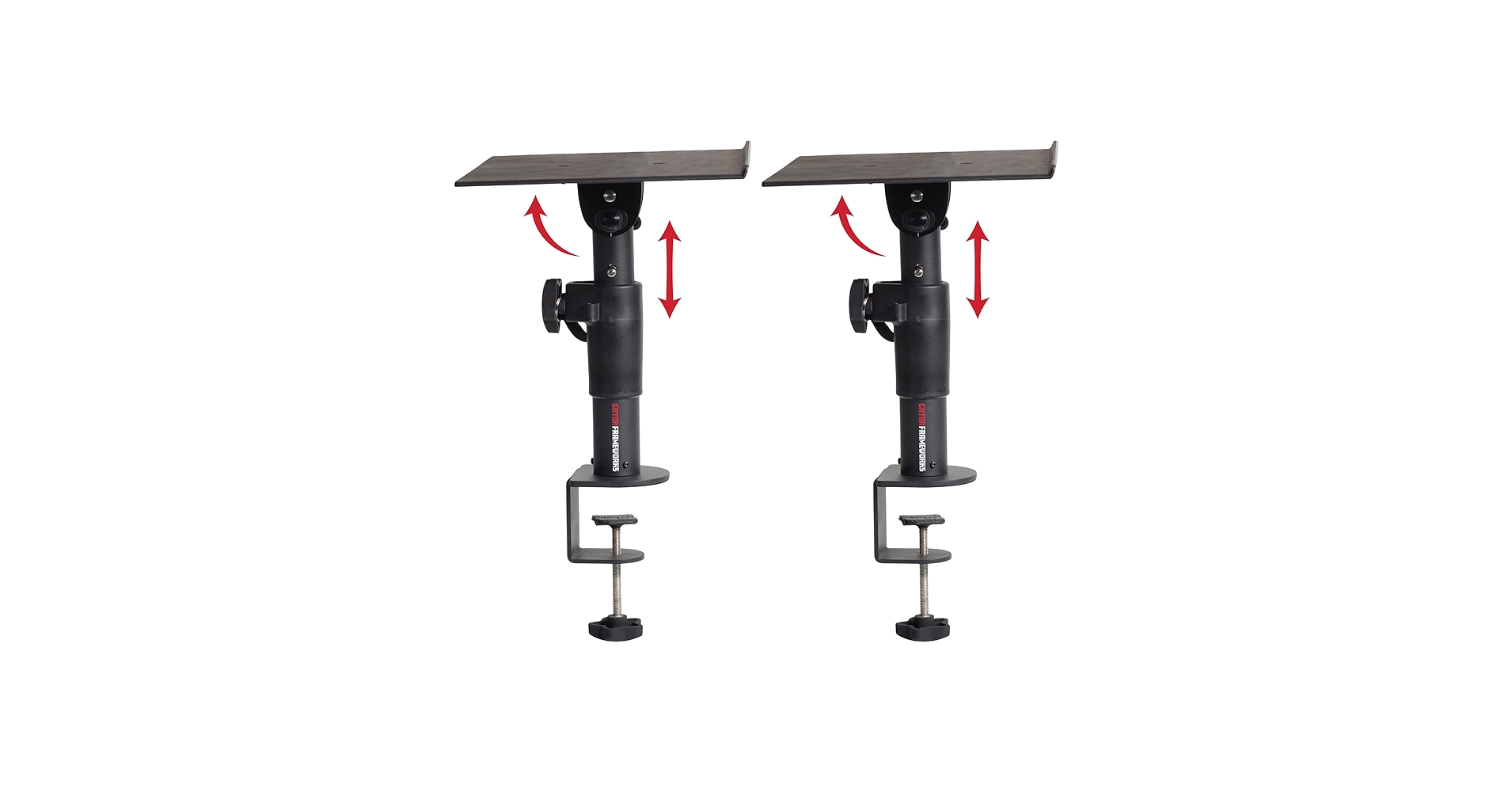
The Gator Frameworks stands out by offering robust build quality and a space-saving clamp design that outperforms freestanding risers in stability and desk real estate.
Comparison Table
| Product | Mounting Type | Adjustability | Weight Capacity | Best For |
|---|---|---|---|---|
| Gator Frameworks Clamp-On | Desk Clamp | Height (10.2″-13.5″), Tilt (0-15°) | 60 lbs | Saving Desk Space |
| HOPWELL Desktop Stands | Freestanding Riser | Tilt (±5°) | 18 lbs | Small, Lightweight Speakers |
| WALI Desktop Stand Riser | Freestanding Riser | Fixed | 22 lbs | Minimalist Setups |
| PUTORSEN Desk Speaker Stands | Desk Clamp | Height (10.4″-14.9″), Tilt (±12°) | 33 lbs | Maximum Adjustability |
| Studio Monitor Stands for PreSonus | Freestanding Riser | Tilt (±8°) | 26 lbs | Acoustic Isolation |
Detailed Reviews 2026
Gator Frameworks Desktop Clamp-On Studio Monitor
Pros
- Excellent weight capacity for heavy monitors
- Clamp design frees up valuable desk surface
- Reputable brand known for durable gear
Cons
- Requires a desk with a suitable edge for clamping
- Higher price point than basic riser stands
The Breakdown: Gator Frameworks is a trusted name in music gear, and this stand reflects that reputation. Market research indicates its all-steel construction and secure clamp provide a level of stability that freestanding risers often lack. The design allows for both height and tilt adjustments, ensuring you can dial in the perfect listening position.
Key Specs:
- Mounting Type: Desk Clamp (up to 2.25″ thickness)
- Adjustability: 10.2″ to 13.5″ Height, 0° to 15° Tilt
- Weight Capacity: 60 lbs
- Platform Size: 12″ x 9″
The Community Verdict: Users consistently praise the rock-solid build and the amount of desk space it liberates. The large platform is a frequently mentioned positive, comfortably accommodating 8-inch monitors. Some feedback notes that the adjustment knobs can be stiff initially, but this is a minor issue for most.
Dealbreaker: Skip this if your desk is made of a fragile material like glass or has an edge thicker than 2.25 inches.
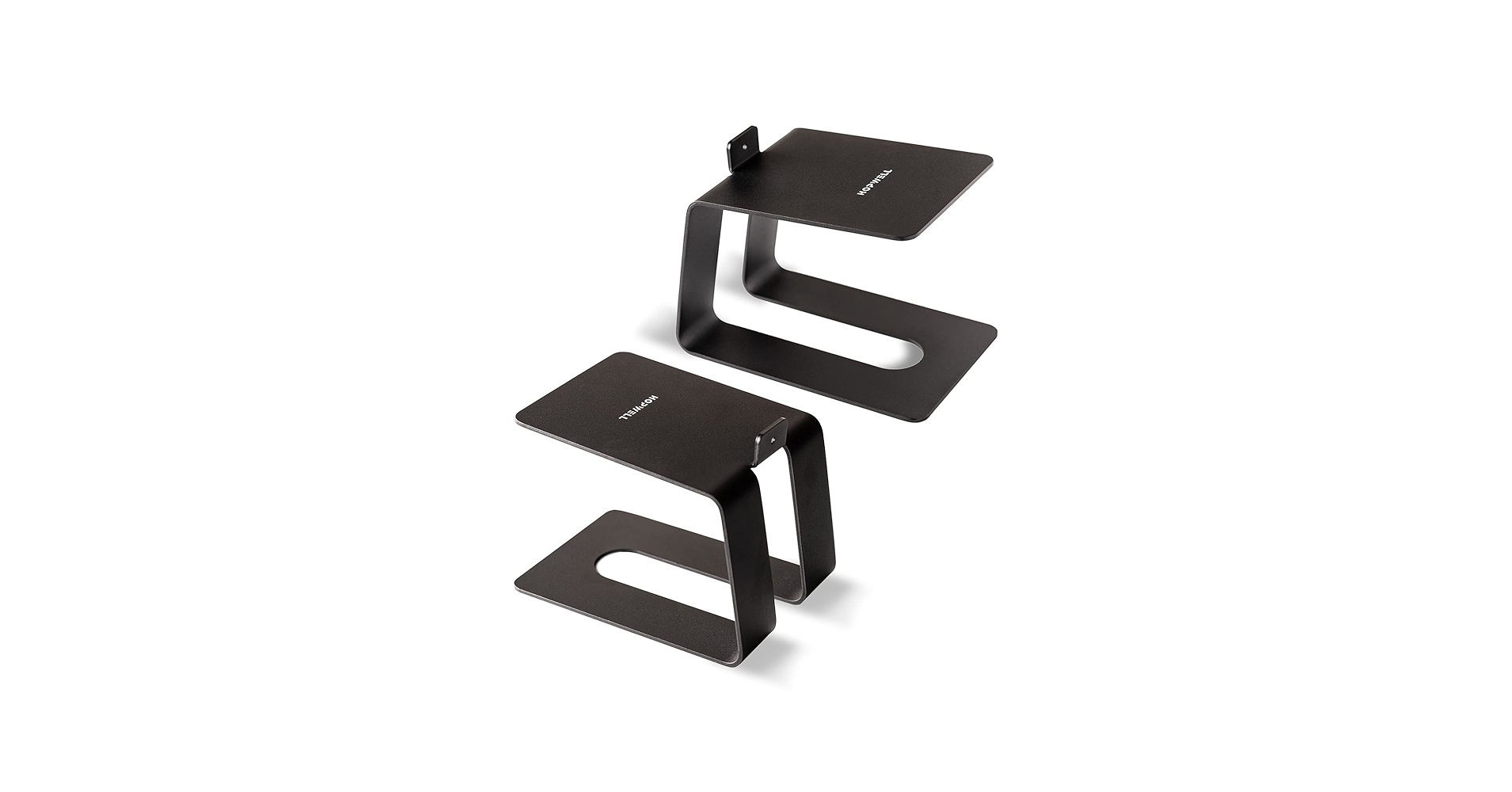
HOPWELL Desktop Speaker Stands, Pair
Pros
- Minimalist C-shaped design
- Includes silicone pads for vibration dampening
- Tool-free assembly
Cons
- No height adjustment
- Low weight capacity not suitable for larger monitors
The Breakdown: The HOPWELL stands are a straightforward, no-frills solution. Their primary function is to lift smaller speakers off the desk surface to reduce reflections and provide a slight upward tilt. The metal construction is simple but effective for its intended use case.
Key Specs:
- Mounting Type: Freestanding Riser
- Adjustability: ±5° Tilt
- Weight Capacity: 18 lbs
- Platform Size: 5.1″ x 6.3″
The Community Verdict: The consensus is that these are excellent value for small desktop speakers like the popular PreSonus Eris 3.5 or iLoud Micros. Owners report a noticeable improvement in clarity by getting the speakers off the desk. However, many users caution against using them with anything larger than a 5-inch monitor due to the small platform size and weight limit.
Dealbreaker: Skip this if you need to adjust the height of your monitors or own speakers heavier than 18 lbs.
WALI Desktop Speaker Stand Riser, Desk Studio

Pros
- Sleek, unobtrusive design
- Creates usable storage space under the speaker
- Sturdy build with anti-slip padding
Cons
- Completely fixed with no adjustments
- Relatively low height increase (5 inches)
The Breakdown: The WALI stand is more of a universal riser than a dedicated, adjustable monitor stand. Its strength lies in its simplicity and clean aesthetic, matching a minimalist desk setup perfectly. This design elevates speakers by a fixed 5 inches, which can be ideal for some setups, and creates a convenient nook for small audio interfaces or hard drives.
Key Specs:
- Mounting Type: Freestanding Riser
- Adjustability: None (Fixed 5″ Height)
- Weight Capacity: 22 lbs
- Platform Size: 7.1″ x 8.7″
The Community Verdict: Most buyers appreciate the build quality and aesthetic for the price. They are often used for more than just speakers, such as small printers or display screen risers. Audio-focused users find them sufficient for getting speakers off the desk but note the lack of tilt is a limitation for critical listening.
Dealbreaker: Skip this if you need any form of angle or height adjustment to align tweeters with your ears.
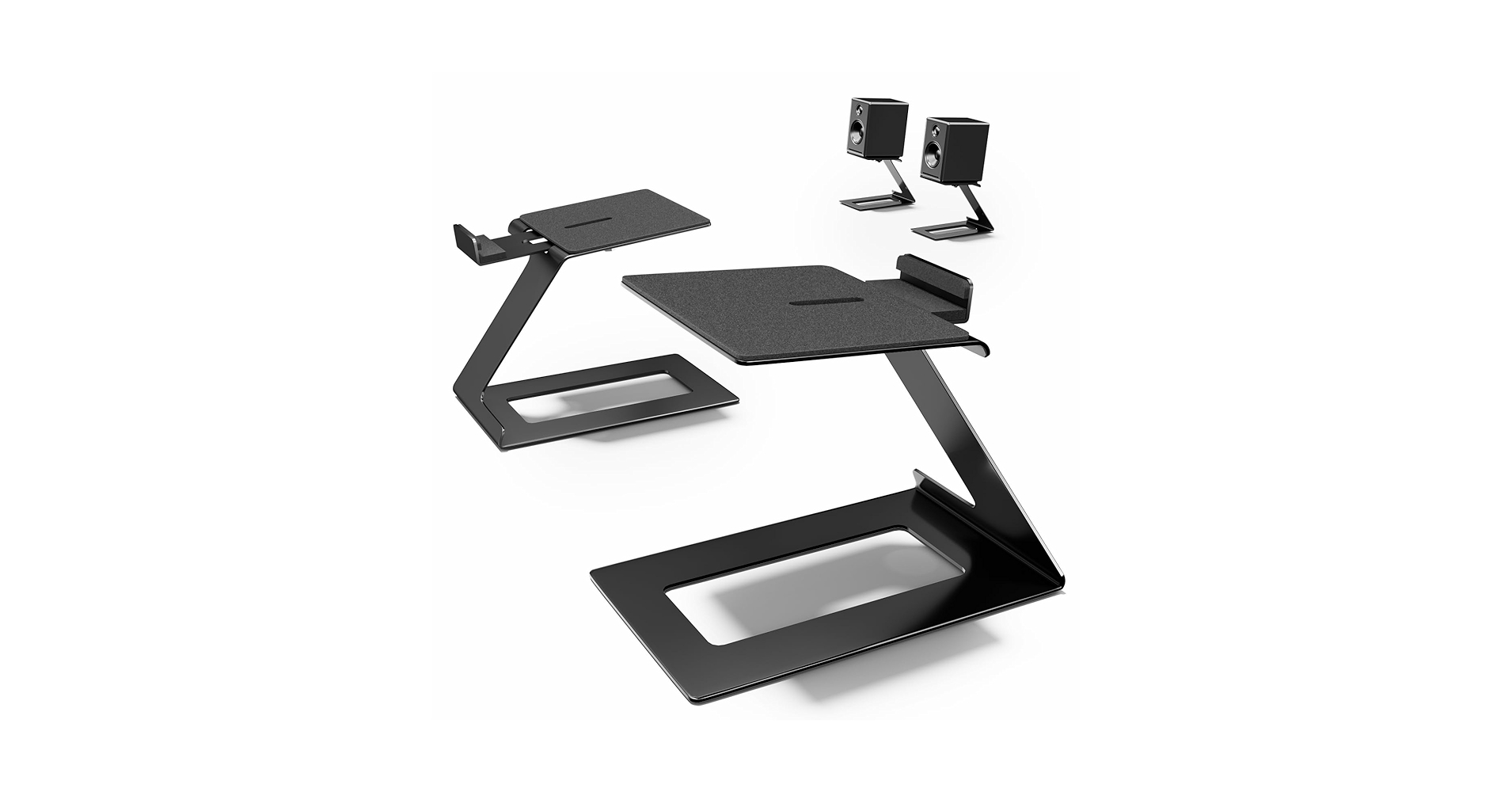
PUTORSEN Desk Speaker Stands,Desktop Speaker
Pros
- Extensive height and tilt range
- 360-degree rotation for easy adjustment
- Integrated cable management clips
Cons
- Assembly can be more complex than simpler models
- Lower weight capacity than the Gator Frameworks
The Breakdown: The PUTORSEN stands are a direct competitor to the Gator Frameworks but prioritize granular adjustability. Offering a wider range of height, tilt, and full 360° rotation, they are built for those who need to frequently tweak their listening sweet spot. The inclusion of cable management is a thoughtful touch for maintaining a clean setup.
Key Specs:
- Mounting Type: Desk Clamp (up to 2.1″ thickness)
- Adjustability: 10.4″ to 14.9″ Height, ±12° Tilt, 360° Swivel
- Weight Capacity: 33 lbs
- Platform Size: 8.7″ x 7.9″
The Community Verdict: User reviews highlight the incredible flexibility as the main selling point. The ability to easily rotate the speakers is praised by those who use their desk for multiple tasks (e.g., mixing vs. casual listening). Some reports mention that the build doesn’t feel quite as over-engineered as the Gator, making it better suited for monitors under the 33 lb limit.
Dealbreaker: Skip this if you have heavy monitors (over 30 lbs) or prefer a simpler, set-and-forget installation.
Studio Monitor Stands for PreSonus, JBL Nano K

Pros
- Comes with four types of isolation pads
- Large, stable base
- Decent tilt range for a riser
Cons
- Takes up a significant amount of desk space
- Fixed height may not be optimal for all users
The Breakdown: This stand focuses heavily on decoupling the speaker from the desk surface. By providing multiple types of isolation pads, it aims to minimize the transfer of vibrations, which can color the sound. The wide base and top plate offer a very secure platform for speakers, inspiring more confidence than narrower C-shaped designs.
Key Specs:
- Mounting Type: Freestanding Riser
- Adjustability: ±8° Tilt
- Weight Capacity: 26 lbs
- Platform Size: 8.66″ x 7.08″
The Community Verdict: Owners frequently comment on the stability and the audible improvement from the included isolation pads. The consensus is that these are a fantastic choice for 5-inch monitors like the JBL 305P or Yamaha HS5. The main drawback cited is the large footprint, which can be a problem on smaller desks.
Dealbreaker: Skip this if desk real estate is at a premium or you require height adjustment.
Buying Guide: Choosing the Right Desk Shelf for Studio Monitors
Selecting the right stand involves more than just picking one that fits your speaker. Consider these key factors to ensure you make the best investment for your audio setup.
1. Mounting Type: Clamp vs. Freestanding
Your primary decision is how the stands will interface with your desk. Clamp-on models (like the Gator and PUTORSEN) attach to the edge of your desk, freeing up the entire surface below. This is the ultimate space-saving solution but requires a sturdy desk with an accessible edge. Freestanding risers (like the HOPWELL and WALI) simply sit on your desk. They are more versatile in terms of placement but will always occupy a footprint on your work surface.
2. Adjustability: The Key to a Perfect Sweet Spot
The goal is to position your monitor’s tweeters at ear level. Stands with height adjustment are invaluable for achieving this. Tilt adjustment is also crucial for fine-tuning the angle, especially if the height isn’t perfect. For maximum precision, look for models that offer both.
3. Capacity and Stability
Always check the weight capacity of the stand and compare it to the weight of your studio monitors—don’t cut it close. Look for all-metal construction and a wide, stable base or a robust clamping mechanism. The last thing you want is your expensive audio gear taking a tumble.
4. Desk Ecosystem and Ergonomics
Consider how these stands fit into your overall workspace. An organized setup can improve focus and workflow. A cluttered desk can be a distraction, so managing wires with the best cable clips for thick cables becomes essential once your stands are in place. Furthermore, proper ergonomics don’t stop at your ears; for those long mixing sessions, pairing your setup with an adjustable footrest for short legs can help maintain correct posture and reduce fatigue.
Frequently Asked Questions (FAQ)
1. Do speaker stands actually improve sound quality?
Yes. By lifting speakers off the desk, you reduce sound reflections from the surface, which can muddy the audio. They also help decouple the speaker, preventing vibrations from transferring into the desk and creating unwanted resonance. Finally, proper positioning allows you to hear the audio as the engineers intended.
2. How high should my studio monitors be?
The general rule of thumb is to position the tweeters (the smaller drivers on your monitors) at the same height as your ears when you are in your normal listening position. This creates the most direct and accurate sound path.
3. Can I use books instead of stands?
While books can add height, they are a poor substitute. They don’t offer any tilt adjustment and do a poor job of isolating vibrations. Dedicated stands with padding are a significant and worthwhile upgrade for anyone serious about audio.
Read More on TechForDesk
- The 5 Best Clamp On Desk Shelf For Monitors in 2026
- The 5 Best Portable Monitor Riser for Laptops in 2026 (Travel Edition)
- The 5 Best Monitor Stand for College Dorm Desks (2026 Budget Picks)
- The 5 Best Monitor Riser for Neck Pain in 2026: An Ergonomic Guide
- The Best Cable Raceway for Baseboards in 2026: An Aesthetic Guide