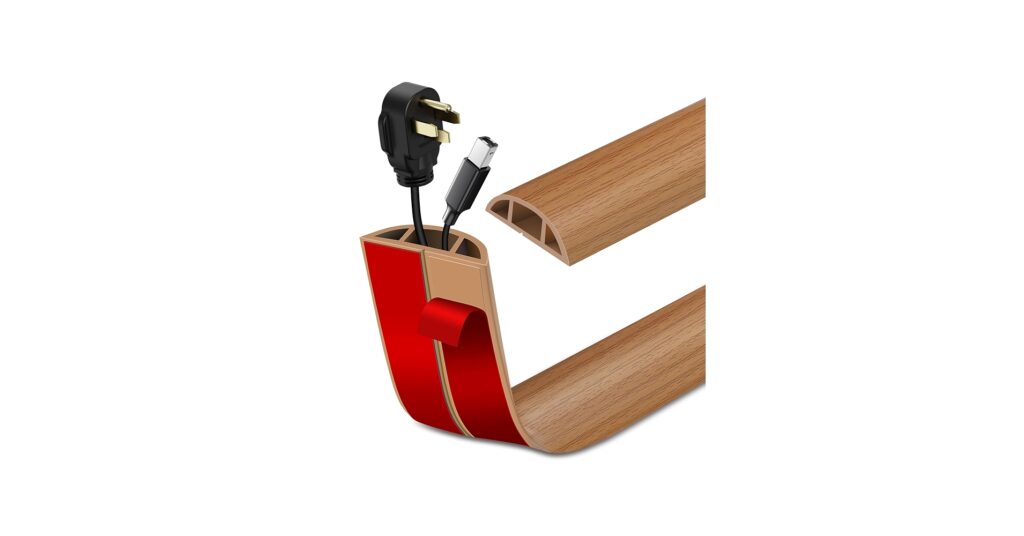
A clean, minimalist desk setup is often ruined by one thing: cable clutter. A stray power strip or a visible charging cable can instantly disrupt the aesthetic and, more importantly, create a trip hazard. An extension cord hider is the definitive solution, offering a sleek and safe way to manage wires on floors and walls. Whether you’re organizing a home office, a workshop, or a living room entertainment center, the right cable management system can transform your space from chaotic to composed. This guide breaks down the top options on the market to help you find the perfect fit for your needs.
🚀 Quick Verdict / Top Pick
Floor Cord Cover Self Adhesive Cord Hider Floor
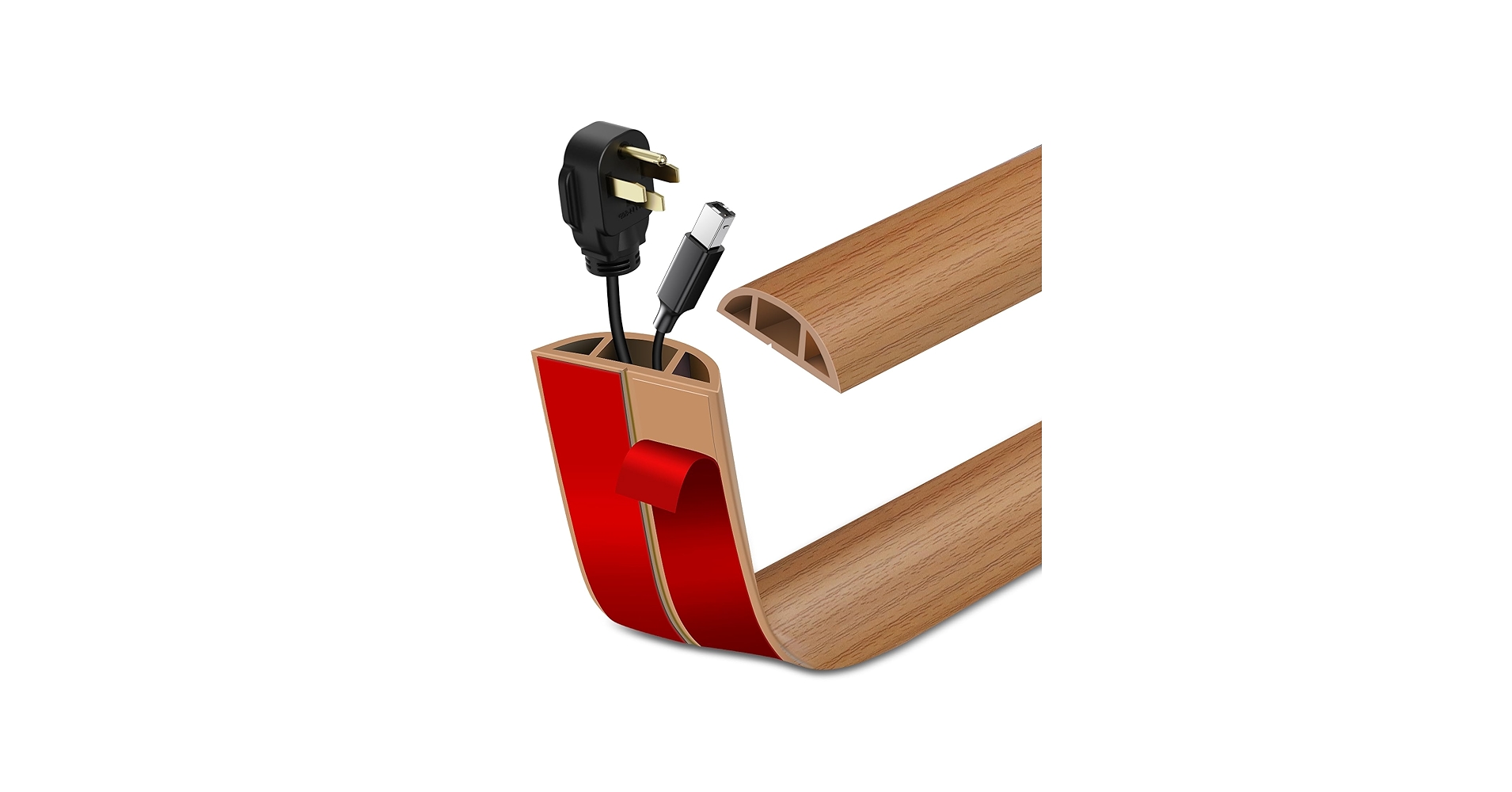
It stands out for its superior flexibility, strong self-adhesive backing, and wide range of color options, making it the most versatile and user-friendly floor solution for nearly any decor or surface type.
Comparison Table
| Product | Material / Type | Installation | Best For |
|---|---|---|---|
| Floor Cord Cover Self Adhesive | Flexible PVC | Self-Adhesive | All-Purpose Floor Use |
| D-Line 6ft Floor Cord Cover | Heavy-Duty PVC | Drop-Over | High-Traffic Areas |
| Wire Covers for 2 Cords | Rigid PVC Raceway | Self-Adhesive (Wall) | Wall-Mounted Cables |
| ZhiYo Floor Cord Cover 4ft | Flexible PVC | Self-Adhesive | Single Thin Cords |
| ZhiYo Cord Hider for One Wire | Rigid PVC Raceway | Self-Adhesive (Wall) | Single Wall Cord |
Detailed Product Reviews
Floor Cord Cover Self Adhesive Cord Hider Floor
Pros
- High-quality, flexible PVC material is easy to cut to any length.
- Strong self-adhesive backing sticks securely to hardwood, tile, and carpet.
- Low-profile design prevents trips and allows wheels to roll over easily.
Cons
- Ships coiled and may require some time to lay completely flat.
- Adhesive may be too strong for delicate or finished surfaces.
The Breakdown
This cord hider excels in its simplicity and effectiveness. The flexible PVC material makes it adaptable to corners and curves, while the strong adhesive ensures a hassle-free installation without tools. Its low, tapered profile is designed to blend into the floor, protecting cables from damage and preventing trip hazards in various settings like homes, offices, and workshops.
Key Specs
- Material: Flexible PVC
- Installation: Self-Adhesive Tape
- Profile: Low, Tapered
- Application: Floor (Hardwood, Tile, Carpet)
The Community Verdict
Online discussions and user reviews consistently praise self-adhesive floor covers for their ease of use. Many users, particularly in communities like r/DeskCableManagement, highlight the clean look achieved with minimal effort. The ability to cut the hider to a specific length is a frequently mentioned benefit for custom setups.
Dealbreaker
If you need to frequently add or remove cables, the strong adhesive backing could become a drawback. It’s designed for a more permanent installation and may be difficult to reposition without damaging the adhesive or the floor surface.
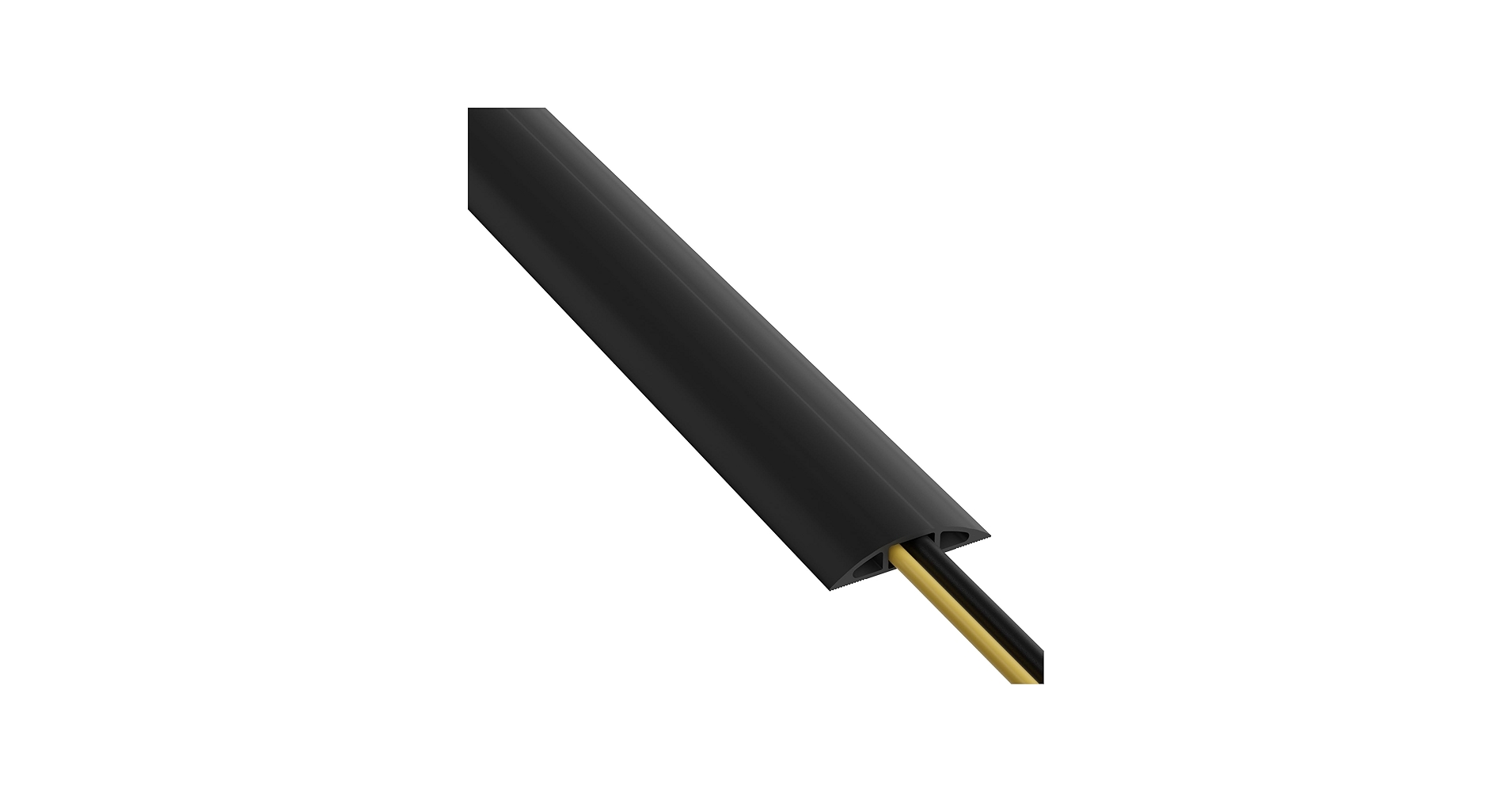
D-Line 6ft Floor Cord Cover, Cable Protector, Hide
Pros
- Heavy-duty PVC construction is highly durable.
- Pre-split back for easy cable insertion.
- Lies flat easily without needing heat treatment.
Cons
- Does not come with pre-applied adhesive tape.
- Bulkier profile compared to minimalist options.
The Breakdown
The D-Line Floor Cord Cover is a workhorse, built for durability over aesthetics. It’s a popular choice for environments with rolling chairs or heavy foot traffic, effectively protecting cables from being crushed. While it lacks adhesive, this allows for easy repositioning or securing with your own choice of double-sided tape if needed.
Key Specs
- Material: Heavy-Duty Flexible PVC
- Installation: Drop-Over (Tape optional)
- Profile: Medium, Tapered
- Application: High-Traffic Floors
The Community Verdict
Market research indicates this product is a go-to for functional, heavy-duty applications. It is frequently recommended in forums for workshop, garage, or even outdoor temporary setups due to its robust build. Users appreciate that it uncoils and lies flat without much effort.
Dealbreaker
Its more industrial design and lack of color options mean it won’t seamlessly blend into a modern, minimalist living room or office space as well as other models.
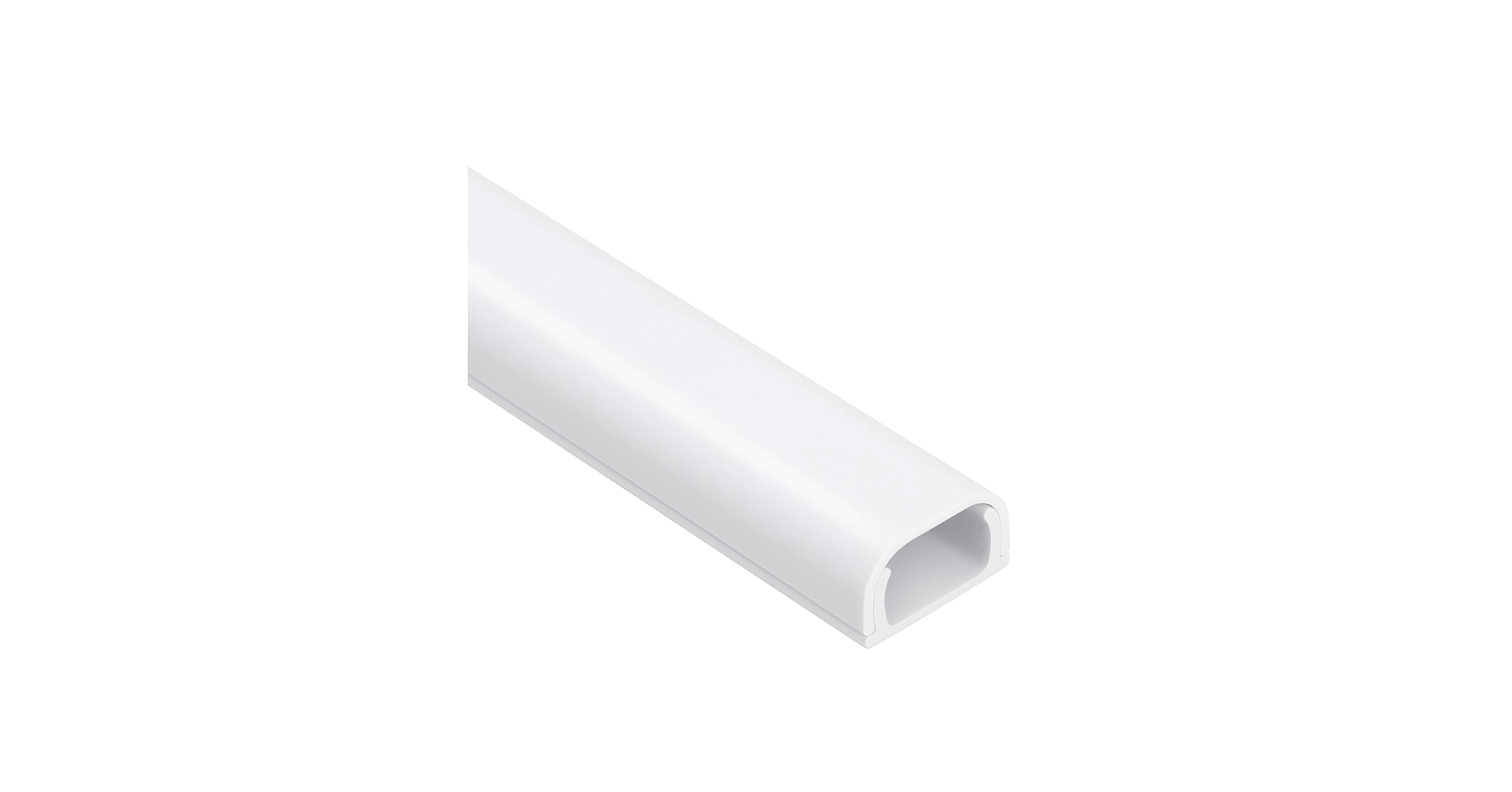
Wire Covers for 2 Cords, 68in (4X L17in) Wire Hider
Pros
- Paintable surface to match any wall color.
- Sectional design allows for custom lengths.
- Designed specifically for wall applications.
Cons
- Not suitable for floor use or high-traffic areas.
- Limited capacity, fits only one or two small cables.
The Breakdown
This product is a cable raceway, a specialized extension cord hider for walls. It’s the ideal choice for concealing wires from a wall-mounted TV, soundbar, or speakers. The ability to paint the cover makes it virtually invisible against the wall, providing the cleanest possible look for vertical cable runs.
Key Specs
- Material: Rigid PVC Raceway
- Installation: Self-Adhesive (Wall)
- Profile: Rectangular
- Application: Wall, Baseboard
The Community Verdict
The consensus is that paintable raceways are the gold standard for hiding cables on walls. Users often share before-and-after photos showcasing dramatic improvements in their entertainment setups. The primary praise is directed at how effectively they blend into the background once painted.
Dealbreaker
This is not a floor cover and should not be used as one. Its rigid plastic construction and profile are not designed to be walked on and would present a significant trip hazard if placed on the floor.
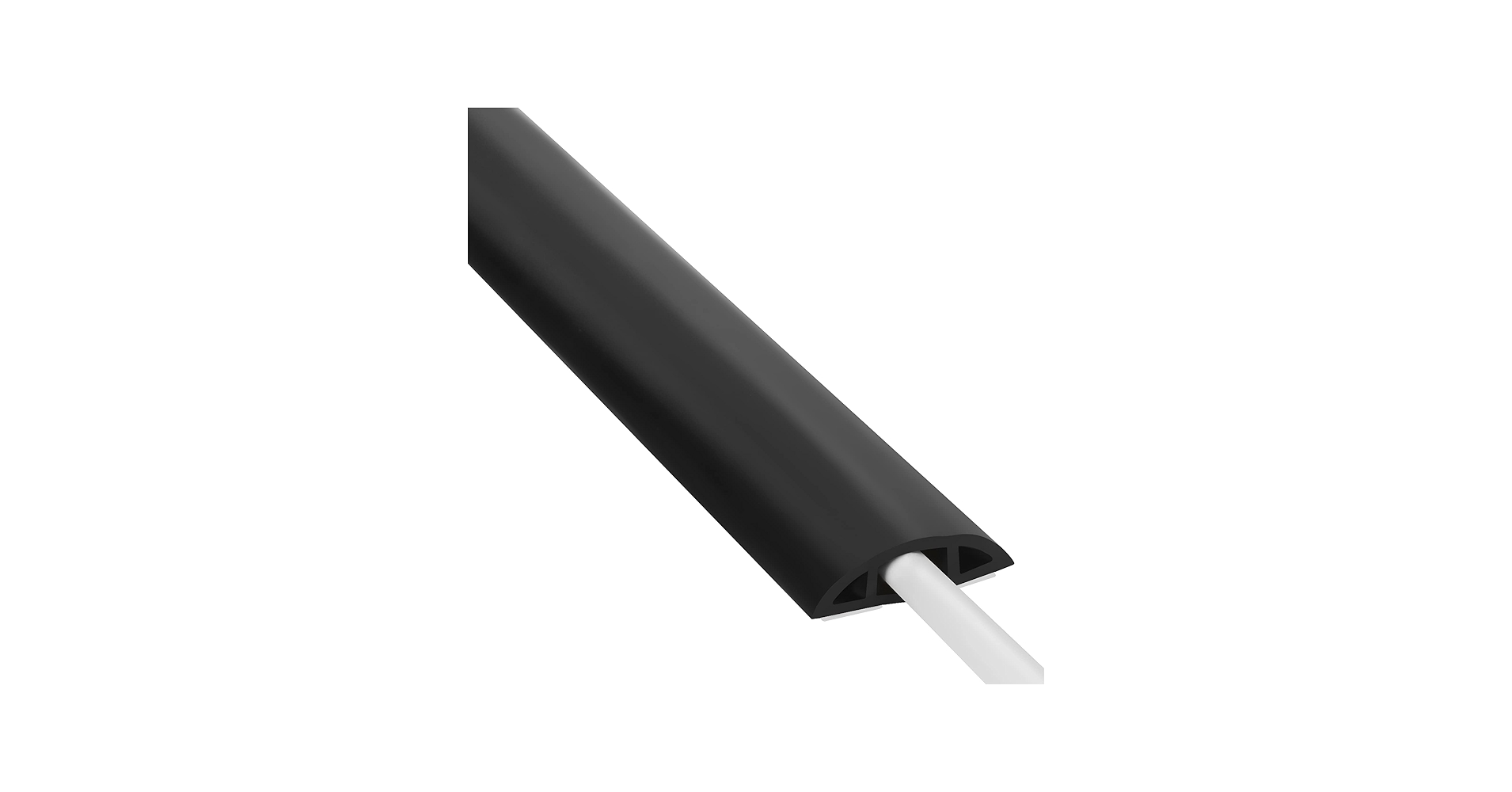
ZhiYo Floor Cord Cover 4ft, Cord Hider Floor Black, Cable
Pros
- Ultra-low profile for concealing a single cable.
- Flexible PVC is easy to cut and manage.
- Includes strong adhesive tape for secure installation.
Cons
- Very small inner channel; will not fit a standard extension cord.
- Cable diameter must be less than 7mm.
The Breakdown
The ZhiYo single-cable cover is a specialist tool. It’s designed for those specific situations where you just need to run one thin cable across an open space discreetly. It’s perfect for speaker wire, phone chargers, or ethernet cables, providing a smooth, trip-free surface that is barely noticeable.
Key Specs
- Material: Flexible PVC
- Installation: Self-Adhesive Tape
- Capacity: Single cable (under 7mm diameter)
- Application: Floor
The Community Verdict
Feedback shows that users who purchase this for its intended purpose are highly satisfied. The most common advice is to measure your cable’s diameter before ordering. Those who do find it to be an elegant and effective solution for their specific need.
Dealbreaker
This product has virtually no versatility. It is useless for hiding a standard power strip cord or multiple wires, so it’s critical to ensure your cable fits the narrow 7mm channel.
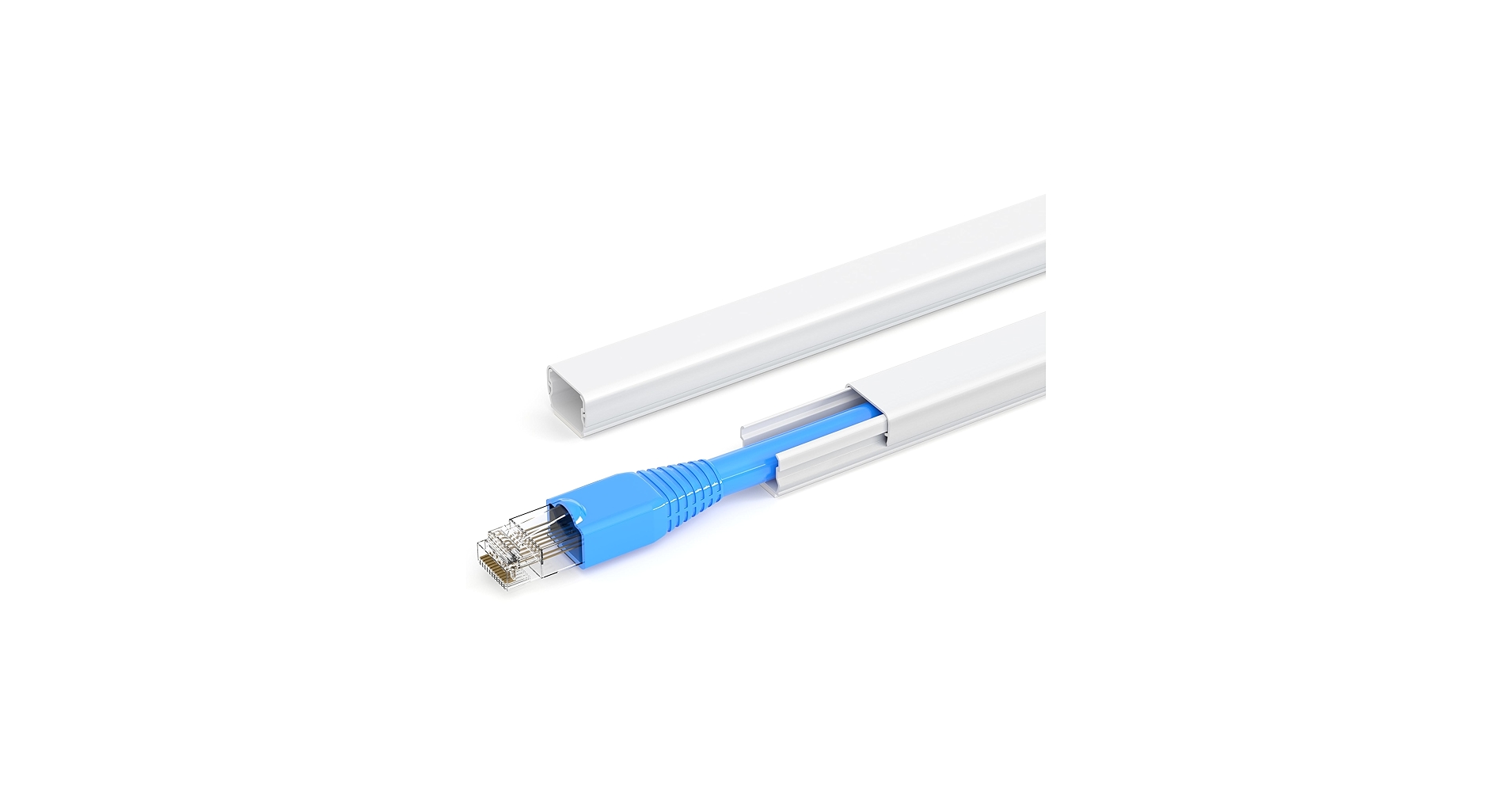
ZhiYo Cord Hider for One Wire, 102in Cable Hider
Pros
- Extremely slim and discreet profile.
- Paintable to blend seamlessly with walls.
- Simple peel-and-stick installation.
Cons
- Wall use only.
- Very minimal capacity; strictly for one thin wire.
The Breakdown
This is the wall-mounted equivalent of the single-cable floor cover. It offers the most discreet way to hide a single, thin wire running vertically or horizontally on a wall. Once painted to match the wall color, it becomes almost invisible, making it perfect for smart home devices, thin speaker wires, or phone charging cables.
Key Specs
- Material: Rigid PVC Raceway
- Installation: Self-Adhesive (Wall)
- Capacity: Single thin wire
- Application: Wall, Baseboard
The Community Verdict
Online reviews show this is highly regarded for its minimalist aesthetic. Users report success in hiding cables for wall-mounted clocks, baby monitors, and security cameras. The paintable feature is, again, the most celebrated aspect.
Dealbreaker
Do not attempt to fit a TV power cord or standard extension cord into this raceway. It is designed for low-voltage or very thin cables only, and forcing larger wires will not work.
Best cover for extension cord
When safety is the primary concern, especially outdoors or in heavy-duty environments, a dedicated extension cord cover is essential. These products are designed to protect cord connections from the elements and physical damage. Here are our top picks for specifically covering and protecting extension cords.
![Flemoon [3 Pack] Outdoor Extension Cord Safety Cover with](https://techfordesk.com/wp-content/uploads/2026/01/flemoon-3-pack-outdoor-extension-8119.jpg)
Flemoon [3 Pack] Outdoor Extension Cord Safety Cover
Cons: Bulky and not designed for indoor aesthetics
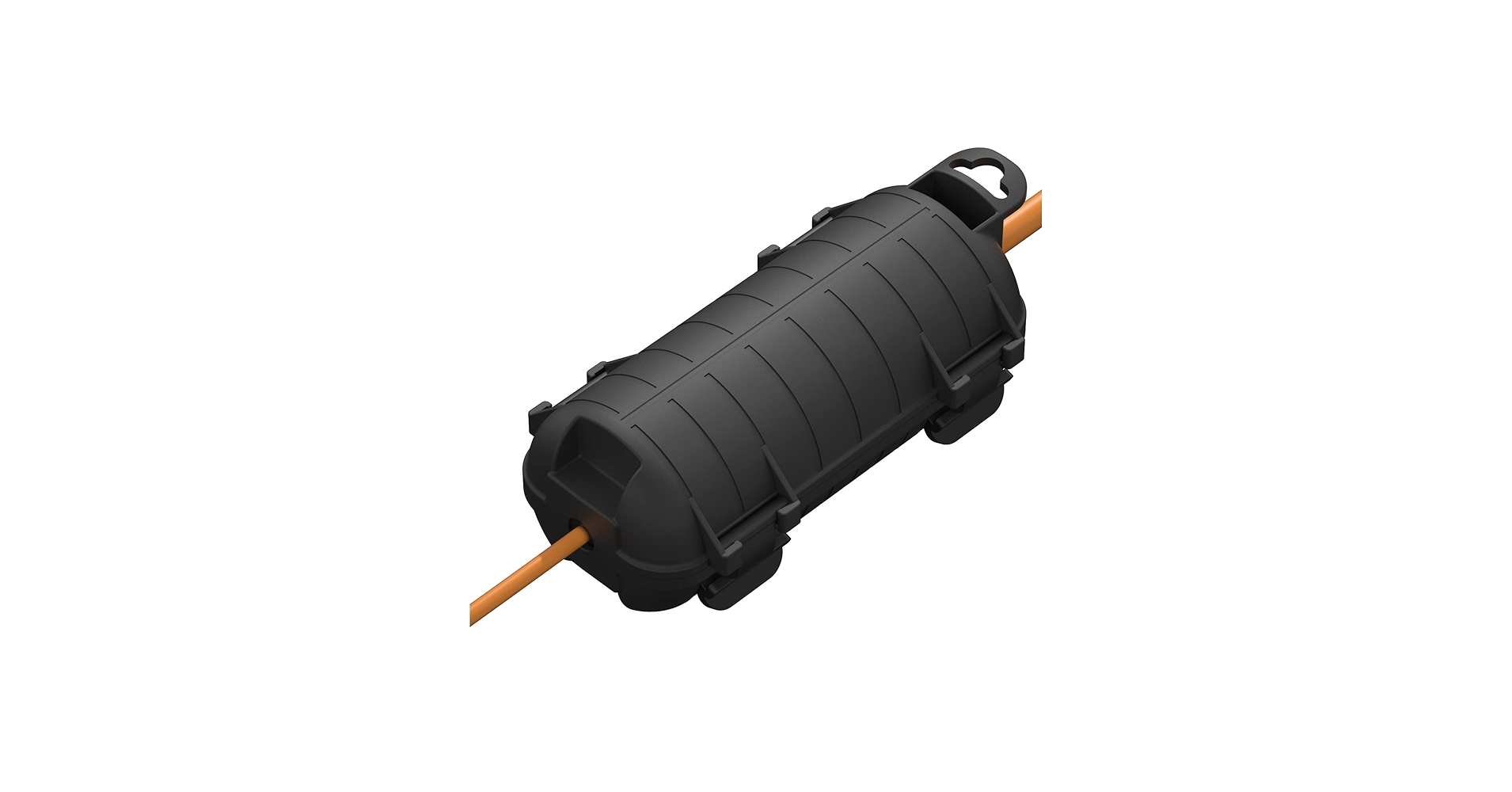
Extension Cord Cover Outdoor, Cord Connector Protector IP54
Cons: For outdoor connection points only, not for running along floors
Floor Cord Cover Self Adhesive Cord Hider Floor
Cons: Not rated for outdoor weather protection
Best extension cord hider
For general-purpose cord hiding and organization, the focus shifts to a balance of aesthetics, ease of installation, and capacity. These are the top performers that offer a clean look for everyday use in homes and offices. They excel at blending into the environment while keeping cables tidy and safe.
Floor Cord Cover Self Adhesive Cord Hider Floor
Cons: May need time to flatten after uncoiling
D-Line 6ft Floor Cord Cover, Cable Protector, Hide
Cons: Bulkier profile than other options
Wire Covers for 2 Cords, 68in (4X L17in) Wire Hider
Cons: Strictly for wall use, not for floors
Buying Guide: How to Choose an Extension Cord Hider
Choosing the right cord hider involves more than just picking the first one you see. Consider these factors to ensure you get a product that fits your needs perfectly.
Location: Floor vs. Wall
First, decide where the cables are. For wires crossing a room, a low-profile, durable floor cover is non-negotiable to prevent trips. For cables running from a wall-mounted TV or along a baseboard, a paintable wall raceway will provide a much cleaner, integrated look. Never use a wall raceway on the floor.
Capacity and Cable Size
Before you buy, gather the cables you intend to hide. Are you concealing a single thin speaker wire or a thick, heavy-duty extension cord? Check the product’s inner channel dimensions to ensure your cables will fit comfortably. Trying to stuff too many cables into a small channel will prevent it from closing properly.
Material and Installation
Flexible PVC is great for floors as it’s durable and easy to cut. For a more permanent and integrated solution, especially on walls, a complete cable management system is best, starting with an office desk with cord management. For installation, self-adhesive backing is the most user-friendly option for both floors and walls, while simple drop-over covers offer flexibility for temporary setups. For smaller jobs, a simple adhesive cord holder can work wonders behind a desk or nightstand.
Frequently Asked Questions
1. How do you hide extension cords on the floor?
The best way is with a dedicated floor cord cover. These come in two main types: self-adhesive models that stick directly to the floor for a secure fit, and drop-over models that simply lie on top of the cables. Choose one with a low, tapered profile to minimize trip hazards.
2. Can you put a floor cord hider on carpet?
Yes, most floor cord hiders can be used on carpet. Self-adhesive versions work best on low-pile carpets where the tape can get a firm grip. For thicker or plush carpets, a heavier drop-over model may be more stable as it relies on its own weight to stay in place.
3. How do you make an extension cord hider less noticeable?
To make a cord hider blend in, choose a color that closely matches your floor or wall. Many floor covers come in various colors and wood-grain finishes. For wall raceways, the best strategy is to choose a paintable model and paint it the exact same color as your wall, making it nearly invisible.