🚀 Quick Verdict / Top Pick
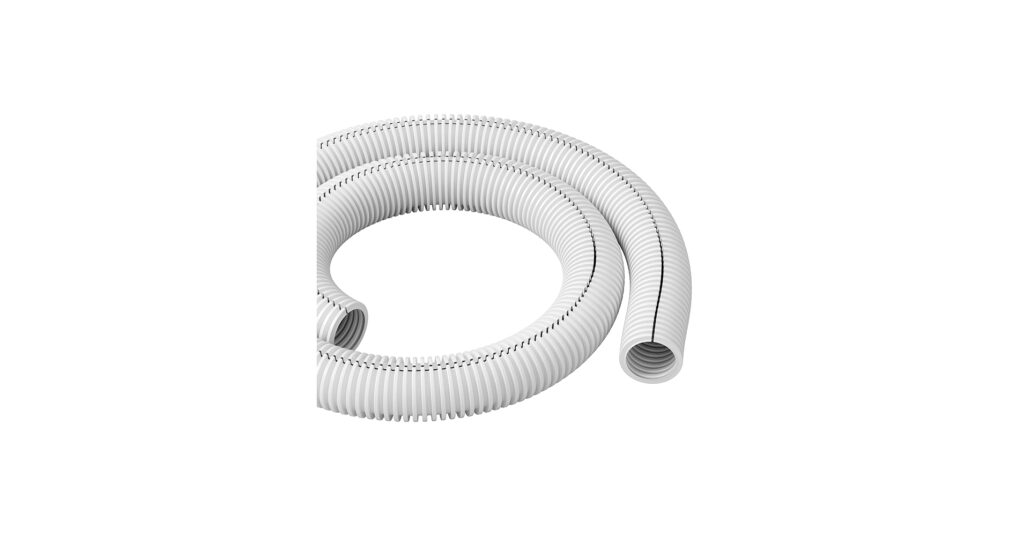
D-Line White 43in Cable Sleeve, Flexible Wire Protector Tubing
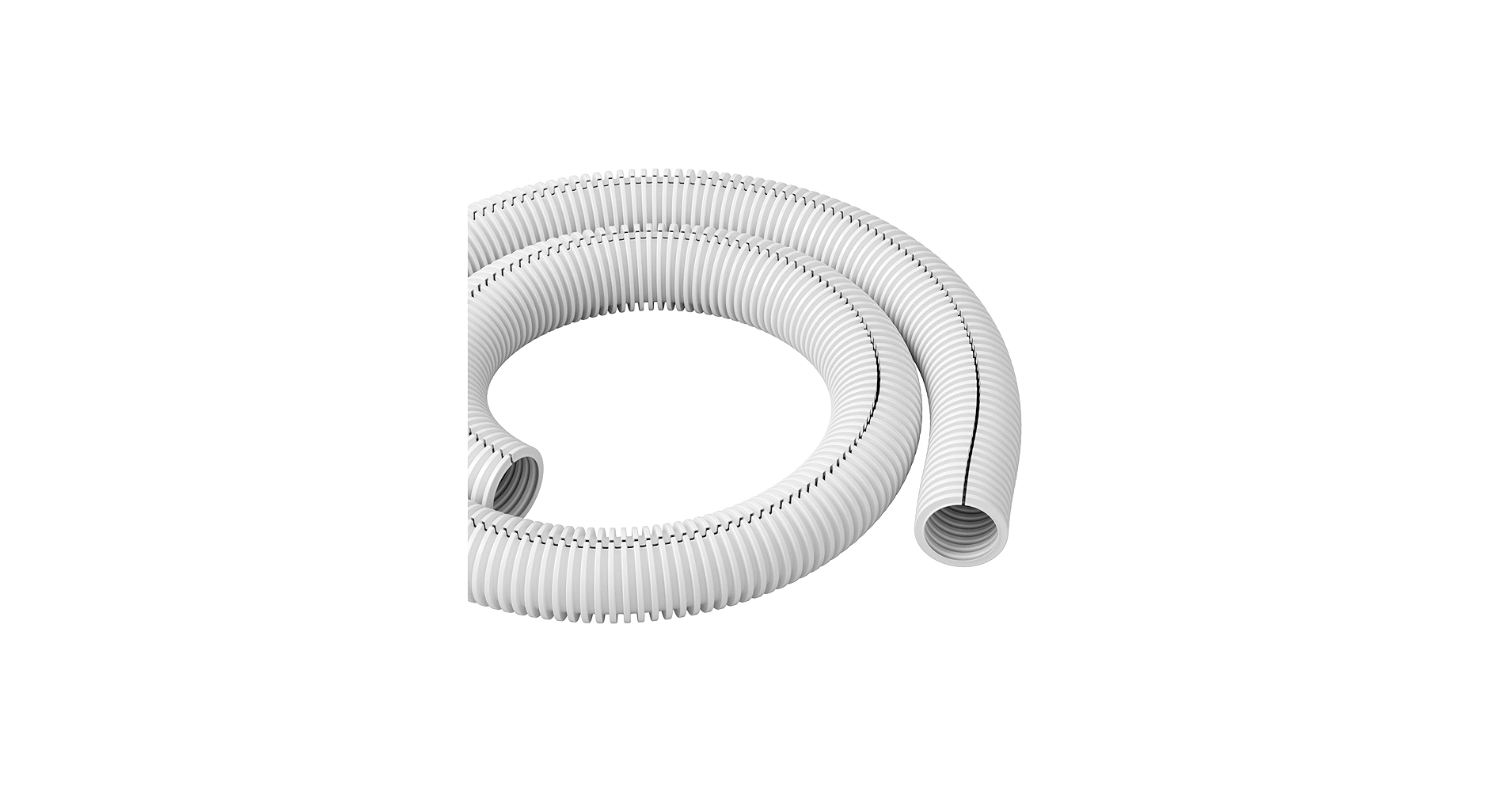
The D-Line Cable Sleeve wins for its sheer simplicity and effectiveness, offering a pre-split design that lets you install it in seconds without unplugging anything.
A clean workspace is a productive workspace, but the tangled mess of cables behind your monitor or TV can quickly ruin a minimalist aesthetic. A flexible wire cover is the simplest solution to this modern problem, bundling cords into a single, neat package. Whether you need to tidy up a standing desk, conceal wires from a wall-mounted TV, or protect cables from pets, the right cover makes all the difference. We’ve researched the market to find the best options for every organizational need.
Comparison Table
| Product | Installation Method | Material | Best For |
|---|---|---|---|
| D-Line Cable Sleeve | Split Loom | LDPE Plastic | Quickly bundling desk or TV cables |
| Self-Adhesive Cable Hider | Self-Adhesive | PVC | Hiding single cables on walls |
| 39 Inch Wall Cable Hider | Self-Adhesive | Silicone/PVC | Paintable installs for a seamless look |
| CrocSee Split Wire Loom | Split Loom with Tool | Polypropylene (PP) | Automotive or high-heat environments |
| Wall Cord Hider 118 Inch | Self-Adhesive | PVC | Covering long runs of cable |
Detailed Product Reviews
D-Line White 43in Cable Sleeve, Flexible Wire Protector Tubing
Pros
- Pre-split design allows for tool-free installation
- Durable and highly flexible material
Cons
- Fixed length may require multiple units for long runs
- Can appear bulky compared to flat raceways
The Breakdown: The D-Line Cable Sleeve embodies simplicity. It’s a classic split-loom tubing that requires no feeding, threading, or tools—you simply push the cables through the split along the side. This makes it incredibly easy to add or remove cables later without undoing your entire setup.
Key Specs:
- Installation: Split Loom
- Material: LDPE Plastic
- Length: 43 inches (1.1m)
- Diameter: 1.25 inches (32mm)
The Community Verdict: User feedback consistently praises the D-Line sleeve for its ease of use. Many reviews highlight how the pre-slit tubing avoids the hassle of disconnecting equipment, making a tedious job take only minutes. It’s frequently recommended for managing the cable drop from a standing desk or behind a media console.
Dealbreaker: If your goal is a perfectly flat, invisible cable run along a baseboard or wall, this tubing’s rounded profile might not be the sleekest option.
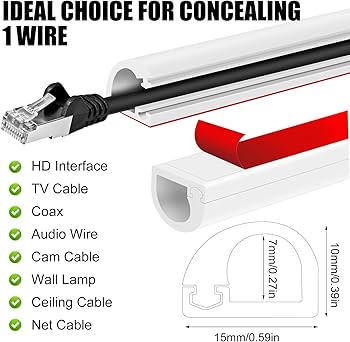
Self-Adhesive Cable Hider, Flexible Wire Cover Cable Raceway for
Pros
- Strong self-adhesive backing for easy mounting
- Flexible material can follow slight wall curves
Cons
- Adhesive may damage paint or drywall upon removal
- Limited capacity, not for large bundles
The Breakdown: This product merges the flexibility of a cover with the flat, discreet profile of a raceway. Its peel-and-stick backing makes it an ideal choice for quickly hiding a speaker wire or a power cord along a wall. The flexible PVC allows it to conform to surfaces that aren’t perfectly flat, offering more versatility than rigid raceways.
Key Specs:
- Installation: Self-Adhesive
- Material: PVC
- Capacity: Suitable for 1-2 small cables
- Special Feature: Flexible raceway design
The Community Verdict: Online discussions, particularly on Reddit, show this type of product is very popular among renters who are not allowed to drill holes. Users appreciate the clean look it provides for wall-mounted TV setups. However, a common piece of advice is to be extremely careful during removal, as strong adhesives can pull paint off the wall.
Dealbreaker: If you frequently change your setup or are concerned about wall damage, the strong, semi-permanent adhesive could be a significant drawback.
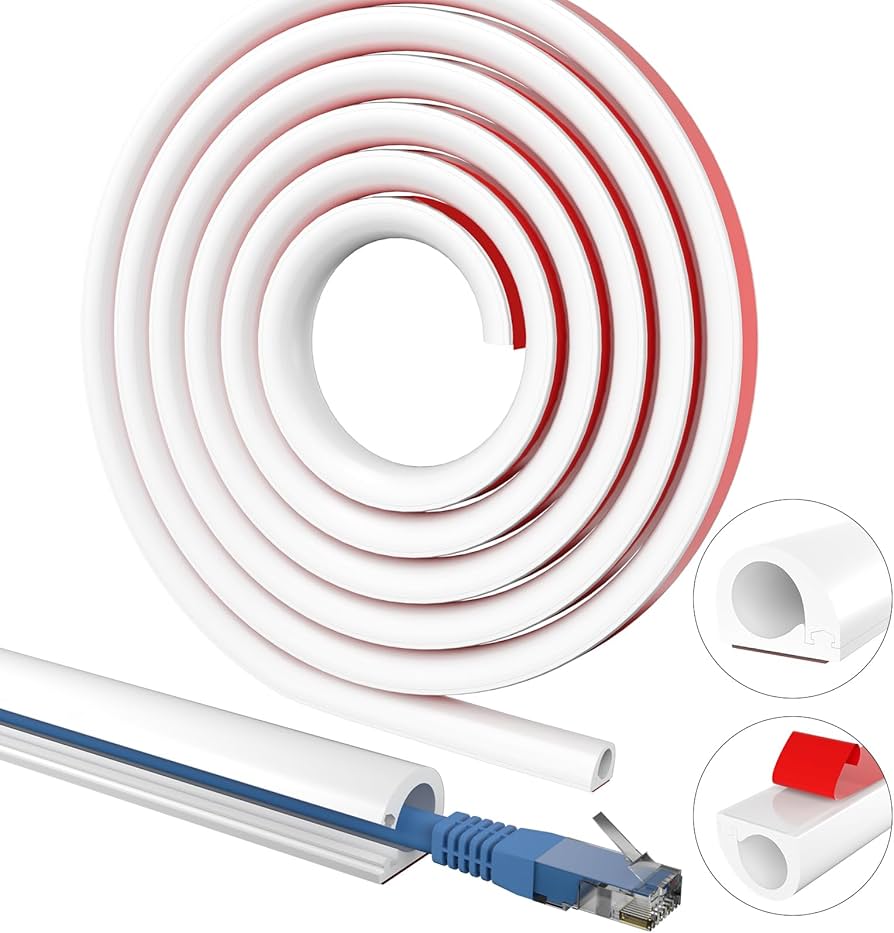
39 Inch Wall Cable Hider, Flexible Wire Cord Management Self
Pros
- Paintable surface to match any wall color
- Easy to cut to a precise length with scissors
Cons
- Adhesive strength can vary
- Very small capacity, not for multiple or thick cables
The Breakdown: This wall hider prioritizes aesthetics and customization. Its key feature is the paintable surface, allowing it to blend into the background completely. The soft, silicone-like material is exceptionally easy to cut, making it perfect for custom-length projects under desks or around media centers.
Key Specs:
- Installation: Self-Adhesive
- Material: Silicone/PVC Blend
- Length: 39 inches
- Special Feature: Paintable and easily cuttable
The Community Verdict: The consensus is that this type of hider is excellent for achieving a truly professional, hidden-wire look. Users confirm that standard wall paint adheres well to the surface. However, some have noted that for vertical runs, the adhesive may need to be supplemented with small nails or screws for long-term security.
Dealbreaker: The slim profile means it’s strictly for one or two thin cables, like a network cable or a phone line; a thick power cord for a TV might be too much for it to handle.
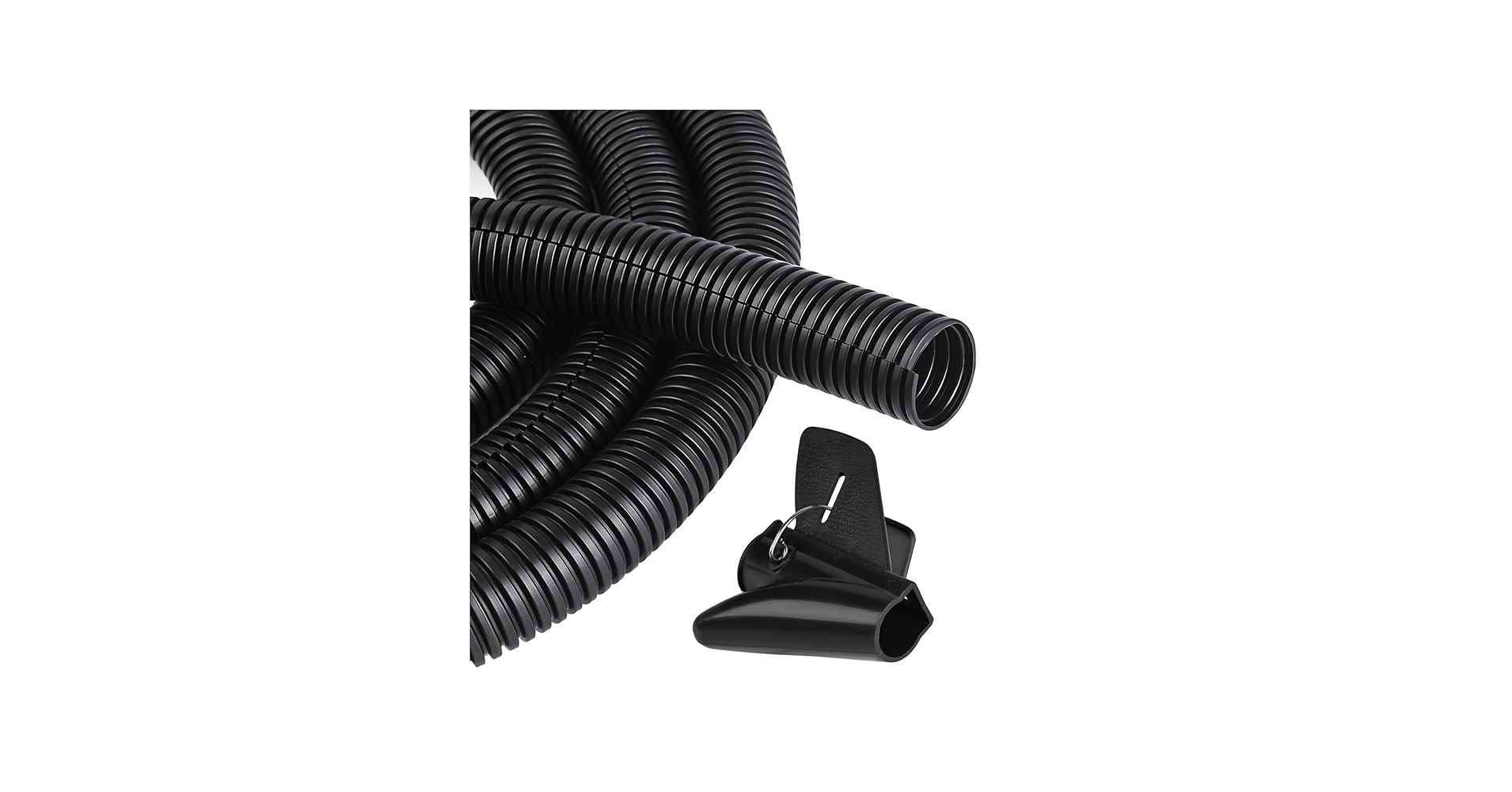
CrocSee 25ft – 1/2 inch Flame Retardant Split Wire Loom Tubing
Pros
- Flame retardant and high heat resistance
- Comes in a generous 25-foot roll
- Includes a wire insertion tool
Cons
- Industrial aesthetic may not suit home decor
- Can be stiffer than standard PVC or neoprene sleeves
The Breakdown: The CrocSee wire loom is a heavy-duty solution built for more than just aesthetics. Its polypropylene construction is flame retardant and resistant to chemicals and abrasion, making it ideal for workshops, garages, or even engine bays. The included insertion tool is a thoughtful touch that simplifies the process of loading multiple wires into the loom.
Key Specs:
- Installation: Split Loom with Tool
- Material: Polypropylene (PP)
- Length: 25 feet
- Operating Temp: -22 °F to 221 °F
The Community Verdict: Market research indicates this product is highly regarded in automotive and industrial forums. Users praise its durability and safety features, noting that it provides excellent protection in harsh environments. For home use, some find it overkill but appreciate the peace of mind offered by its flame-retardant properties, especially around expensive electronics.
Dealbreaker: The look is purely functional. If you’re trying to match a minimalist white or wood-grain desk setup, this black, ribbed tubing will stand out.
Wall Cord Hider 118 Inch, Self Adhesive Cable Hider Cord Cover for
Pros
- Extra-long 118-inch length for extensive runs
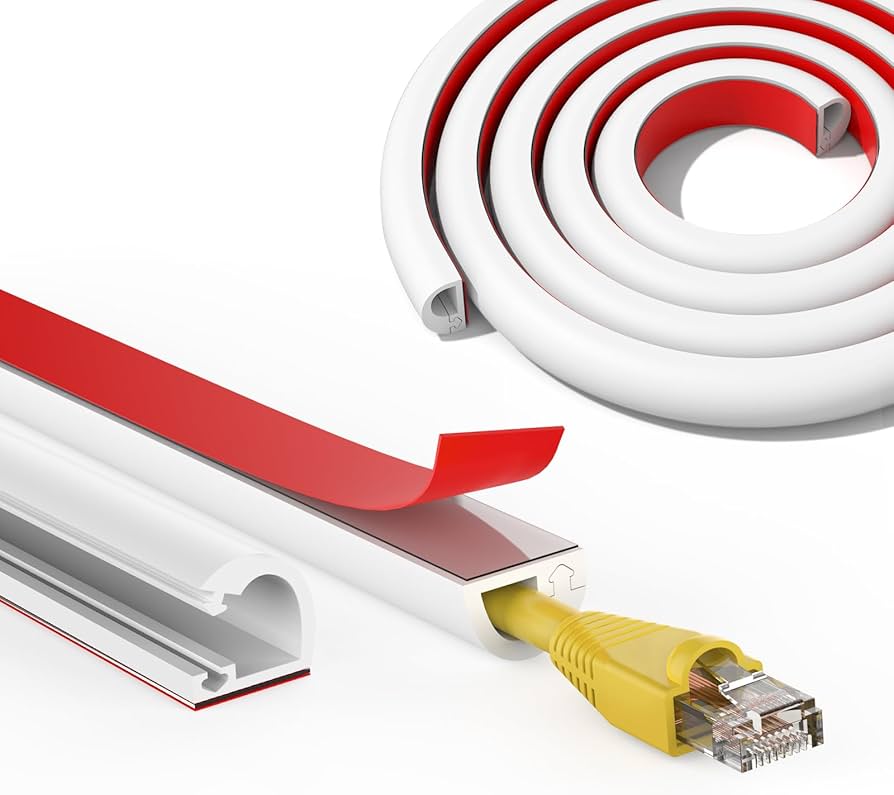
- Side buckle design allows for easy cable access
- Paintable and cuttable for customization
Cons
- Limited capacity (approx. 1 HDMI or 2 USB)
- Adhesive may not hold the full length on some surfaces
The Breakdown: This product is designed for distance. At nearly 10 feet long, it’s perfect for hiding a cable running from a wall outlet to a floor lamp or across a room. The upgraded side buckle is a clever design choice, making it much easier to add or remove cables compared to traditional raceways that snap shut on top.
Key Specs:
- Installation: Self-Adhesive
- Material: PVC
- Length: 118 inches
- Capacity: 0.59″ W x 0.39″ H
The Community Verdict: User feedback indicates that while the tool-free installation is a major plus, the adhesive can be a point of contention. For long vertical or ceiling runs, many users recommend supplementing the adhesive with drywall screws or another fastener to prevent it from peeling off over time. The flexibility and paintable surface are frequently cited as strong positives.
Dealbreaker: This is a single-task solution. Its small cavity is not designed for bundling multiple power cords from a computer and monitor.
Best flex wire cover
When you need maximum adaptability, a flex wire cover is essential. These options prioritize bendability and ease of use, making them perfect for dynamic setups like standing desks or entertainment centers where cables are frequently moved or changed. They offer a great balance of protection and accessibility.
D-Line White 43in Cable Sleeve, Flexible Wire Protector Tubing
Cons: Limited to 43-inch length
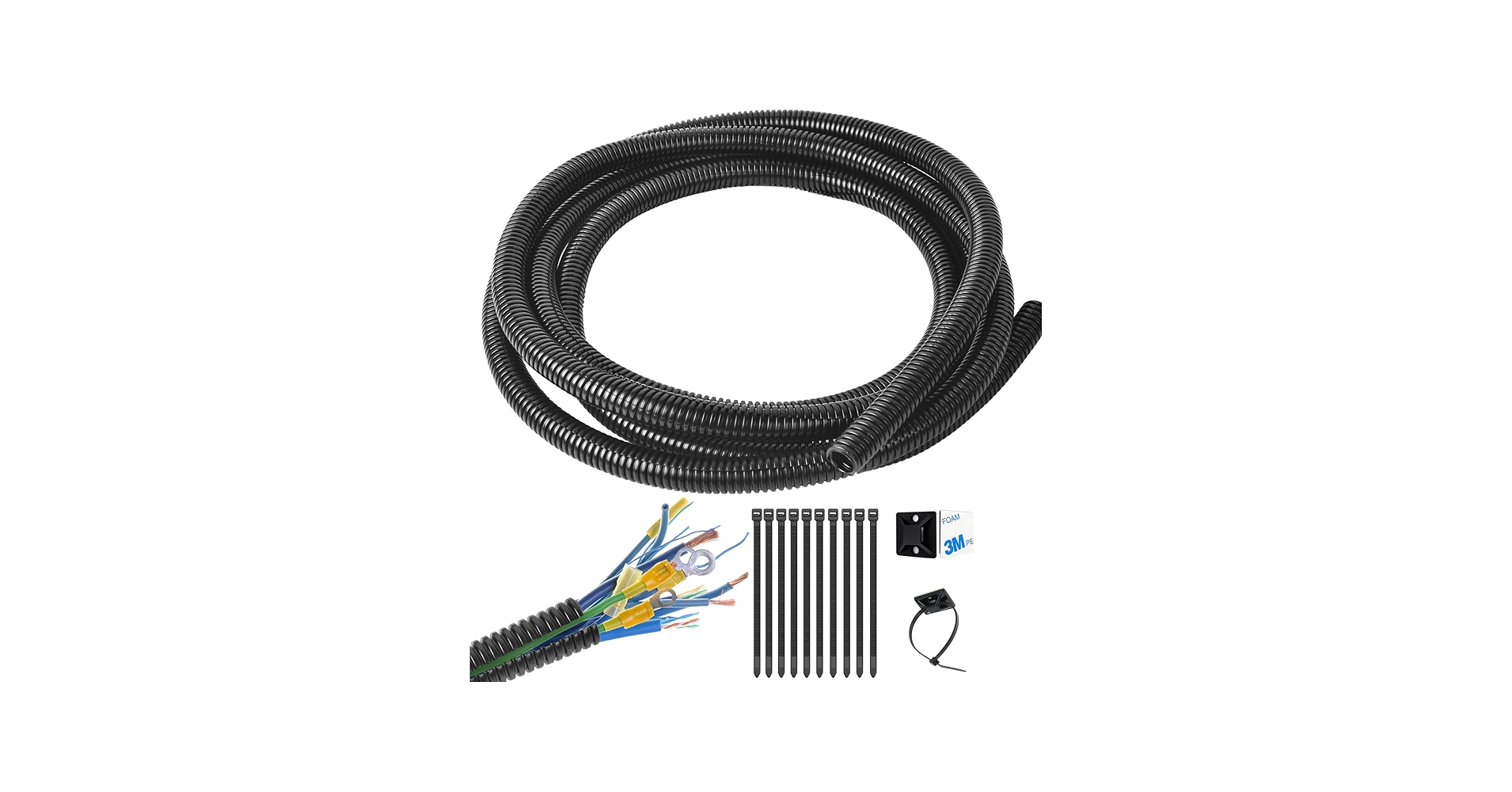
1/4 Inch Wire Loom Split Tubing – 30 ft Cord Protector
Cons: Small 1/4 inch diameter
ZhiYo 20FT 1/2″ Wire Loom Split Tubing Auto Wire Conduit Flexible
Cons: Industrial look
Best flexible cable cover
A flexible cable cover is your best bet for conforming to the unique shapes of your space. Unlike rigid plastic, these covers can bend around corners, follow the curve of a wall, or snake around desk legs. They are designed for situations where a straight line isn’t an option, providing both concealment and protection.
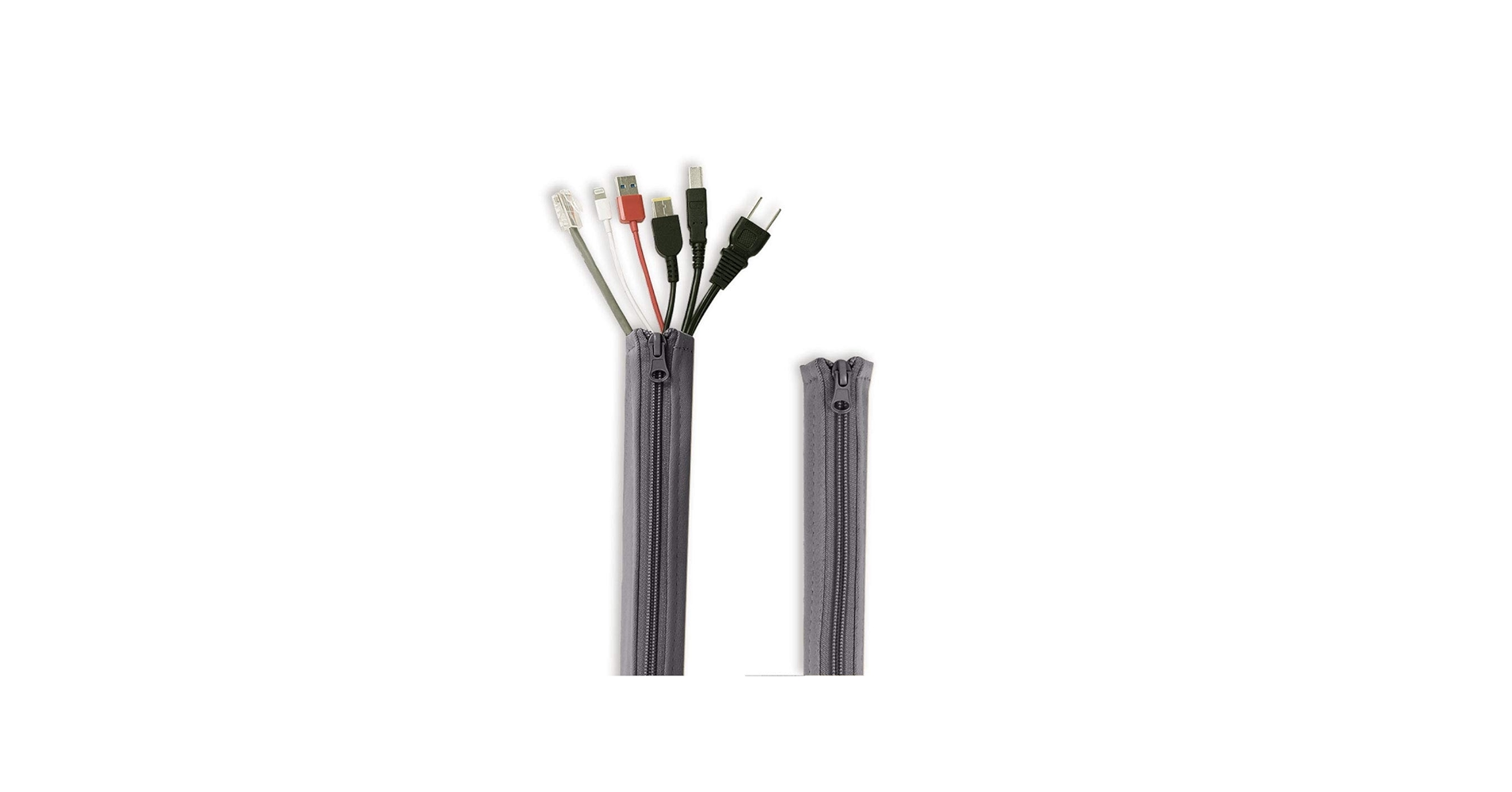
Flexible Cable Management Sleeve with Zipper
Cons: Fabric can attract dust
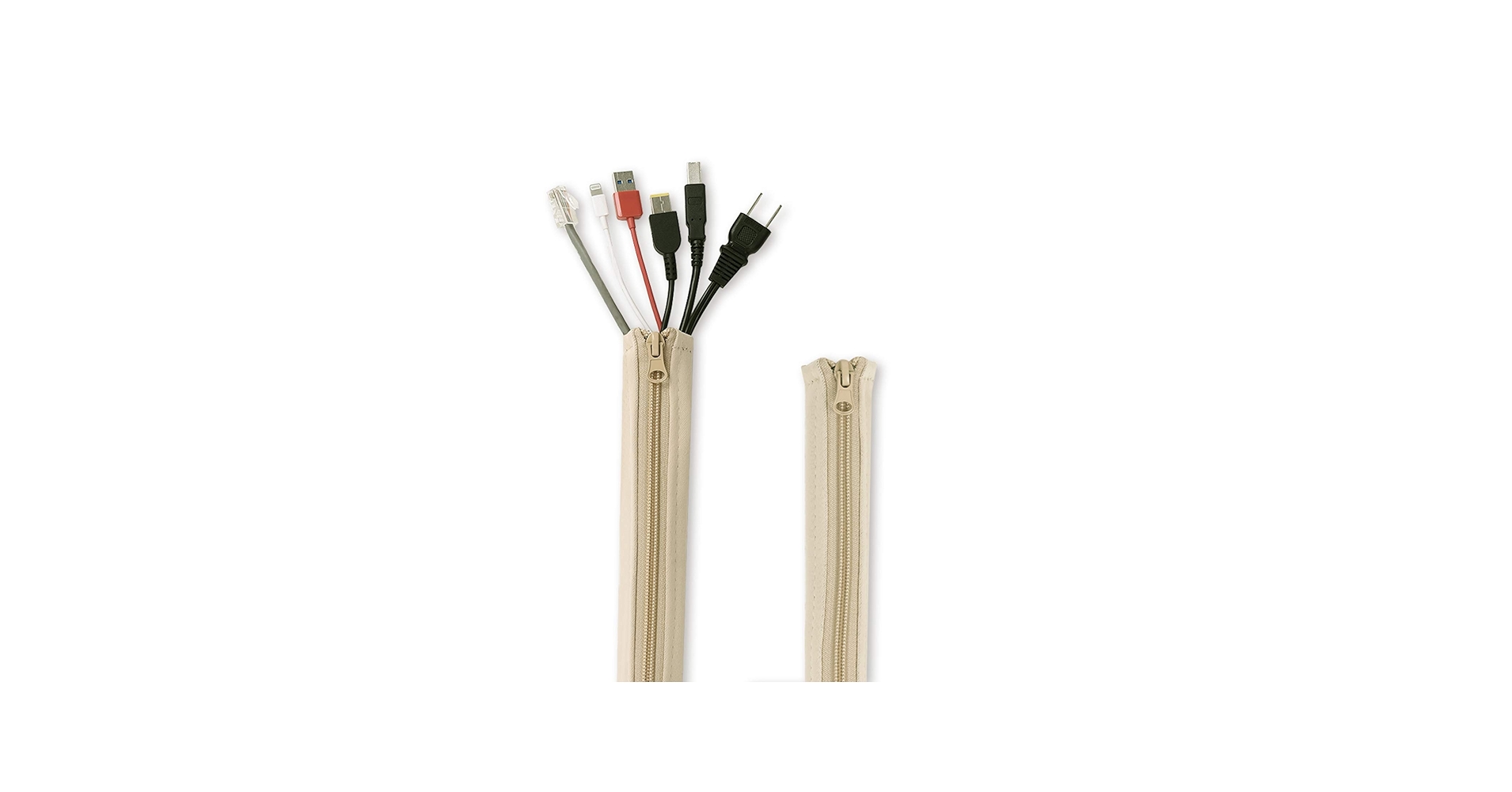
Flexible Cable Management Sleeve with Zipper
Cons: May not hold as many cables as loom tubing
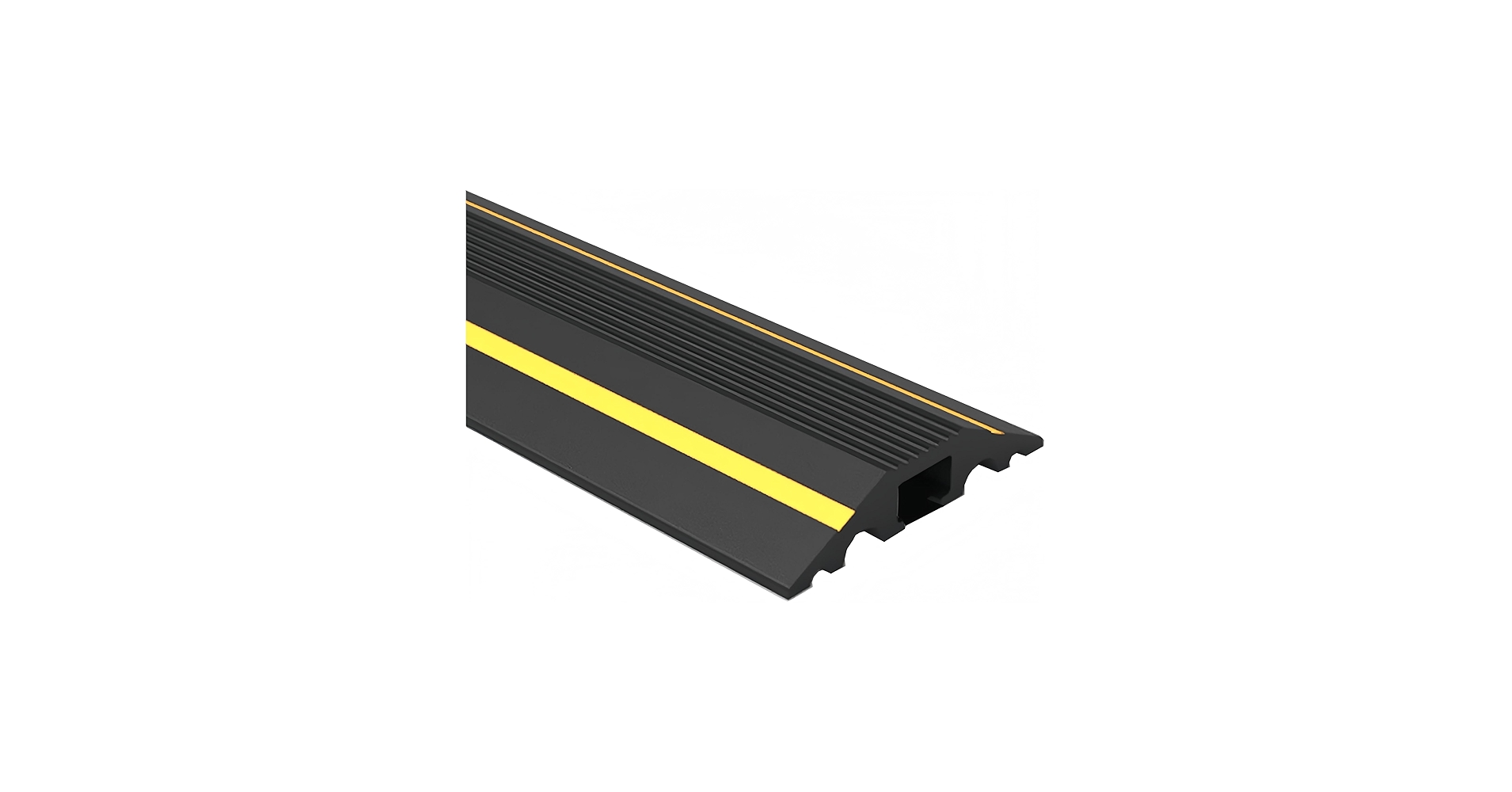
10FT Cord Cover, Flexible Floor Cable Cover, Cord Hider to
Cons: Can be a trip hazard if not placed carefully
Best flexible cable sleeve
A flexible cable sleeve is often the most user-friendly solution for bundling a group of wires. Typically made from soft neoprene fabric with a zipper or velcro closure, they wrap snugly around your cables. This creates a soft, insulated bundle that is easy to handle and won’t scratch your desk or equipment.
Flexible Cable Management Sleeve with Zipper
Cons: Limited width
Flexible Cable Management Sleeve with Zipper
Cons: Fabric material can be harder to clean than plastic
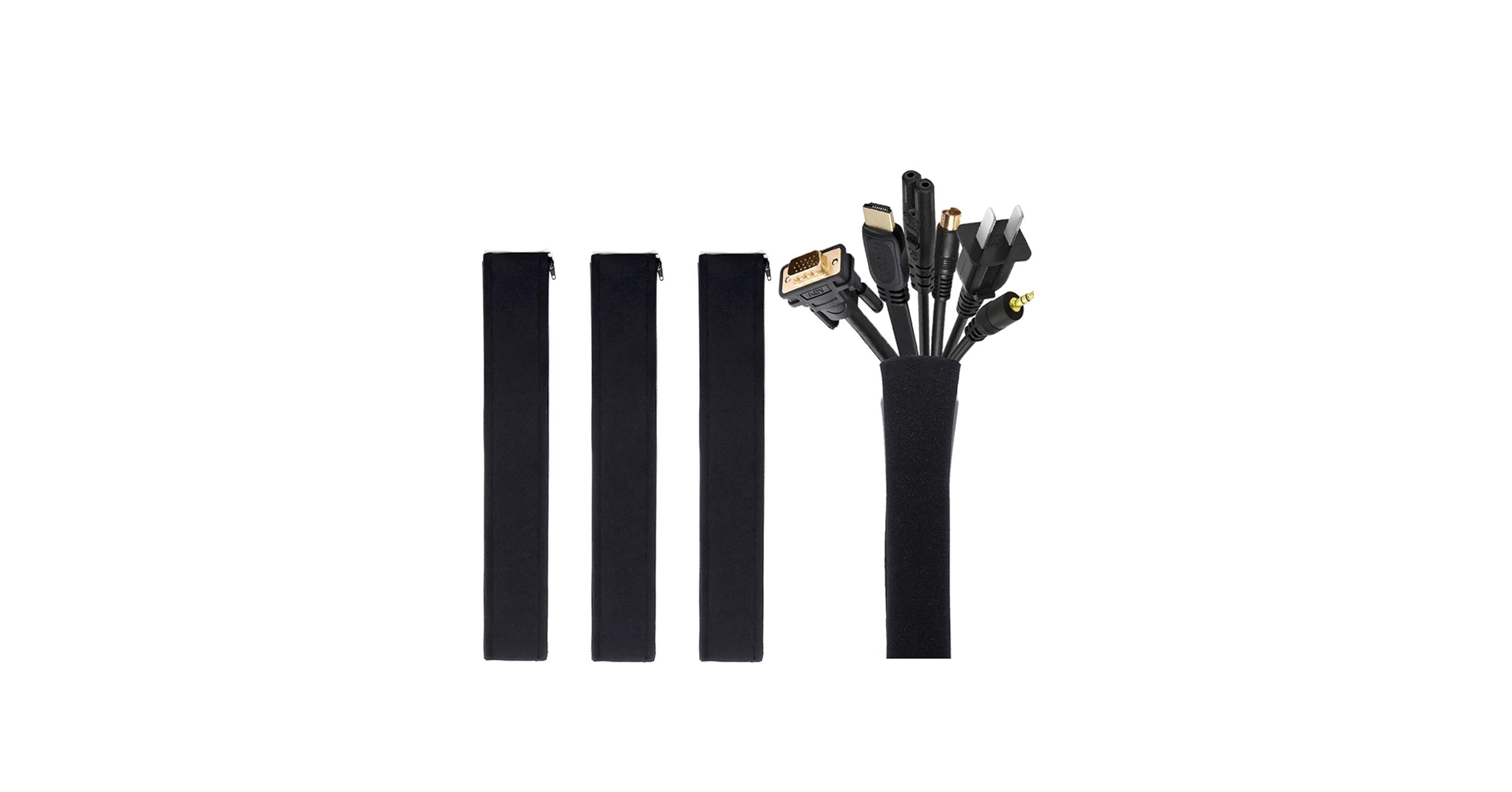
JOTO 4 Pack Cable Management Sleeve, 19-20 Inches Cord
Cons: Shorter length per sleeve
Best flexible wire cover
For a truly universal solution, these flexible wire covers offer the best of both worlds. They combine the ease of split-loom tubing with the clean aesthetic of adhesive raceways. These top picks are versatile enough for almost any application, from hiding TV cords on a wall to organizing the nest of wires under your computer desk.
D-Line White 43in Cable Sleeve, Flexible Wire Protector Tubing
Cons: Not paintable
Self-Adhesive Cable Hider, Flexible Wire Cover Cable Raceway for
Cons: Adhesive can damage walls
39 Inch Wall Cable Hider, Flexible Wire Cord Management Self
Cons: Limited capacity for cables
Buying Guide: How to Choose a Flexible Wire Cover
Choosing the right wire cover depends on your specific needs. Consider these factors before you buy:
- Installation Method: Do you want something you can stick to a wall, or a sleeve that simply wraps around a bundle of cables? Adhesive raceways offer a flatter, more permanent look, while split looms and zippered sleeves offer more flexibility for adding or removing cables.
- Capacity and Diameter: Count how many cables you need to hide and check their thickness. A product designed for one HDMI cable won’t be able to handle two power cords and a network cable. Check the product specifications for its inner diameter or recommended capacity.
- Location and Aesthetics: Where will the cover be used? For a hidden run behind a desk, a functional split loom is fine. For a visible cable drop from a wall-mounted TV, a paintable adhesive raceway is a better choice. Good flexible cord management is about both function and form.
- Material: Neoprene sleeves are soft and flexible, perfect for desk environments. Polypropylene looms offer heat and abrasion resistance for tougher jobs. PVC raceways provide a clean, semi-rigid structure for wall applications.
For a more rigid solution designed to be mounted, consider an Electrical Wire Channel. If you only need to secure a cable at a single point, a simple Adhesive Cord Holder might be all you need. And for runs specifically along the floor line, a dedicated Baseboard Cord Cover is another excellent option.
Frequently Asked Questions (FAQ)
How do you install a flexible wire cover?
Installation varies by type. For split loom tubing, you simply push your cables through the opening along its length. For adhesive raceways, you peel the protective film off the back and press it firmly onto a clean, dry surface. Zippered sleeves require you to wrap the sleeve around the cables and zip it up.
Can you cut flexible wire covers to size?
Yes, almost all flexible wire covers are designed to be cut. Soft neoprene sleeves and plastic looms can typically be cut with a sharp pair of scissors. For slightly more rigid PVC raceways, a utility knife will provide a cleaner cut.
Will self-adhesive wire covers damage my walls?
There is a risk, especially on painted drywall or wallpaper. The adhesive is designed to be strong, and removing it can sometimes pull off paint or the top layer of paper. To minimize damage, warm the raceway with a hairdryer for a few minutes to soften the adhesive before gently peeling it away from the wall.