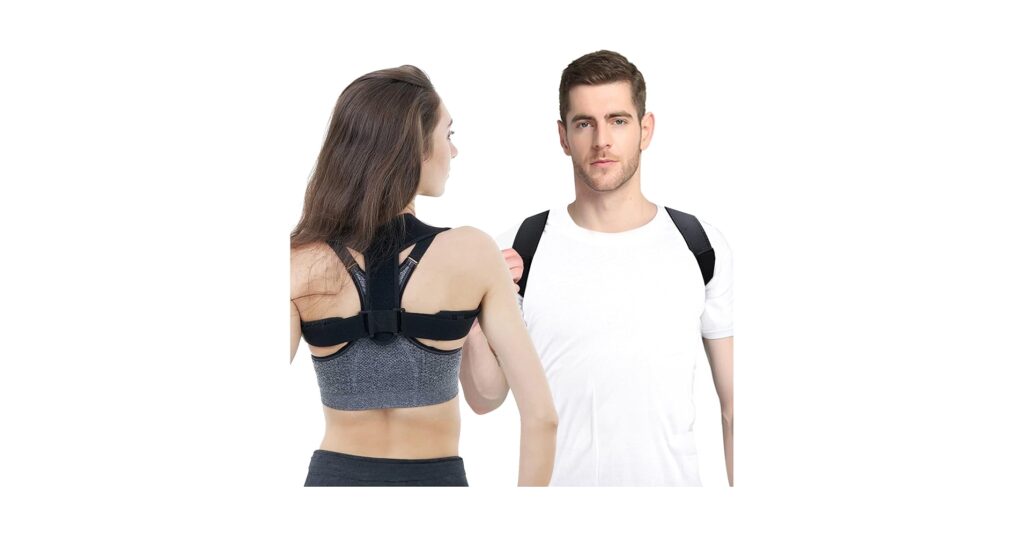
Hours hunched over a keyboard can transform your spine into a question mark. For the modern professional, maintaining good posture isn’t just about appearance—it’s about long-term health, focus, and preventing chronic pain. A high-quality posture corrector for desk workers acts as a physical reminder, retraining your muscles to hold a healthier, more aligned position. After extensive market research into user feedback, material science, and ergonomic design, we’ve analyzed the top contenders for 2026 to help you sit taller and work smarter.
🚀 Quick Verdict / Top Pick
Longmann Posture Corrector for Women & Men
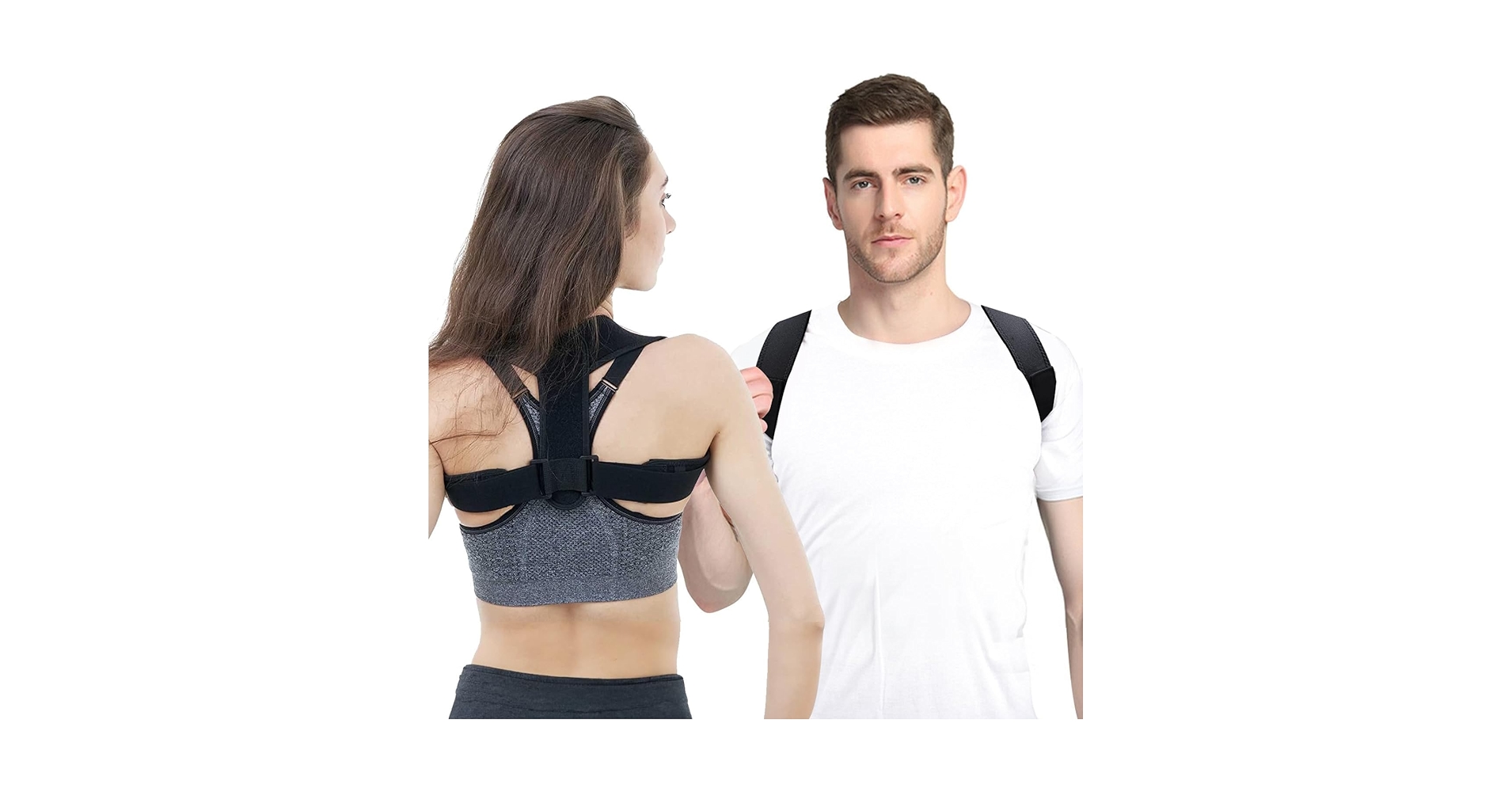
The Longmann excels with its minimalist, effective design that offers the perfect balance of firm support and under-clothing discretion, making it the ideal starting point for any desk worker.
2026 Posture Corrector Comparison
| Product | Support Mechanism | Material | Best For |
|---|---|---|---|
| Longmann Posture Corrector | Clavicle Brace | Breathable Neoprene Blend | All-Day Discreet Wear |
| Pressure Biofeedback Stabilizer | Biofeedback (Core/Lumbar) | Nylon Cuff / PVC | Active Muscle Training |
| NLNYCT Posture Corrector | Clavicle Brace (Padded) | Padded Neoprene/Mesh | Enhanced Comfort |
| Adontze Back Brace | Full Back & Lumbar | Elastic Fabric w/ Stays | Comprehensive Spinal Support |
| Vicorrect Posture Corrector | Clavicle Brace | Breathable Composite Fabric | Maximum Adjustability |
Detailed Product Reviews 2026
1. Longmann Posture Corrector for Women & Men
Pros
- Extremely discreet under most clothing
- Simple figure-8 design is easy to adjust
Cons
- Can cause chafing under the arms if over-tightened
- Provides no lower back support
The Breakdown: The Longmann corrector is a market staple for a reason. Its classic design focuses solely on retracting the shoulders from a hunched position, directly targeting the ‘computer slump.’ It works by providing gentle, consistent pressure that cues your muscles to maintain proper alignment. This isn’t a rigid brace, but rather a training tool to build better postural habits over time.
Key Specs:
- Support Mechanism: Clavicle Brace (Figure-8)
- Material: Neoprene, Elastic, Velcro
- Adjustability: Dual front-adjusting straps
- Sizes: One size fits most (25″ – 53″ chest)
The Community Verdict: Users consistently report that the Longmann is an excellent entry-level corrector that makes them instantly aware of their slouching. The main critique revolves around comfort during prolonged wear, with some users recommending wearing it over a thin t-shirt to prevent any underarm irritation.
Dealbreaker: Skip this if you need any form of lumbar or lower back support, as its function is strictly limited to the shoulders and upper back.
2. Pressure Biofeedback Stabilizer – Joint Support
Pros
- Provides tangible, real-time feedback on muscle engagement
- Addresses the root cause of posture by strengthening core stabilizers
Cons
- Is an exercise tool, not a wearable brace for all-day use
- Requires active participation and has a learning curve
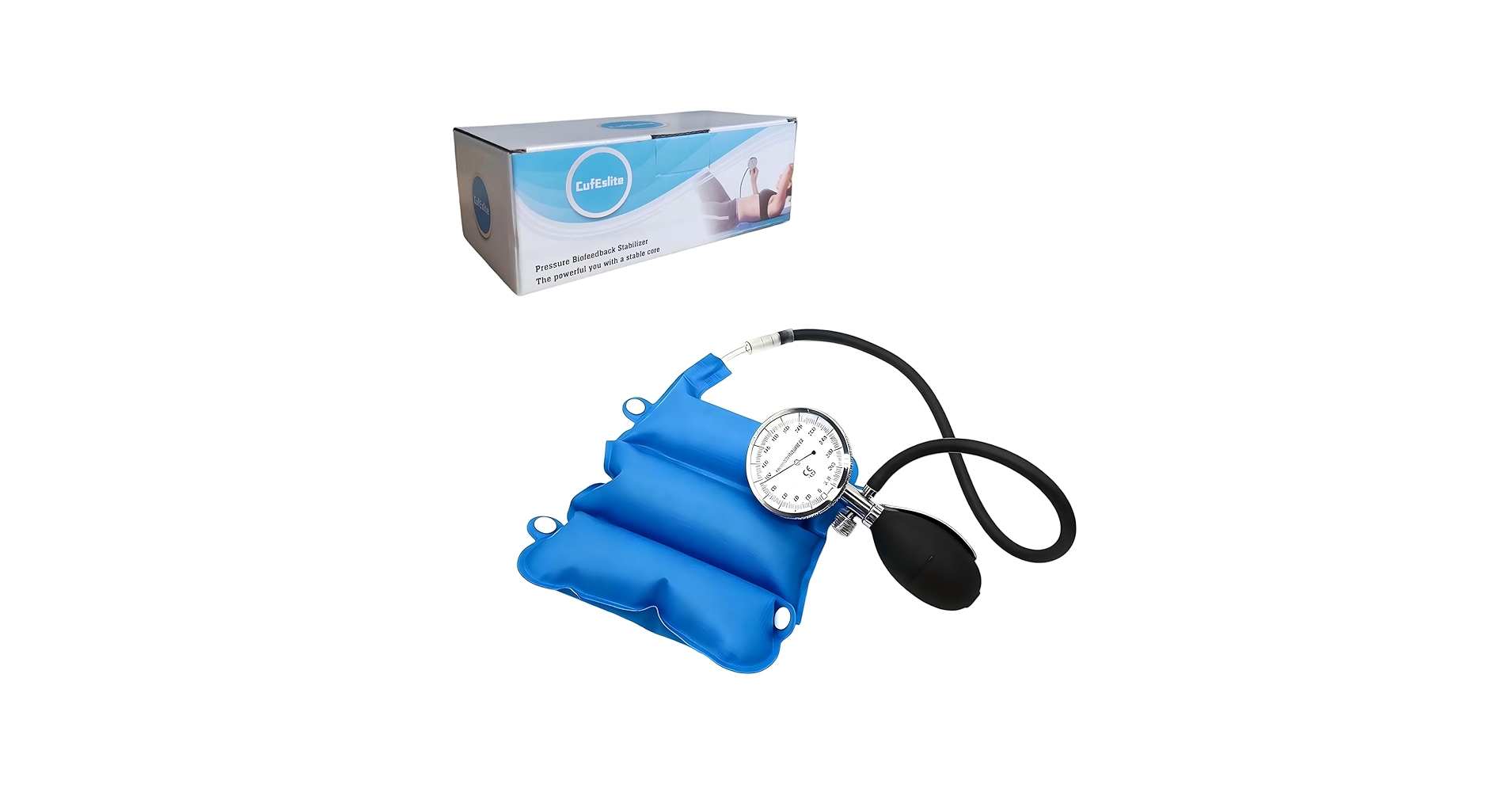
The Breakdown: This is the high-tech choice. Instead of forcing your shoulders back, the Pressure Biofeedback Stabilizer is an inflatable cuff connected to a pressure gauge. You place it behind your lower back and perform specific exercises; the gauge tells you if you’re correctly engaging your deep abdominal muscles, which are crucial for spinal support.
Key Specs:
- Support Mechanism: Biofeedback via pressure gauge
- Material: Nylon cuff, PVC bladder and bulb
- Adjustability: N/A (positioning is key)
- Target Area: Transversus abdominis, lumbar multifidus
The Community Verdict: Market research indicates this tool is highly recommended by physical therapists for rehabilitative care. Users who commit to the exercises report significant and lasting improvements in core strength and posture, but casual users may find it too involved for daily use.
Dealbreaker: Skip this if you’re looking for a simple, passive ‘wear-and-forget’ posture corrector to use while you work.
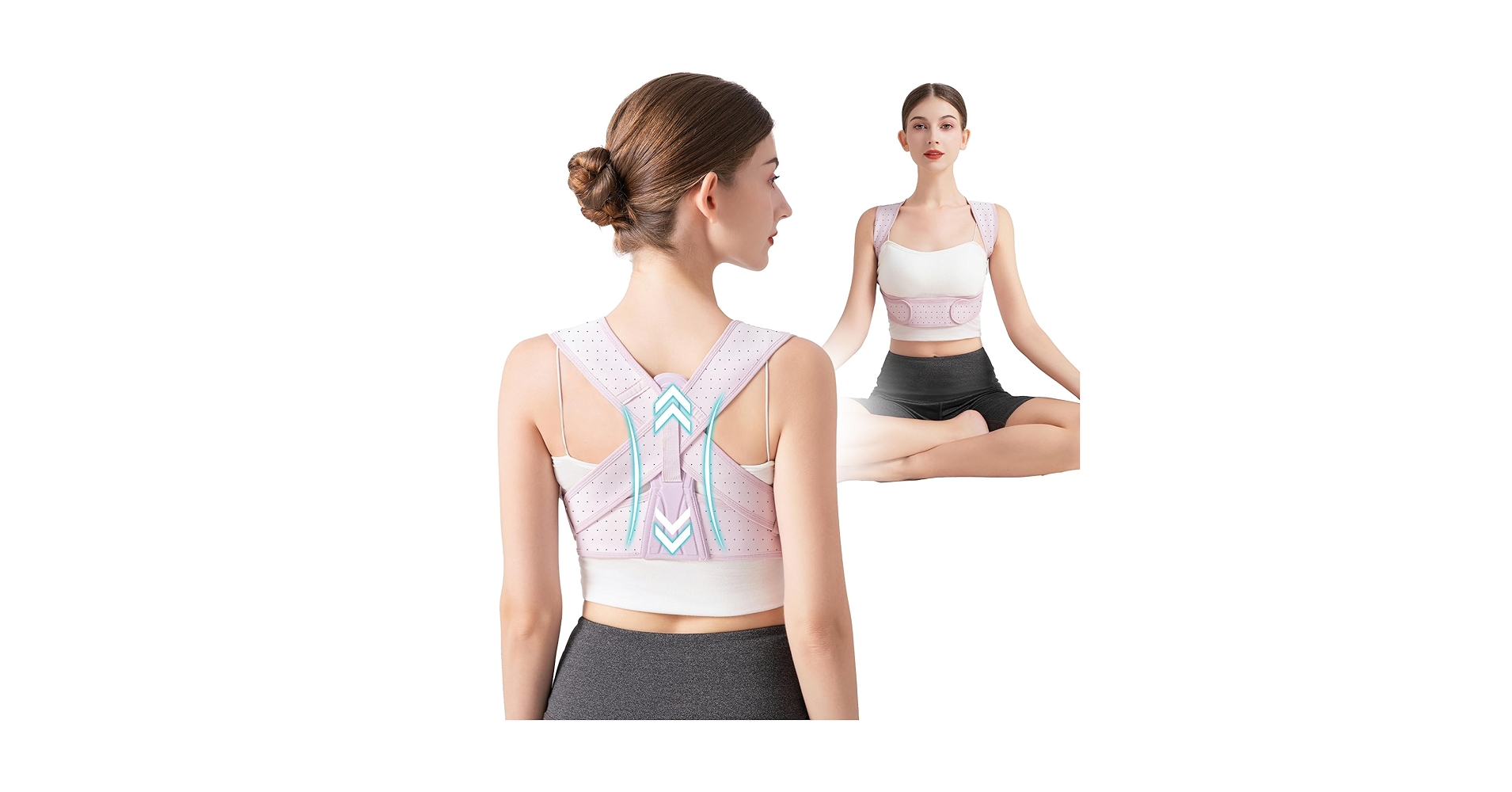
3. NLNYCT Posture Corrector For Women, Adjustable
Pros
- Enhanced padding for better underarm comfort
- Design considers female anatomy for a better fit
Cons
- Can still feel bulky under form-fitting tops
- Limited to upper back and shoulder correction
The Breakdown: The NLNYCT corrector takes the standard clavicle brace design and refines it for comfort. It features wider, softer straps and a more substantial backplate, distributing pressure more evenly. The goal is to minimize the digging and chafing that can be a dealbreaker with simpler unisex models, allowing for longer, more comfortable wear.
Key Specs:
- Support Mechanism: Padded Clavicle Brace with back plate
- Material: Neoprene, Mesh, Foam Padding
- Adjustability: Standard Velcro straps
- Sizes: Multiple sizes available (Small to Large)
The Community Verdict: Female users frequently report that the extra padding and more ergonomic cut make a noticeable difference in comfort, especially around the chest and underarms. The consensus is that it’s a significant upgrade in wearability over basic, one-size-fits-all options.
Dealbreaker: Skip this if you’re a man with a broad chest or if you require full-back support, as its design is specifically tailored.
4. Adontze Back Brace and Posture Corrector
Pros
- Provides full spinal alignment, including lumbar support
- Often includes rigid stays for maximum reinforcement
Cons
- Significantly more bulky and less discreet
- Can restrict torso movement more than other models
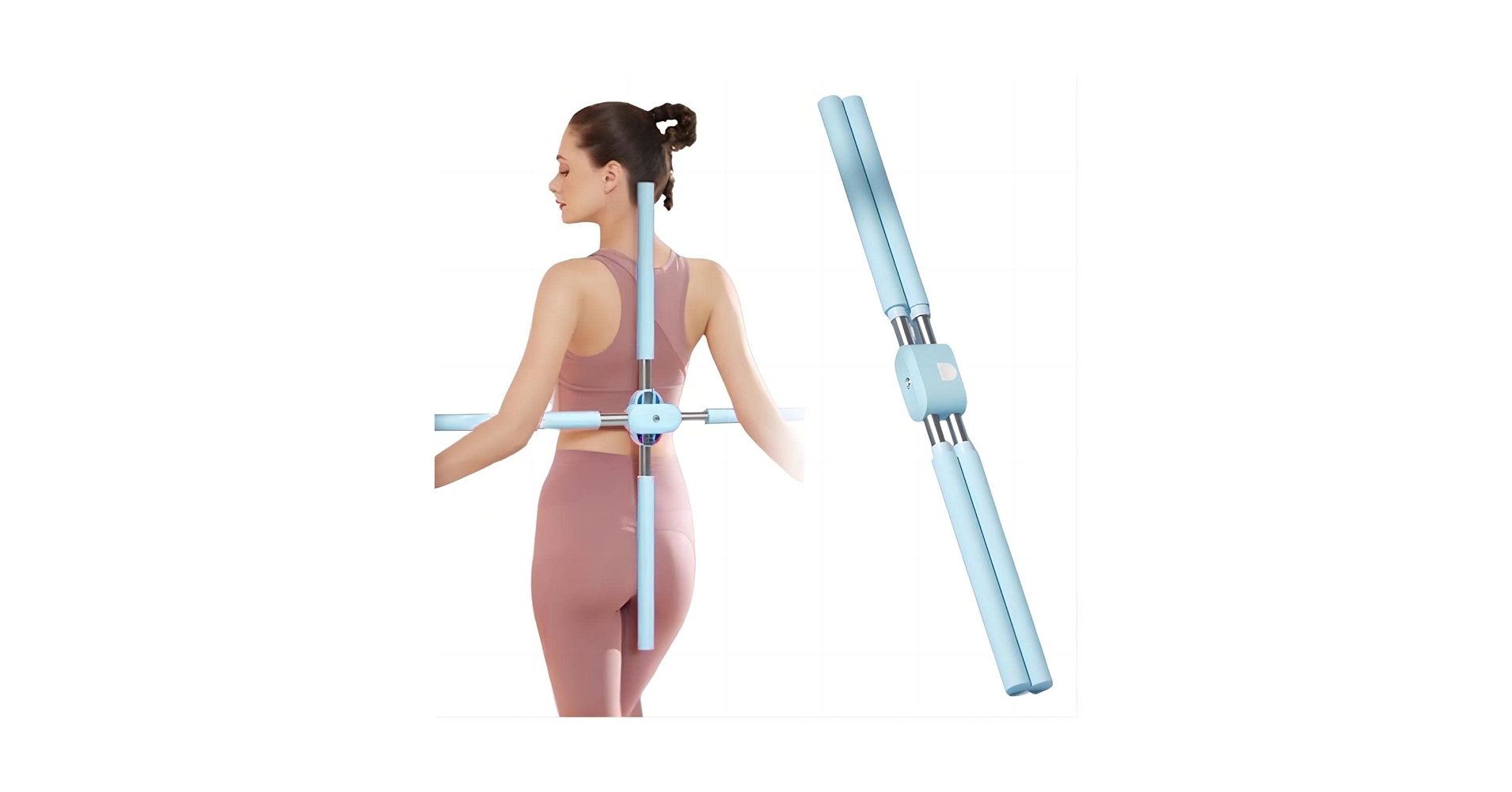
The Breakdown: This is less of a posture ‘reminder’ and more of a full-support system. The Adontze brace functions like a vest, with shoulder straps to pull back the clavicle and a wide belt that cinches around the waist to support the lumbar spine. It’s the go-to option for those whose slouch originates from the lower back or who need more intensive correction.
Key Specs:
- Support Mechanism: Full Back Brace with Lumbar Support
- Material: Breathable Elastic Fabric, often with plastic or metal stays
- Adjustability: Separate shoulder and waist straps
- Sizes: Typically sized by waist measurement
The Community Verdict: Owners report a palpable sense of relief and support, especially those with pre-existing back pain. The primary trade-off is its visibility; while it can be worn under a loose jacket or sweater, it’s not suitable for wear under a fitted shirt.
Dealbreaker: Skip this if your main goal is discretion or if you only have a mild shoulder slouch, as this level of support would be overkill.
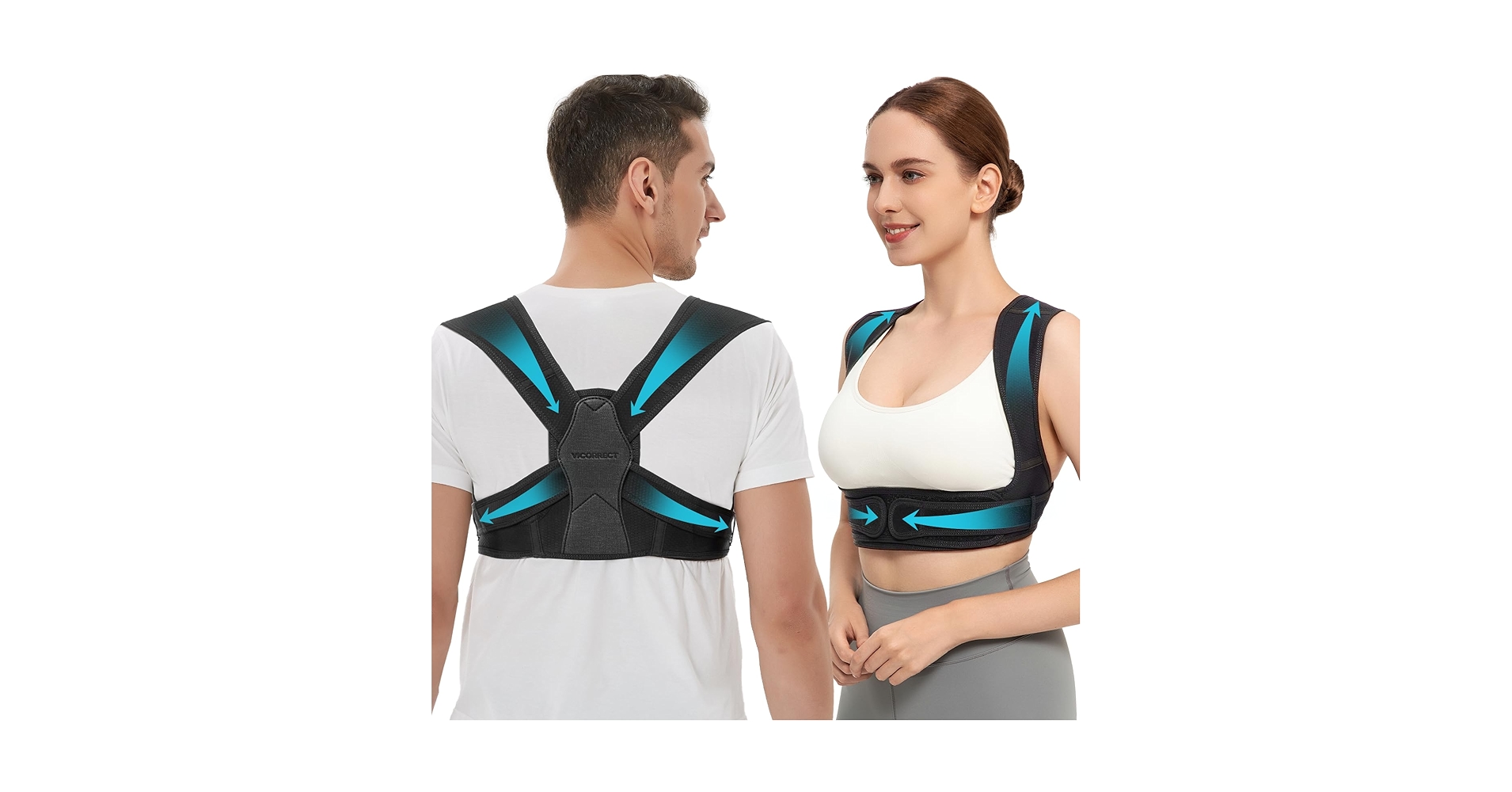
5. Vicorrect Posture Corrector for Women and Men
Pros
- Excellent range of adjustability for a precise fit
- Strong user consensus on its effectiveness
Cons
- Shares the same potential for underarm discomfort as other figure-8 designs
- Basic design lacks advanced features or lower back support
The Breakdown: The Vicorrect is a direct and formidable competitor to our top pick. It employs the same proven clavicle-support methodology but is often praised for its high-quality materials and durable construction. This is a no-frills, function-first device designed to be an effective tool for combating the gravitational pull of the computer screen.
Key Specs:
- Support Mechanism: Clavicle Brace (Figure-8)
- Material: Lightweight, breathable composite fabric
- Adjustability: Long Velcro straps for a wide fit range
- Sizes: Two main sizes (Regular and Large) to cover most body types
The Community Verdict: User feedback consistently highlights the product’s quality and the immediate postural awareness it provides. Many find it to be a perfect middle-ground, offering noticeable support without being overly restrictive for daily desk work.
Dealbreaker: Skip this if you have already tried and disliked classic figure-8 braces; this is a refinement of that design, not a reinvention.
Buying Guide: Choosing the Right Posture Corrector for You
Finding the perfect posture corrector for desk workers depends on your specific needs. Here are the key factors to consider:
1. Type of Support: Brace vs. Trainer
First, decide if you need a passive brace or an active trainer. A Clavicle Brace (like the Longmann or Vicorrect) is passive; it physically holds your shoulders back. A Full Brace (like the Adontze) does the same for your entire back. In contrast, a Biofeedback Device is an active trainer that teaches you to engage the right muscles, building strength for long-term correction.
2. Material and Comfort
You’ll be wearing this for hours, possibly against your skin. Look for lightweight, breathable materials like neoprene blends or mesh to prevent overheating. If you have sensitive skin, models with extra padding (like the NLNYCT) are a wise choice. The best corrector is the one you’ll actually wear consistently.
3. Discreetness and Lifestyle
Will you be wearing this in an office? A slim figure-8 clavicle brace is almost invisible under a button-down shirt or blazer. A full back brace offers more support but is much harder to conceal. Consider your daily wardrobe and environment when making a choice.
Remember, a posture corrector is just one part of the equation. Ensuring you have an ultimate wfh desk setup with proper ergonomics is fundamental. Furthermore, a brace works best when combined with movement. Incorporating ideas from our guide on 7 ways on how to stay active at a desk job will help strengthen the very muscles the corrector is trying to retrain.
Frequently Asked Questions
How long should I wear a posture corrector each day?
Most manufacturers recommend starting with 15-30 minutes per day and gradually increasing the time as your muscles adapt. The goal is not to wear it 24/7, but to use it as a tool to train your body’s muscle memory. Listening to your body is key; if you feel pain or significant discomfort, take it off.
Can I wear a posture corrector under my clothes?
Yes, most clavicle-style braces are designed to be slim and discreet enough to wear under everyday clothing. Full back braces are bulkier and more difficult to hide. For best results and comfort, it’s often recommended to wear the corrector over a thin undershirt rather than directly on your skin.
Do posture correctors actually work?
The consensus is that they work best as a proprioceptive tool—meaning they make you consciously aware of your posture. They provide a physical cue to stop slouching, which helps retrain your muscles over time. They are not a magic cure for chronic back conditions and should be used as part of a broader approach that includes stretching, exercise, and proper ergonomics.