🚀 Quick Verdict / Top Pick
Topo Mini by Ergodriven
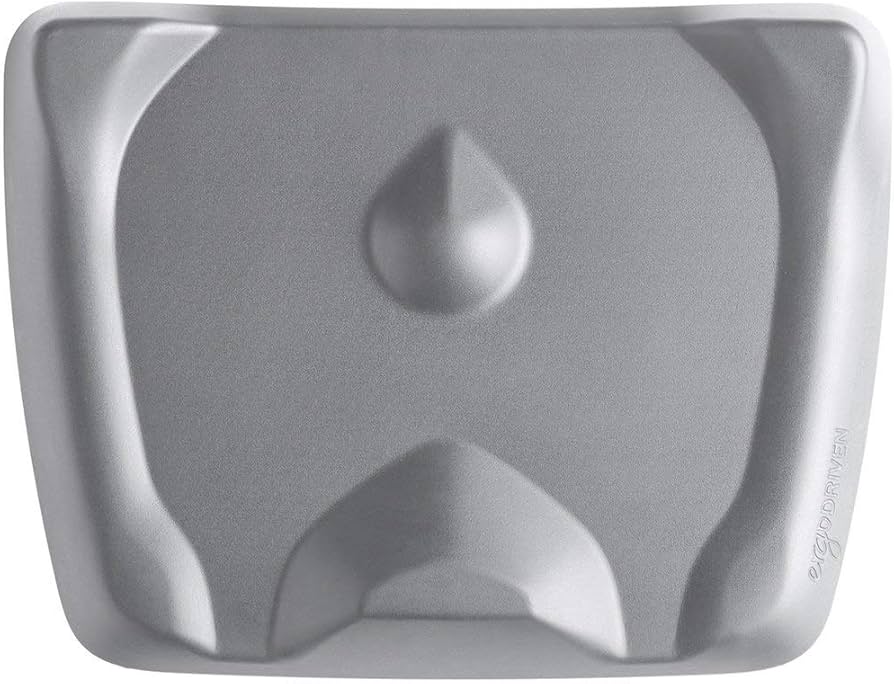
The Topo Mini wins by ingeniously packing its signature, movement-inducing terrain into a footprint that respects your limited floor space, unlike any flat mat.
Finding the right standing desk setup is a challenge, but it becomes exponentially harder in a compact apartment or a crowded office cube. You need gear that performs without demanding a large footprint. This is especially true when searching for the best small anti fatigue mat for tight spaces. A bulky mat can be a tripping hazard and an eyesore, defeating the purpose of a minimalist, high-tech workspace. Our 2026 guide focuses exclusively on mats that deliver ergonomic support without compromising your valuable floor real estate.
Comparison Chart
| Product | Dimensions | Surface Type | Best For |
|---|---|---|---|
| Topo Mini by Ergodriven | 25.2″ x 19.2″ | Contoured / Dynamic | Active Standing |
| ProxiMat Space Traveler Theo | 23″ x 19″ | Flat | Ultimate Compactness |
| Topo Mini Comfort Mat | 25.2″ x 19.2″ | Contoured / Dynamic | Cushioned Movement |
| Zulay Home Large 20 x 39″ | 39″ x 20″ | Flat | Long, Narrow Spaces |
| Topo Comfort (Full Size) | 29″ x 26.2″ | Contoured / Dynamic | Unrestricted Spaces |
Detailed Product Reviews 2026
1. Topo Mini by Ergodriven
Pros
- Patented terrain encourages healthy movement
- Compact footprint ideal for tight spaces
- Durable high-density polyurethane construction
Cons
- Premium price point
- Contoured surface isn’t for those who prefer a flat mat
The Breakdown: The Topo Mini isn’t just a cushion; it’s an ergonomic tool designed for active standing. Its varied terrain cues your body to shift and adjust, which market research indicates can reduce discomfort and fatigue more effectively than static standing. The design brilliantly scales down the benefits of its larger sibling to fit under small desks or in narrow cubicles.
Key Specs:
- Dimensions: 25.2″ L x 19.2″ W x 2.7″ H
- Surface Type: Contoured / Dynamic Terrain
- Material: 100% High-Density Polyurethane Foam
- Weight: 4.5 lbs
The Community Verdict: Owners consistently report a significant reduction in back and foot pain compared to flat mats or standing on the floor. The consensus is that the compact size is a major plus, fitting perfectly in spaces where the full-size Topo would be impossible. Some users mention a brief adjustment period to get used to the terrain, but most consider it a worthwhile investment for long-term comfort.
Dealbreaker: Skip this if you are on a strict budget or have a strong preference for a completely flat, unobtrusive standing surface.
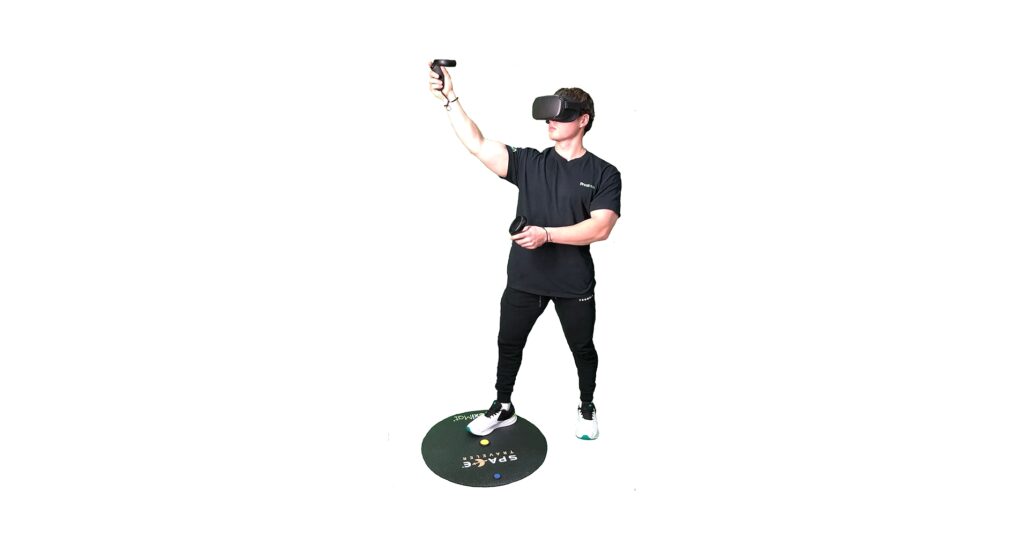
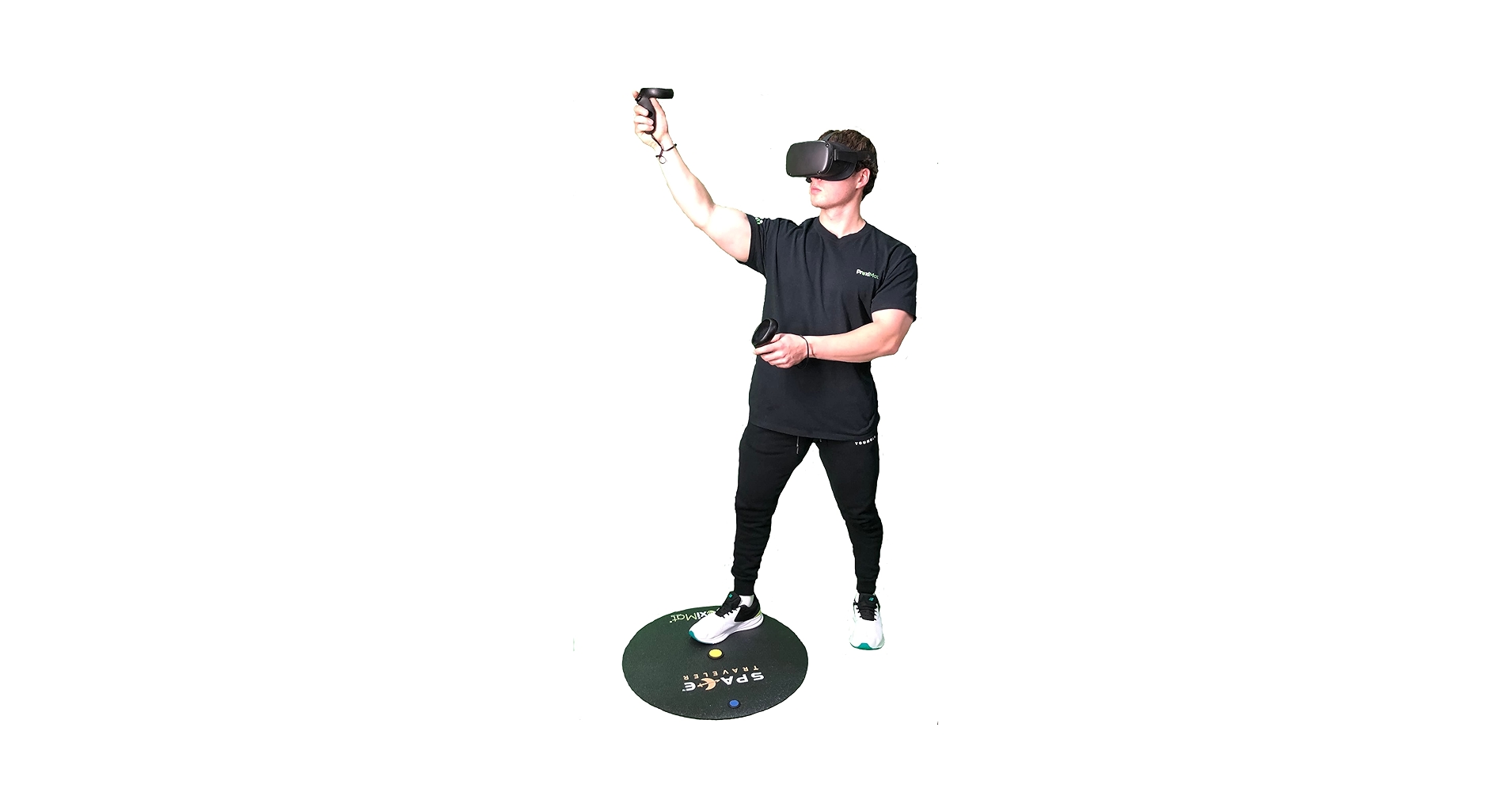
2. ProxiMat ® Space Traveler Theo 23″ Small Room
Pros
- Extremely compact 23-inch design
- Firm, supportive high-density core
Cons
- Lacks any dynamic features for movement
- Basic flat design may not be engaging for long periods
The Breakdown: The ProxiMat Theo is the definition of purpose-built design. It was created specifically for users with severely limited floor space, providing essential cushioning without an inch of wasted material. This mat is all about function-over-form, delivering a solid, supportive foundation for standing. It’s the no-frills, high-performance option for the true minimalist.
Key Specs:
- Dimensions: 23″ L x 19″ W x 0.75″ H
- Surface Type: Flat
- Material: High-Density Foam Core
- Weight: 3.5 lbs
The Community Verdict: Users praise the Theo for its perfect size, often citing how it fits into spaces no other mat could. The firmness is a frequently mentioned positive, providing support without the ‘sinking’ feeling of cheaper foam mats. The primary criticism is its simplicity; those accustomed to more dynamic mats find it a bit static for all-day use.
Dealbreaker: Skip this if you get fidgety while standing and need varied surfaces to keep your feet engaged.
3. Topo Mini Comfort Mat by Ergodriven
Pros
- Same great compact, dynamic design
- User-reported softer feel for immediate comfort
Cons
- Difference from the standard Topo Mini can be subtle
- May be slightly less supportive for heavier individuals
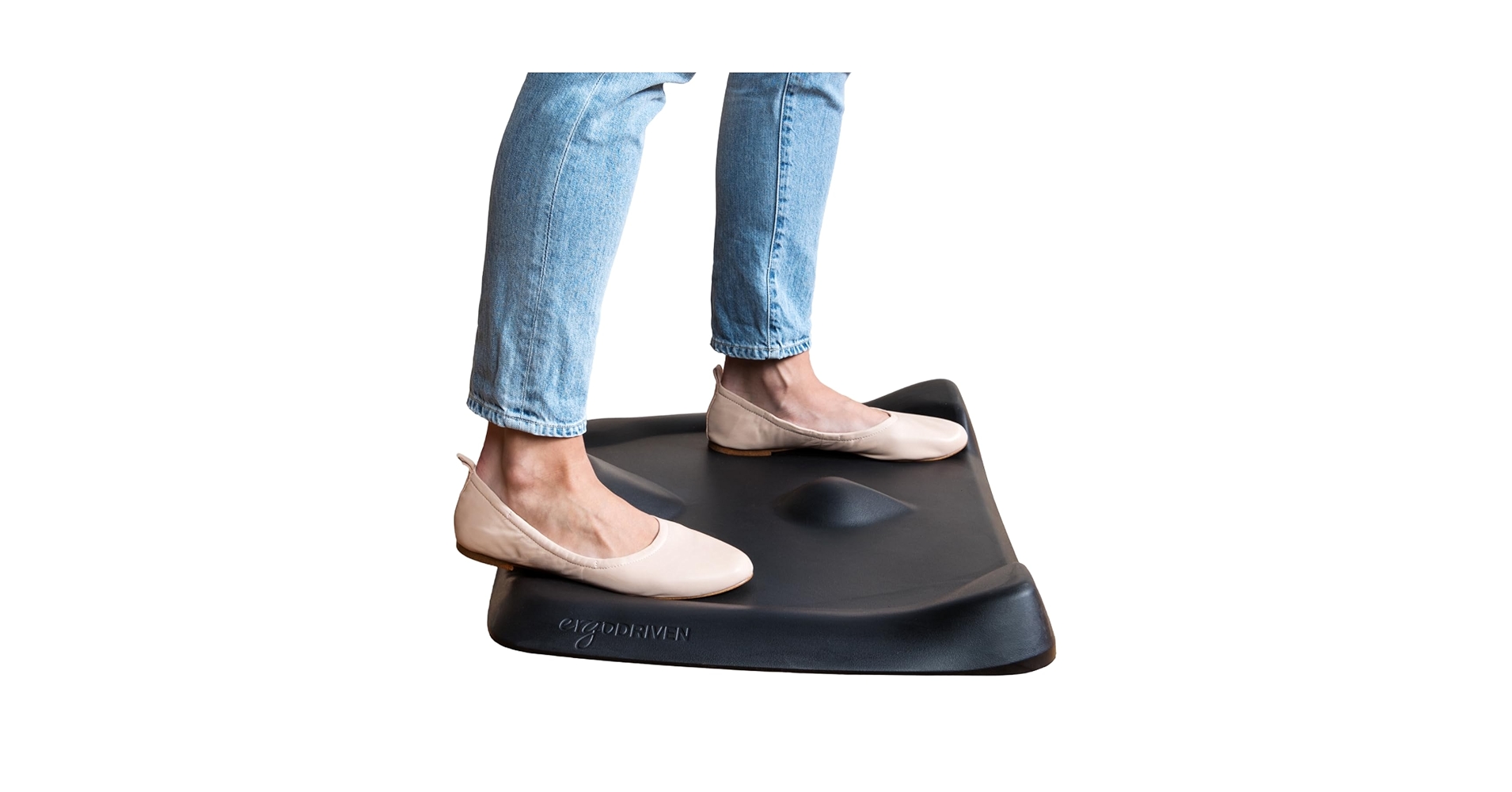
The Breakdown: This mat addresses the small segment of users who found the original Topo Mini to be on the firmer side. Market research indicates this ‘Comfort’ version uses a formulation of polyurethane that provides a bit more give, ideal for barefoot use or for individuals who prefer a plusher standing experience. It retains all the compact dimensions and movement-driving contours of the original, simply tweaking the material feel.
Key Specs:
- Dimensions: 25.2″ L x 19.2″ W x 2.7″ H
- Surface Type: Contoured / Dynamic Terrain
- Material: Softer-Density Polyurethane Foam
- Weight: 4.5 lbs
The Community Verdict: The consensus among owners who have tried both is that this version does indeed feel slightly softer underfoot. It’s often recommended for home office users who stand without shoes. The essential dynamic benefits and compact size are still the main points of praise.
Dealbreaker: Skip this if you are a heavier individual or prefer maximum firmness and support over a cushioned feel; the original Topo Mini may be a better fit.
4. Zulay Home Large 20 x 39 Inch Anti Fatigue Mat
Pros
- Generous length allows for pacing
- Narrow 20-inch width fits tight walkways
Cons
- Too long for small, squarish office spaces
- A budget option that may lack the density of premium mats
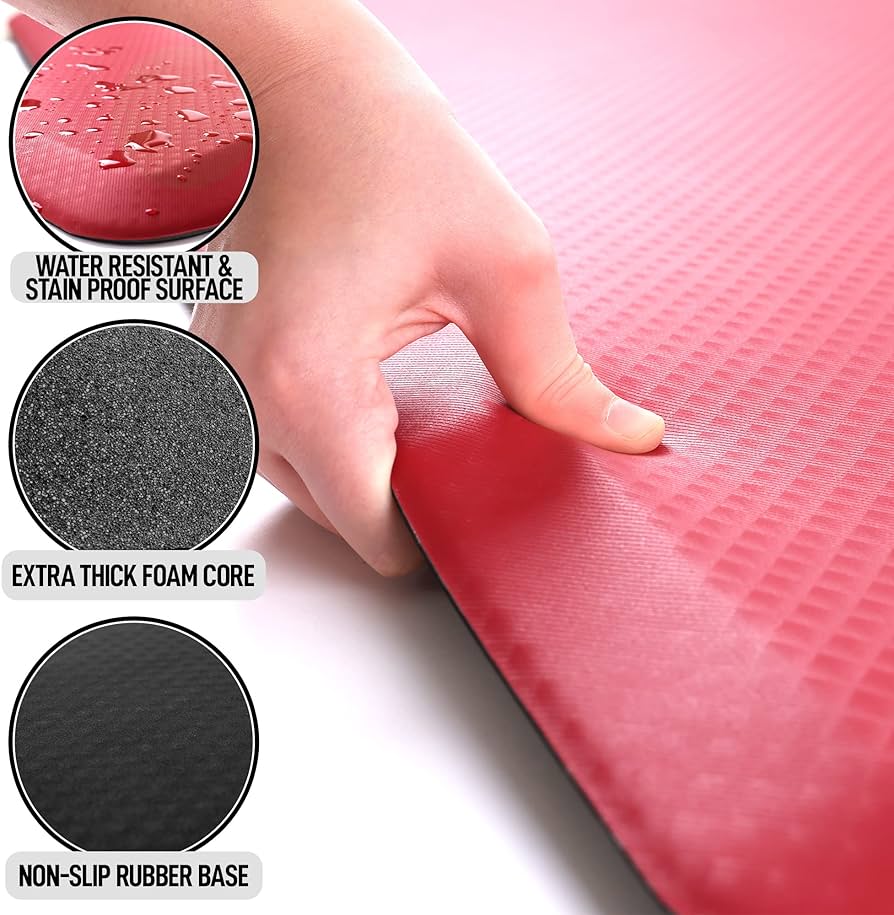
The Breakdown: The Zulay mat is an interesting solution for a very specific type of ‘tight space.’ While its 39-inch length disqualifies it for small cubicles, its 20-inch width is perfect for areas where depth is limited but length is not. It provides a comfortable, flat runway for those who tend to pace back and forth while working or thinking. It’s a solid, budget-friendly choice for unconventional desk layouts.
Key Specs:
- Dimensions: 39″ L x 20″ W x 0.75″ H
- Surface Type: Flat
- Material: PVC / Foam Composite
- Weight: 5.2 lbs
The Community Verdict: Users often buy this for kitchens but have found it works well for long, narrow desk setups. The cushioning is generally considered good for the price point. The most common negative feedback comes from users who misjudged the length and found it too cumbersome for a standard desk area.
Dealbreaker: Skip this if your tight space is constrained by length; this mat will absolutely not fit under a compact desk.
5. Topo Comfort Standing Desk Mat by Ergodriven (Full Size)
Pros
- The original, celebrated dynamic terrain
- Ample space for wide stances and movement
Cons
- Is not a small anti fatigue mat
- Large footprint requires significant floor space
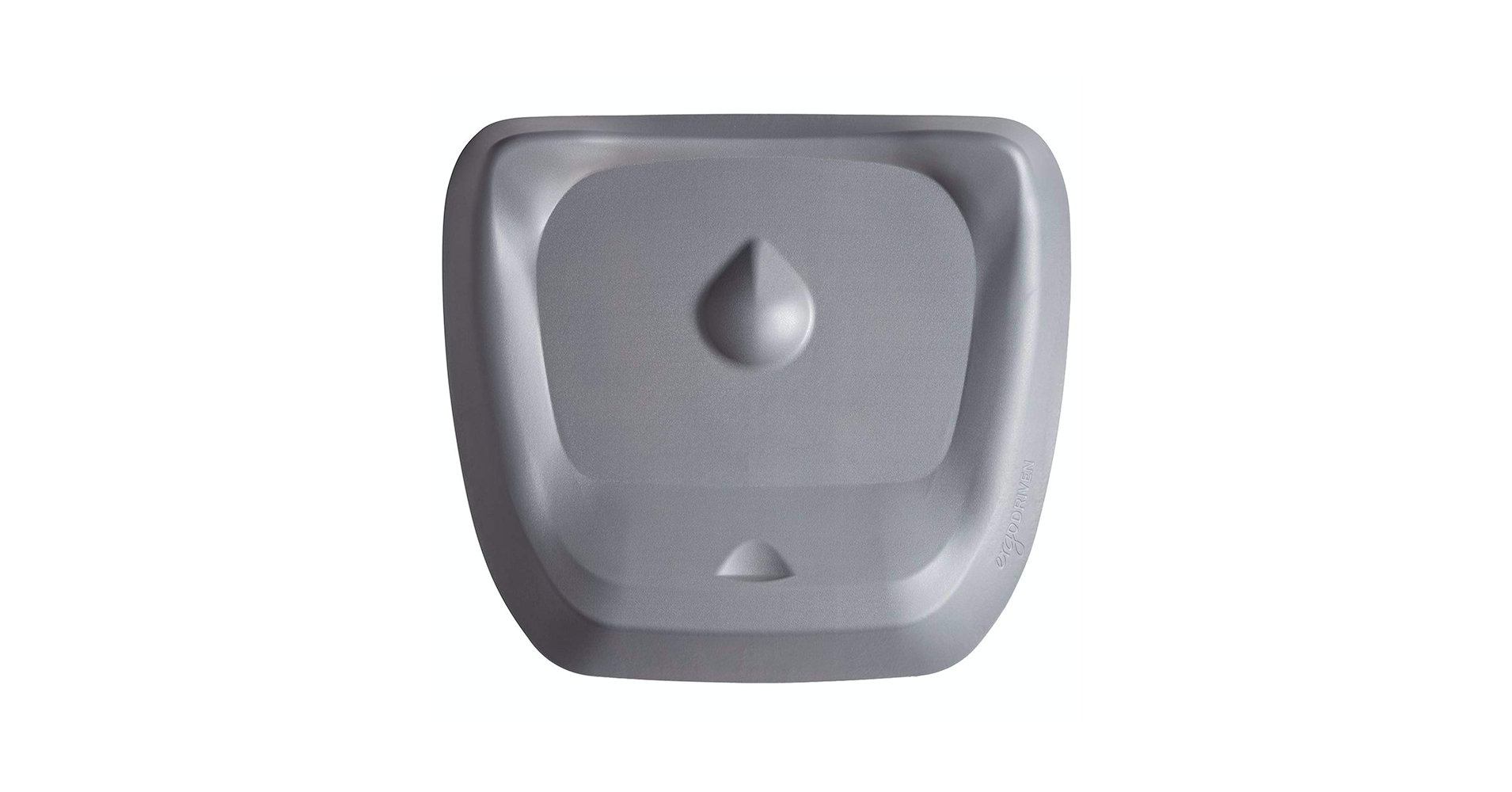
The Breakdown: We’ve included the original, full-size Topo as a benchmark. This is the mat that started the dynamic standing revolution, and it remains a category leader for those with enough room. Before you commit to a smaller mat, it’s worth measuring your space one last time to see if you can accommodate the gold standard. Its larger size provides more room to roam and more varied terrain features.
Key Specs:
- Dimensions: 29″ L x 26.25″ W x 2.9″ H
- Surface Type: Contoured / Dynamic Terrain
- Material: 100% High-Density Polyurethane Foam
- Weight: 8 lbs
The Community Verdict: The reviews are overwhelmingly positive, with users crediting this mat with making full-time standing possible. The only consistent complaint is its size. Many owners explicitly warn potential buyers to measure their under-desk area carefully.
Dealbreaker: Skip this if you are, in fact, actually looking for a small anti fatigue mat for tight spaces. This is not it.
Buying Guide: Choosing the Right Small Mat
Selecting the right mat for a tight space goes beyond just finding the smallest one. Consider these critical factors to ensure you get comfort, not just a compact size.
1. Measure Twice: Dimensions Are Everything
This is the most crucial step. Don’t just eyeball it. Measure the width and depth of the floor space where you stand. Remember to account for chair legs, file cabinets, and the swing of any doors. A mat that’s technically ‘small’ but still too big for your specific spot is useless.
2. Flat vs. Dynamic Surface
Your standing style matters. If you prefer a simple, stable surface, a high-quality flat mat like the ProxiMat is perfect. If you find yourself shifting, fidgeting, or getting stiff, a dynamic mat like the Topo Mini is a superior choice as it encourages subconscious micro-movements that keep you comfortable longer. This is a core part of an ergonomic setup, just as crucial as a good posture corrector for desk workers.
3. Material and Density
Not all foam is created equal. Look for high-density polyurethane foam. It provides the best balance of comfort and support, preventing that ‘bottoming out’ feeling where you sink straight to the hard floor. While a softer mat might feel good initially, a firmer, more supportive material will serve you better over long standing sessions. To complete your comfort setup, consider pairing your mat with an under desk hammock for feet for when you decide to take sitting breaks.
Frequently Asked Questions
Are anti-fatigue mats worth it for small spaces?
Absolutely. The benefits of reducing strain on your feet, knees, and back are independent of space size. A compact mat provides the same core ergonomic advantages, making standing for longer periods far more comfortable and sustainable.
How thick should a small anti-fatigue mat be?
Look for a mat that is at least 3/4-inch thick. This thickness is generally the minimum required to provide meaningful cushioning and support. Mats like the Topo Mini are thicker in areas due to their terrain, which adds to the benefit.
Can I use an office chair with my anti-fatigue mat?
It’s generally not recommended. Rolling a chair onto a foam mat can damage the material, and the soft surface can make the chair unstable. It’s best to slide the mat out of the way when you need to use your chair.